




Zanzibar forms part of the semi-autonomous island group off the coast of Tanzania in the Indian Ocean. The main island, Unguja, covers about 1,660 square kilometers and holds the historic port city of Stone Town. This old quarter carries recognition as a UNESCO World Heritage Site for its preserved Swahili urban fabric shaped by Arab, Persian, Indian, and African influences.
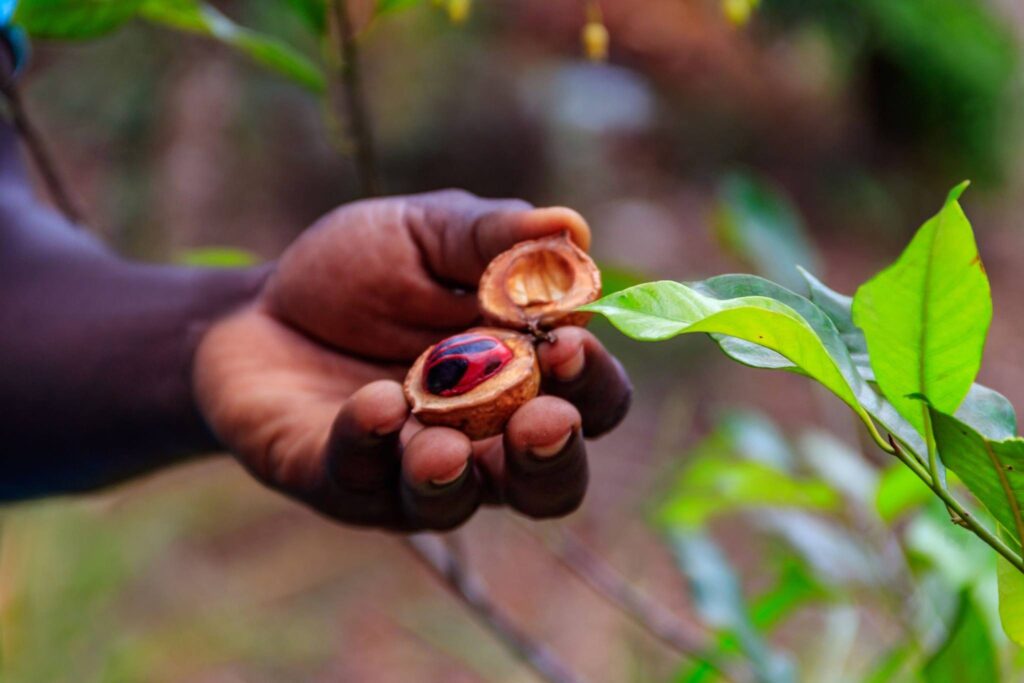
Zanzibar developed through Indian Ocean trade and later gained a reputation for cloves and other spices. Visitors encounter narrow streets, mosques, carved doors, and busy markets. The island pairs easily with mainland wildlife areas, offering coastal air and slower days after time spent in national parks.
Zanzibar developed as an important trading center along the East African coast. Merchants from Arabia, Persia, and India reached the islands centuries ago through Indian Ocean trade networks.
During the nineteenth century the Sultanate of Oman moved its capital to Stone Town, strengthening commerce in cloves and other goods. Trade routes also carried enslaved people through the port. Later British administration reshaped governance until independence and union with Tanzania.
Life in Zanzibar reflects a long exchange between African coastal communities and traders from the wider Indian Ocean world. Swahili traditions remain visible in architecture, language, and daily customs. Islam influences social life, festivals, and dress in many towns. Markets sell spices, fish, and tropical fruit while wooden dhows still appear along the shoreline. Music, poetry, and storytelling remain central parts of community gatherings and cultural celebrations.
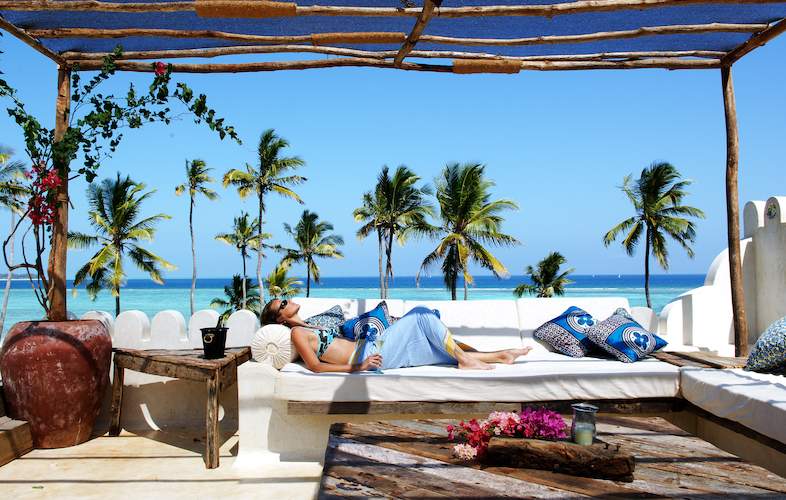
The coast of Unguja holds long coral sand beaches facing clear Indian Ocean water. Conditions differ around the island.
Northern beaches such as Nungwi experience weaker tides, allowing swimming through most of the day. Eastern shores including Paje and Jambiani follow stronger tidal patterns that reveal wide sand flats at low tide. Many beaches remain quiet outside major resort areas.
Travelers often visit Zanzibar after exploring wildlife areas of mainland Tanzania.
Flights connect the islands with parks such as Serengeti National Park and Ngorongoro Conservation Area through regional airports.
The shift from open savannah to ocean coastline offers a change of pace. Beach days allow time to rest, swim, or walk through coastal villages while reflecting on earlier wildlife experiences.
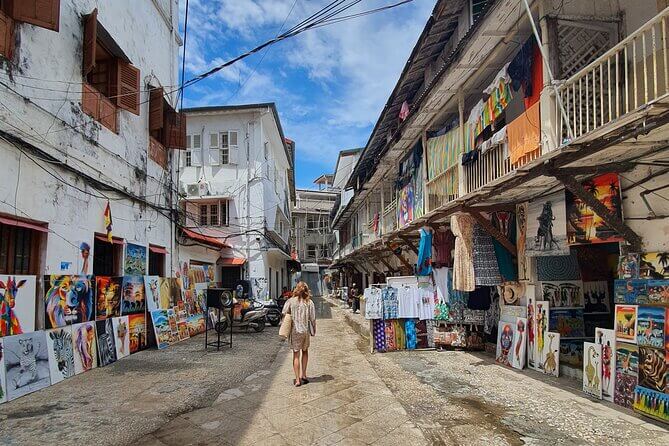
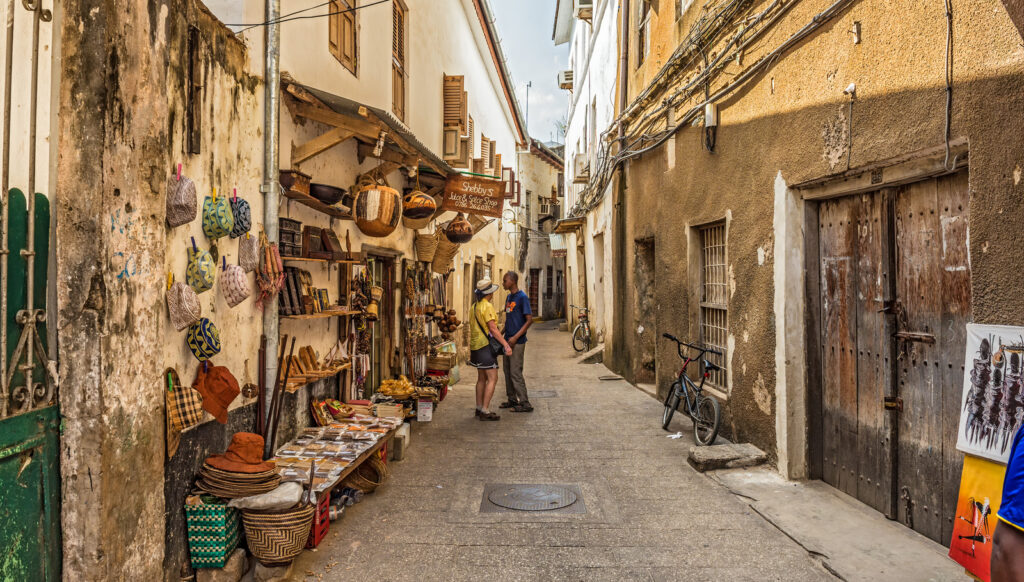
Stone Town stands as the cultural and historical center of Zanzibar. The district developed from centuries of Indian Ocean trade and still contains coral stone buildings, carved wooden doors, mosques, and small markets.
Streets remain narrow and lively with local shops and cafés. Sites linked to the island’s past include former trading houses, the Old Fort, and the waterfront near Forodhani Gardens.
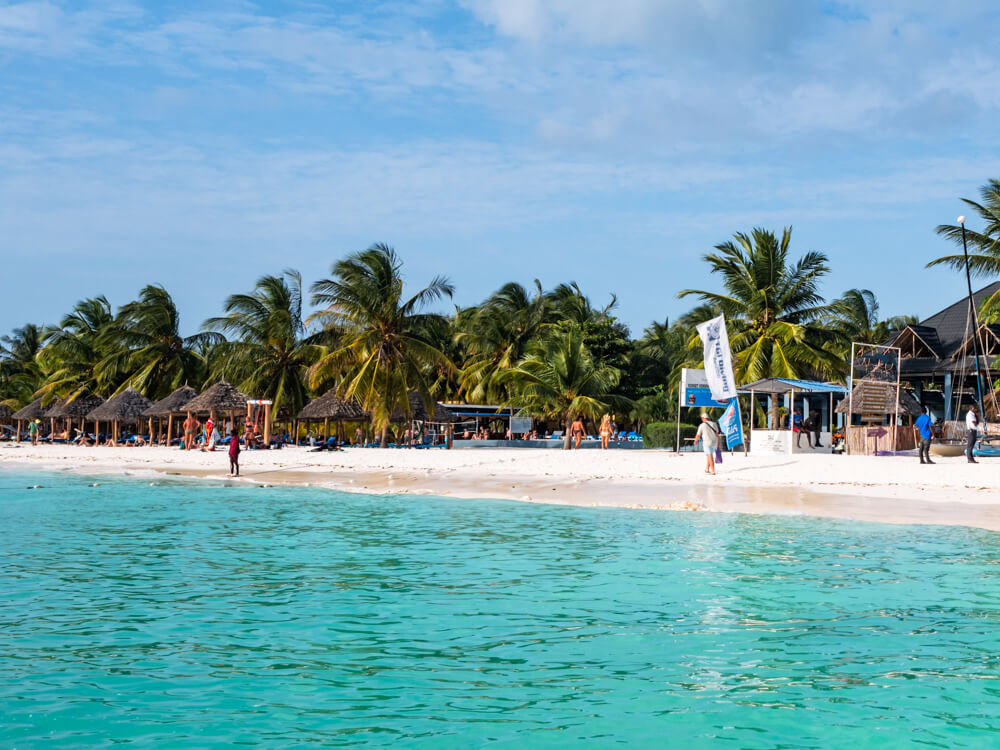
Nungwi sits at the northern tip of the island where tides affect swimming less than on the east coast. Fishing and dhow building continue in the village, while hotels line the surrounding beaches.
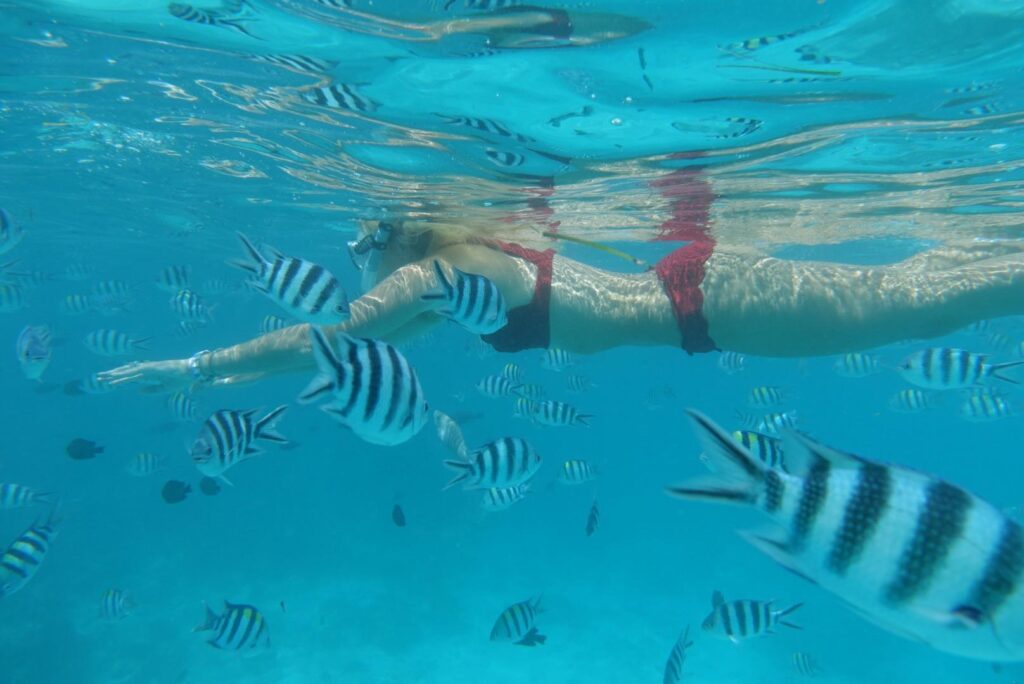
The area draws visitors for clear water and sunsets over the Indian Ocean. Nearby coral reefs support snorkeling and small boat excursions along the coast.
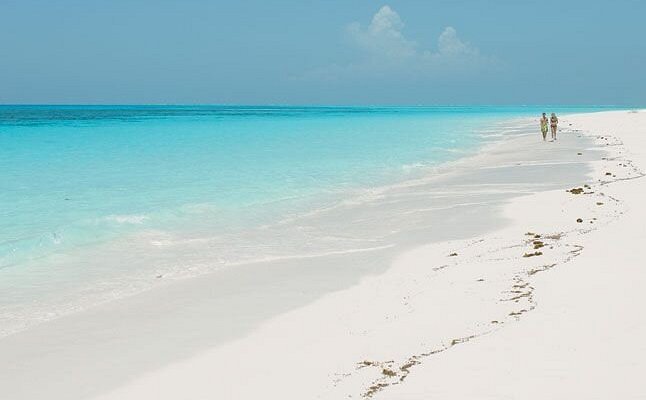
Kendwa lies a short distance south of Nungwi and shares the same northern coastline. The beach forms a wide stretch of pale sand with calm water suitable for swimming during most tides. Resorts here tend to remain smaller and spaced apart.
Evenings often bring quiet gatherings on the beach as fishing boats move slowly along the horizon.
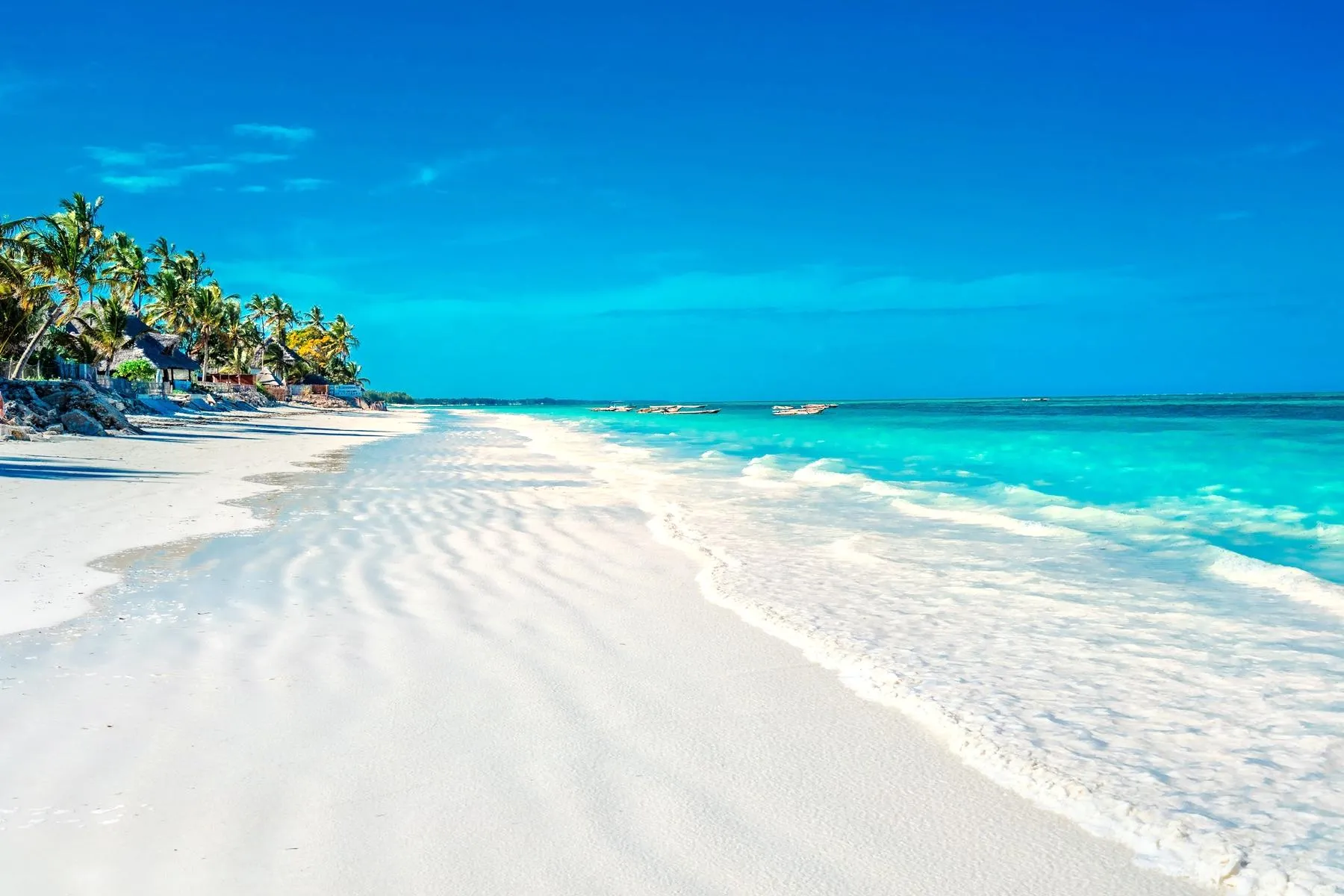
Paje sits on the southeastern coast where tides reveal broad sand flats and shallow turquoise water. The village attracts travelers interested in kitesurfing due to steady ocean winds.
Coconut palms and low coral cliffs frame the shoreline. Local life continues around small guesthouses, cafés, and fishing boats that anchor along the beach.
Jambiani stretches along the southeast coast in a long fishing settlement facing the Indian Ocean. Seaweed farming forms part of the local economy and appears clearly during low tide.
Coral rag houses line the village paths while small cafés and lodges stand near the beach. Walks along the shore reveal daily fishing activity and changing tidal patterns.
Matemwe sits on the northeast coast opposite Mnemba Island. The area remains quieter than many beach centers and includes several small lodges set along coral sand shores. Fishing boats leave early in the morning while the reef attracts snorkel and dive excursions. Tides expose long sand flats that stretch far from the shoreline.
Jozani Chwaka Bay National Park protects the largest remaining forest on Unguja. The reserve holds populations of the endemic Zanzibar red colobus monkey along with mangrove swamps and coastal woodland.
Walking trails pass through dense vegetation where guides explain local plant species and conservation work. Boardwalk paths cross the mangrove areas close to tidal creeks.
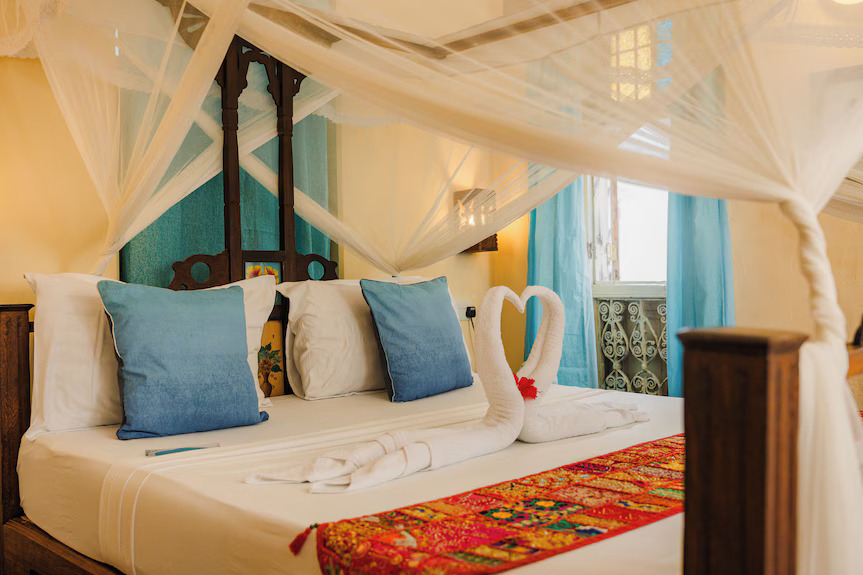
Luxury resorts offer spacious villas or suites, private beach access, spa services, and full-service dining. These properties focus on privacy and quiet surroundings while providing access to the Indian Ocean shoreline.
Mid-range hotels include beachfront properties with private rooms, restaurants, and swimming pools. Many operate along the island’s eastern and northern coasts where long beaches and coral reefs attract visitors.
Budget guesthouses in Zanzibar provide simple rooms often located in coastal villages or historic areas such as Stone Town. Facilities remain basic but convenient for travellers exploring beaches and cultural sites.