
Spice Farm Tour
Tour Overview
A Spice Farm Tour in Zanzibar is not about rushing from one plant to another or memorizing names you’ll forget by the end of the day. It’s about slowing down and understanding why this island smells the way it does, tastes the way it does, and carries the nickname “The Spice Island” with such confidence.
Long before Zanzibar became known for beaches and resorts, spices shaped its identity, economy, and connection to the wider world. A walk through a spice farm reveals how deeply everyday life here is tied to the land. You touch leaves, break open pods, taste fruit straight from the tree, and suddenly the spices on your dinner table feel alive again.
This experience matters because it connects Zanzibar’s past to its present in a way that feels personal. It’s hands-on, sensory, and grounded in real livelihoods. You leave not just knowing what cloves or nutmeg look like, but understanding why they still matter here.
What a Spice Farm Tour Is Really About
At its core, a Spice Farm Tour is about connection to soil, seasons, and people who work the land. Zanzibar’s spice farms are small-scale and family-run, not industrial plantations. They grow spices alongside fruit, medicinal plants, and staple crops, creating farms that feel more like living gardens than commercial operations.
The tour is guided by locals who grew up around these plants. They don’t recite rehearsed scripts. They show you how to recognize a clove tree by its scent, how cinnamon bark is peeled by hand, and how spices are used not just for cooking, but for medicine, cosmetics, and daily rituals.
What makes this experience unique in Zanzibar is its intimacy. Unlike spice tours elsewhere in the world that feel like demonstrations, here you are encouraged to touch, smell, taste, and ask questions. The experience is informal and interactive, shaped by curiosity rather than schedules.
Where the Spice Farms Are Located
Most spice farms are found in the central and western parts of Unguja Island, away from the beaches and coastal towns. These fertile inland areas receive more rainfall and have richer soil, making them ideal for growing spices and tropical fruit.
From Stone Town, the drive usually takes about 30 to 45 minutes. Along the way, the scenery changes noticeably. You pass local villages, small farms, and roadside stalls selling fresh produce. This journey offers a glimpse into rural Zanzibar, far removed from resort life.
The farms themselves are quiet and green. Paths wind through shaded areas where sunlight filters through broad leaves. Birds call from the trees, and the air feels cooler and earthier than along the coast. It’s a calm, grounding environment that contrasts beautifully with the bustle of Stone Town.
The History Behind Zanzibar’s Spice Trade
Zanzibar’s relationship with spices began centuries ago through Indian Ocean trade routes. Arab and Persian traders introduced cloves, nutmeg, cinnamon, and black pepper, recognizing the island’s ideal growing conditions.
Cloves, in particular, transformed Zanzibar’s economy. By the 19th century, the island became one of the world’s leading clove producers. This wealth reshaped society, architecture, and politics, but it also came at a human cost, as plantation labor was closely tied to the history of enslavement.
Today, spices remain culturally significant, even if they are no longer the economic force they once were. Spice farming supports rural families and preserves agricultural knowledge passed down through generations. Visiting these farms helps sustain that tradition and keeps the story alive.
Getting to a Spice Farm
Traveling from Stone Town
Most Spice Farm Tours begin in Stone Town, with transportation included. The drive is straightforward and scenic, offering a look at everyday life beyond tourist areas.
Coming from Beach Resorts
If you’re staying on the east or north coast, the journey takes longer usually between one and one-and-a-half hours. Many travelers combine the spice tour with Stone Town on the same day to make the most of the drive.
What to Expect on the Road
Road conditions are generally good, though traffic can be slow near towns. The journey is part of the experience, revealing how people live away from the coast and how agriculture fits into island life.
What Happens During a Spice Farm Tour
A Spice Farm Tour usually lasts two to three hours, not including travel time. Upon arrival, your guide introduces the farm and explains how it functions. From there, you walk along narrow dirt paths as the guide stops frequently to demonstrate different plants.
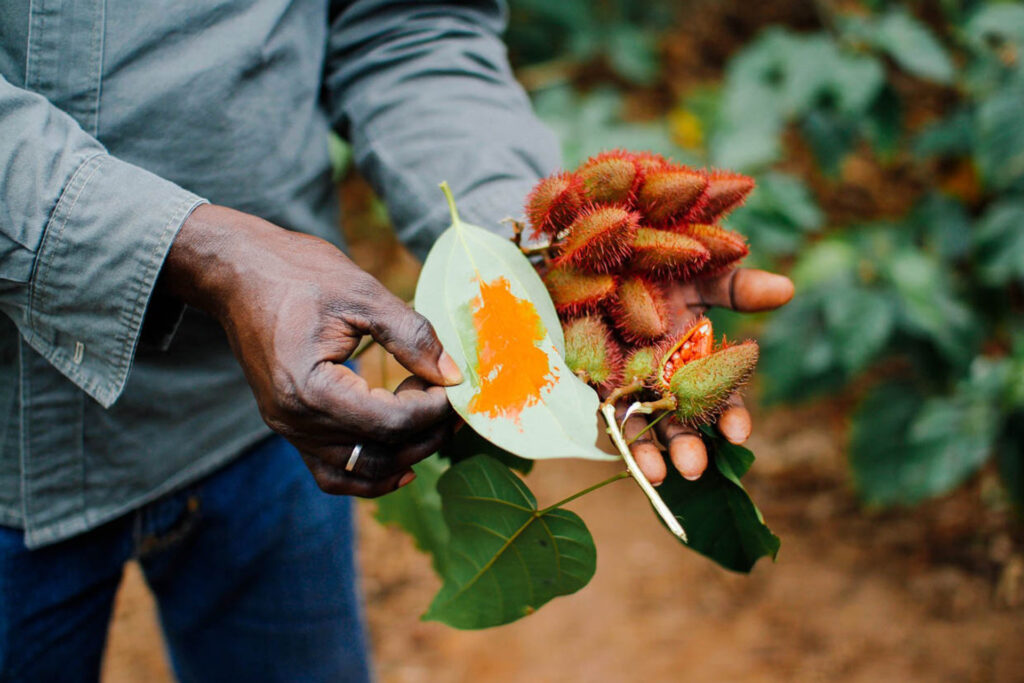
You’ll see clove trees, cinnamon bushes, nutmeg fruit split open to reveal vibrant colors, and vanilla vines climbing support trees. Guides often invite you to smell leaves, taste fruit, and guess spices before revealing their names. These moments are playful and memorable.
Many tours end with a tasting session fresh tropical fruit or spiced tea and sometimes a chance to buy locally made spice packets. There is no pressure to purchase, but buying directly supports the farmers.
The walking is easy and slow-paced. Shade is plentiful, and the experience feels more like a nature walk than a structured tour.
When a Spice Farm Tour Is Most Enjoyable
Spice farms can be visited year-round, but weather affects comfort. The dry months from June to October and January to February are the most pleasant, with less humidity and firmer ground underfoot.
During the rainy season, from March to May, farms are lush and green, but paths can be muddy. Tours still operate, though sturdy footwear becomes more important.
Morning visits are generally best. Temperatures are cooler, and guides tend to be more relaxed before the midday heat sets in. Afternoon tours are possible but can feel warmer and slower.
Who a Spice Farm Tour Is Best For
This experience suits travelers who enjoy learning through interaction rather than observation. Couples appreciate the relaxed pace and shared discovery. Families with children often find the sensory elements engaging and educational.
It’s ideal for travelers who want to understand Zanzibar beyond beaches. No special fitness level is required, making it accessible for most ages. Elderly travelers usually manage well, provided they’re comfortable walking on uneven ground.
Those expecting a polished, luxury-style attraction may be underwhelmed. This is a working environment, not a theme park and that authenticity is its strength.
What to Wear and Bring
Wear light, breathable clothing suitable for warm weather. Long sleeves and trousers are useful for sun protection and insects. Comfortable walking shoes or trainers are recommended, especially after rain.
Bring water, sunscreen, and insect repellent. A small bag is helpful, but keep it light. Cameras are welcome, though you’ll often be using your hands, so a strap is useful.
What’s Usually Included and What Isn’t
Most Spice Farm Tours include transportation, a local guide, and the farm visit itself. Tastings of fruit or spiced tea are often included.
Purchasing spices or souvenirs is optional and usually paid in cash. Tips for guides are appreciated but not mandatory. Food beyond light tastings is typically not included unless the tour is combined with a meal elsewhere.
Safety, Ethics, and Respect on the Farm
Spice farms are generally safe environments, but it’s important to follow your guide’s instructions. Some plants should not be touched or tasted without guidance.
Respect the farm as a workplace. Avoid damaging plants or wandering off paths. Buying spices directly from the farm supports local livelihoods and encourages sustainable agriculture.
Things Most Visitors Don’t Realize Until Afterward
Many travelers wish they had done the spice tour earlier in their trip. Once you understand the flavors and aromas, Zanzibar’s food makes much more sense.
Not all spice tours are the same. Smaller farms often provide more personal experiences than larger, busier ones. Asking about group size before booking can make a big difference.
The value of the tour isn’t in how many spices you see, but in how well they’re explained. A good guide turns simple plants into stories you remember long after.
How a Spice Farm Tour Fits into a Zanzibar Itinerary
A Spice Farm Tour works perfectly as a half-day activity. It pairs well with a Stone Town visit, especially for travelers short on time. Combined, the two experiences offer cultural and historical grounding before heading to the beach.
During a longer stay, the spice tour provides a refreshing break from coastal relaxation. It adds depth to your understanding of the island and balances leisure with learning.
Zanzibar’s spices are more than souvenirs. They are part of the island’s identity, carried in its food, history, and daily life. Walking through a spice farm turns that identity into something you can see, smell, and taste and that makes the experience quietly unforgettable.