Serengeti National Park
Overview
Serengeti National Park is one of the most important wildlife landscapes in Africa and a cornerstone of Tanzania safari tourism. It represents a rare example of an ecosystem that still functions on a continental scale, where wildlife movements, predator–prey relationships, and seasonal cycles continue largely uninterrupted. The Serengeti is not defined by individual attractions but by the integrity of its natural systems, which have evolved over thousands of years.
For travelers, a Serengeti National Park safari offers depth rather than spectacle alone. The experience is shaped by time spent observing animal behavior, understanding seasonal changes, and moving through landscapes that range from open plains to riverine forests. This complexity is what has made the Serengeti globally significant and why it remains one of the most respected safari destinations in the world. Jas Safari approaches the Serengeti with an emphasis on ecological understanding, careful planning, and respect for the park’s natural rhythms.
Location and Size of the Park
Serengeti National Park is located in northern Tanzania and forms the central component of the greater Serengeti Mara ecosystem, which extends north into southwestern Kenya. The park covers approximately 14,750 square kilometers, making it one of the largest protected areas in Africa. Its sheer size is essential to its ecological function, allowing large wildlife populations to move freely in response to rainfall and grazing conditions.
The park lies on a high plateau between roughly 1,100 and 1,850 meters above sea level. This elevation moderates temperatures and contributes to a climate suitable for diverse habitats. Seasonal rivers such as the Grumeti and Mara cut across the landscape, creating natural corridors that influence wildlife distribution throughout the year.
Historical and Conservation Importance
Serengeti National Park was officially established in 1951 following early scientific research that highlighted the global importance of its wildlife systems. Its protection marked a turning point in conservation history, preserving one of the last intact large-scale migration systems on Earth. In recognition of its outstanding universal value, the Serengeti was designated a UNESCO World Heritage Site.
The park’s conservation significance lies in the continuity of its ecological processes. Predator populations remain stable, migration routes are largely intact, and seasonal grazing patterns continue to shape the landscape. Conservation efforts focus on habitat protection, anti-poaching measures, and community engagement in surrounding areas. Responsible tourism plays a vital role in supporting these efforts, and Jas Safari operates with a strong commitment to conservation-oriented travel.
Attractions Found in Serengeti
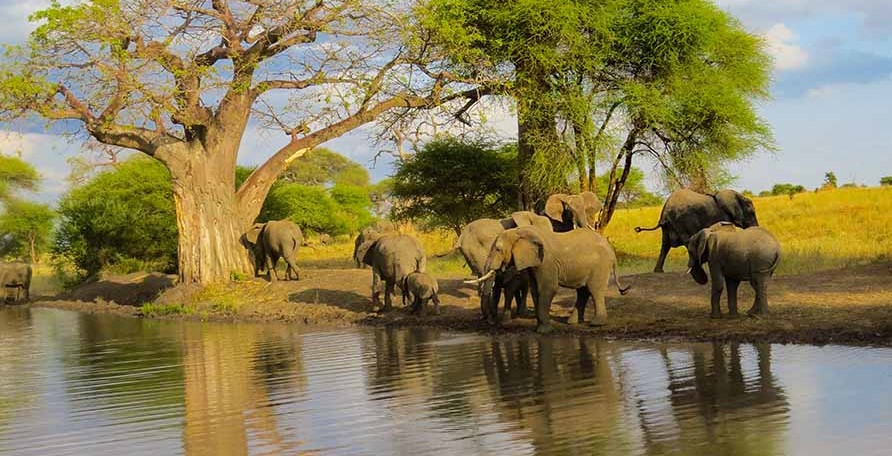
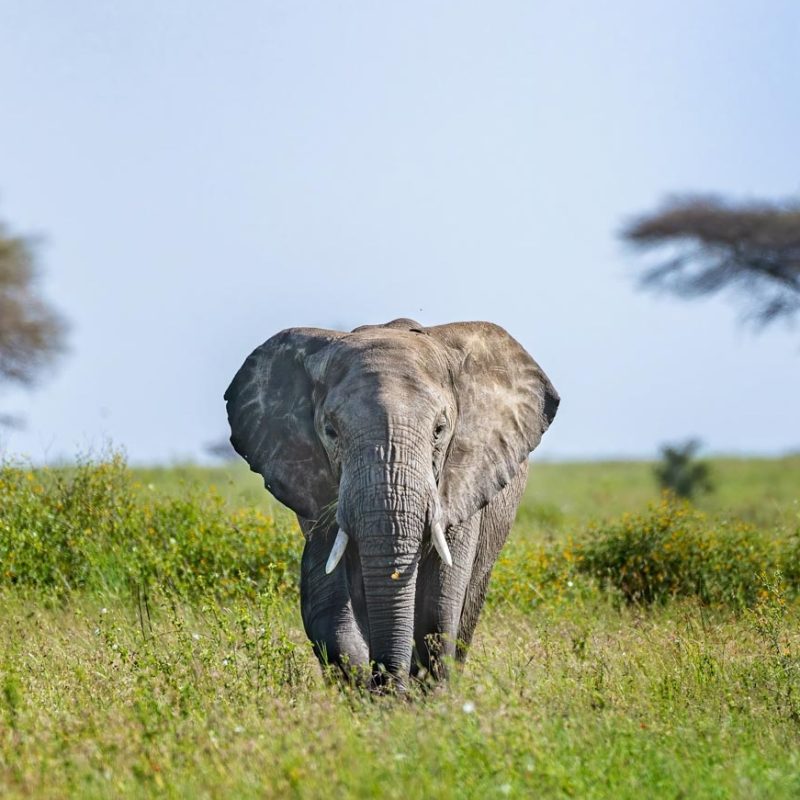
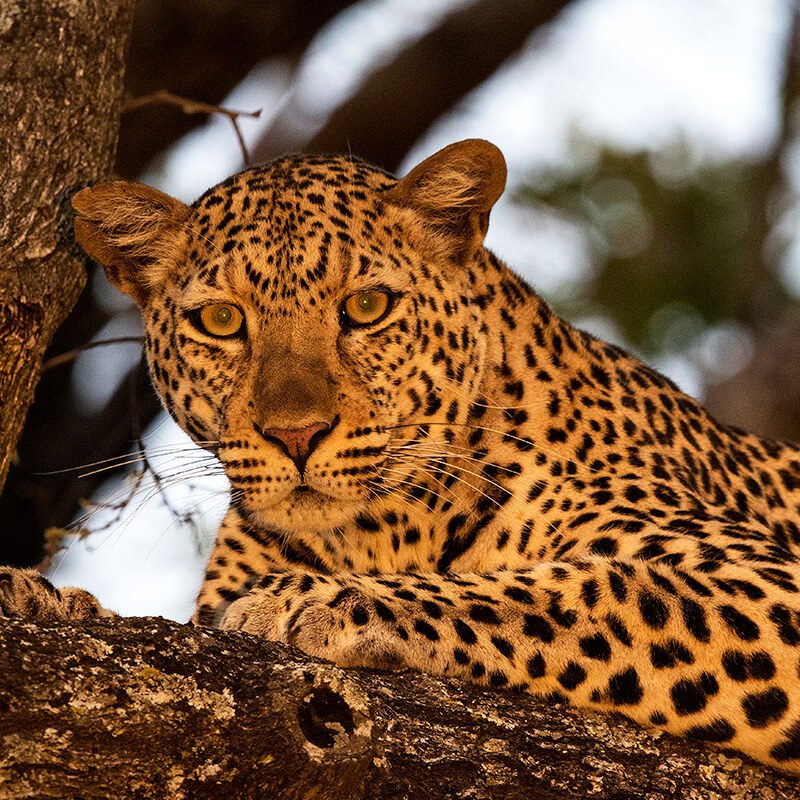
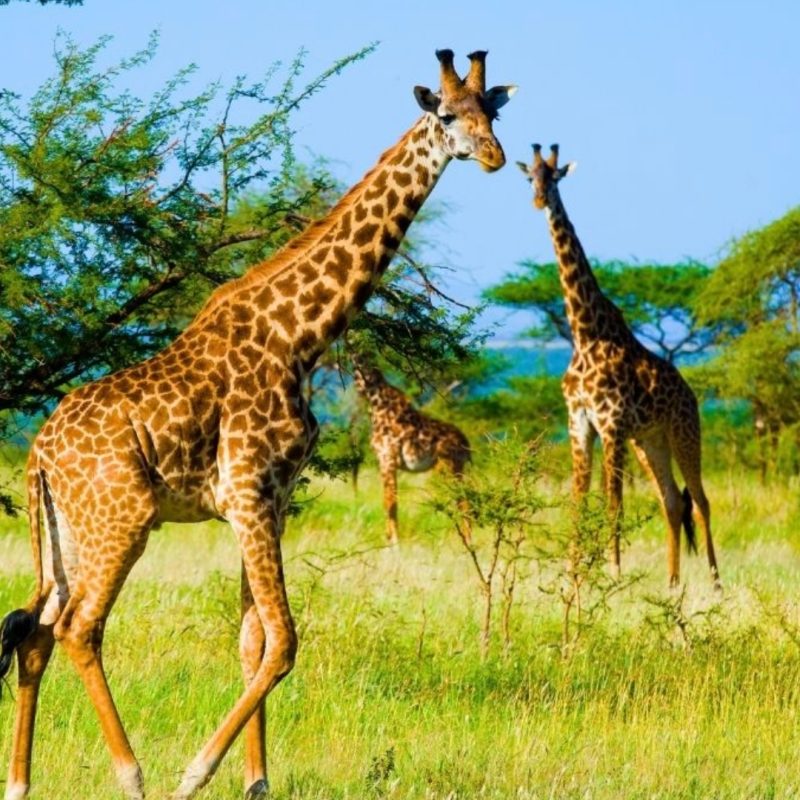
Serengeti National Park is defined by its abundance of wildlife and the scale of its landscapes. Large herbivore populations, including wildebeest and zebra, support one of Africa’s highest predator densities. Lions, leopards, cheetahs, and hyenas are regularly observed, often interacting in complex and revealing ways.
The park’s scenery is equally compelling. Endless grasslands stretch to the horizon, broken by granite kopjes that rise abruptly from the plains. River systems, seasonal wetlands, and scattered woodlands create visual and ecological diversity. These features make the Serengeti one of the most rewarding destinations for wildlife photography and ecological observation.
Best Time and Seasons to Visit Serengeti
The best time to visit Serengeti depends on travel priorities rather than a single ideal season. The dry season, from June to October, offers excellent wildlife visibility as animals concentrate around water sources. Vegetation is sparse, making predator sightings more frequent, particularly in central and northern regions.
The green season, from November to May, brings lush landscapes and fewer visitors. This period includes the calving season in the southern Serengeti, when large numbers of wildebeest give birth, attracting predators and creating intense wildlife activity. Birdlife is also at its peak during the wetter months. Jas Safari advises travelers based on seasonal conditions and individual interests.
Safari Activities in Serengeti National Park
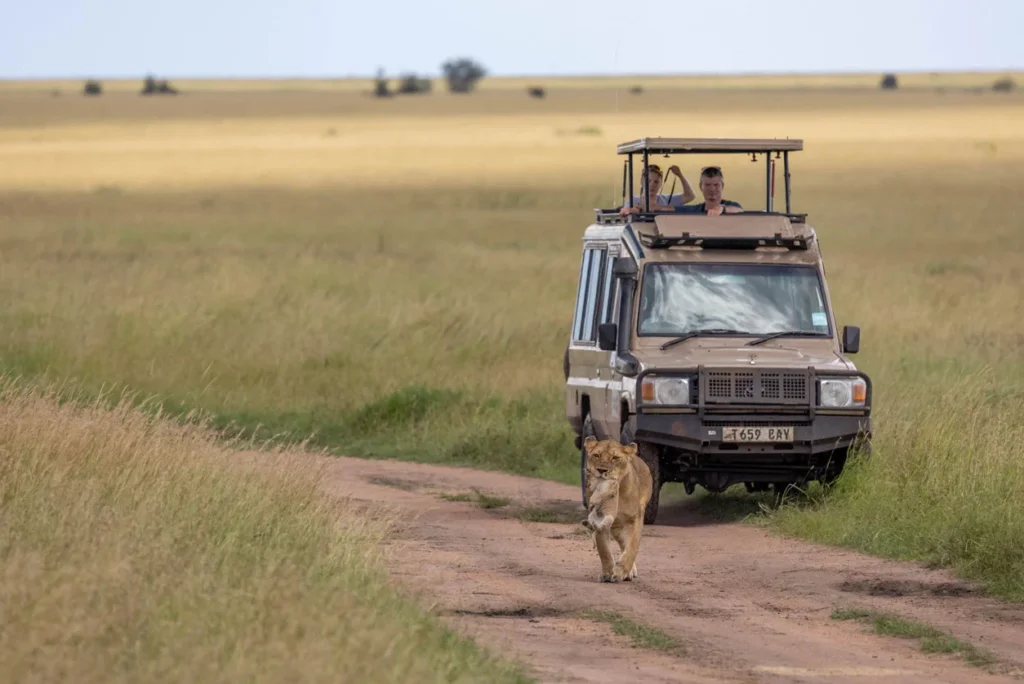
Game drives form the core of the Serengeti safari experience. Morning drives focus on predator activity, while afternoon and full-day drives allow deeper exploration of different habitats.
Skilled guides track wildlife behavior, interpret signs, and position vehicles responsibly for observation.
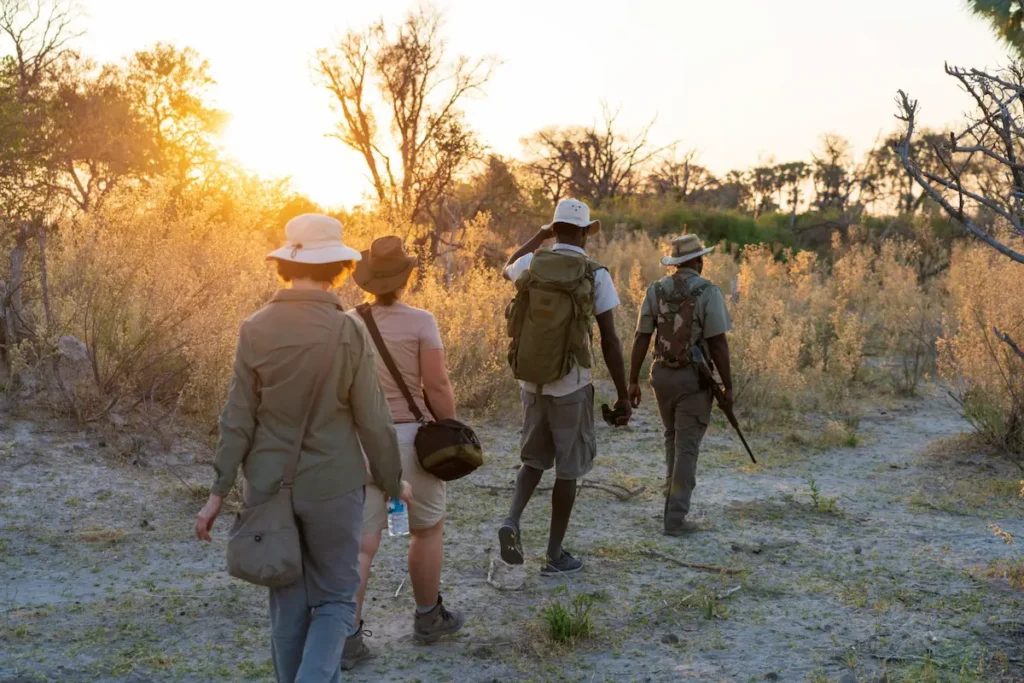
In selected areas, guided walking safaris are permitted under the supervision of armed rangers.
These walks focus on tracks, plants, insects, and the smaller details of the ecosystem, offering a grounded understanding of the environment.
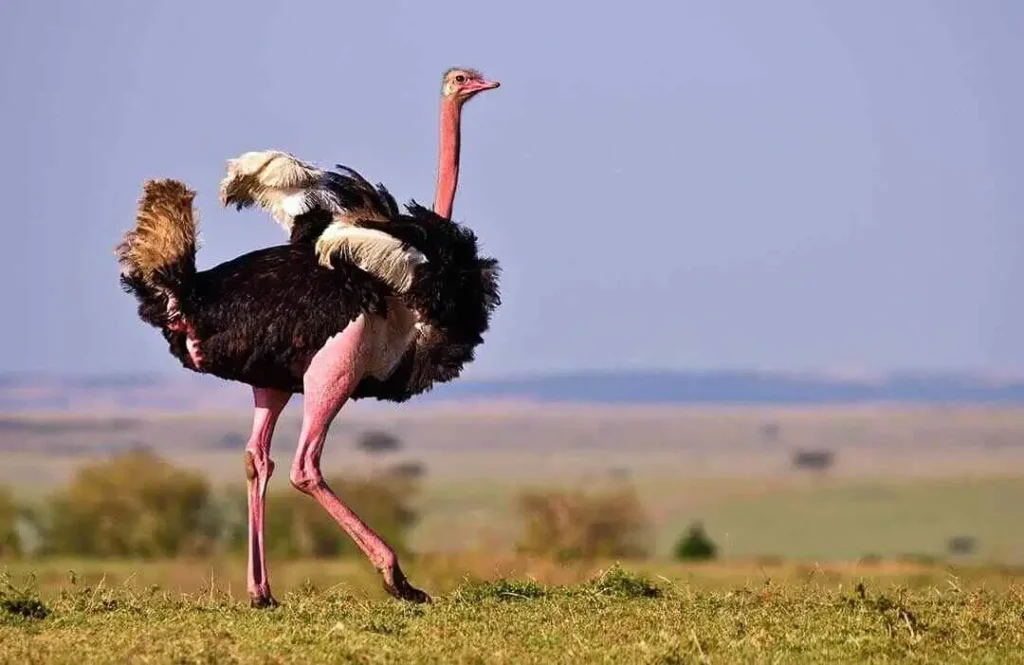
With more than 500 recorded bird species, the Serengeti is an exceptional birding destination. Resident species are present year-round, while migratory birds arrive during the wet season.
Riverine forests, wetlands, and open plains each support distinct bird communities.
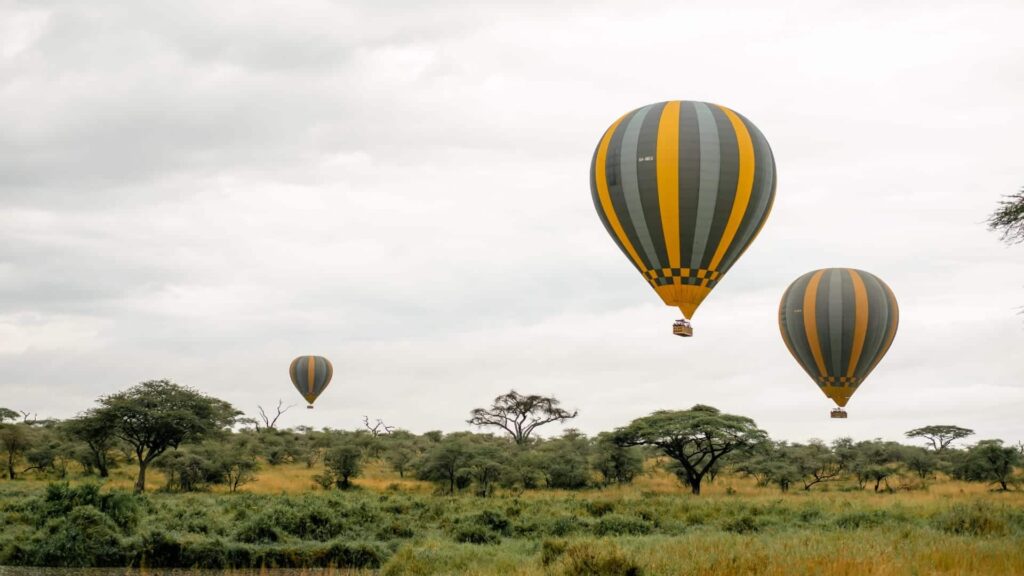
Hot air balloon safaris take place at sunrise, offering a broad perspective of the Serengeti’s landscapes and wildlife movements.
Flights are followed by a bush breakfast, adding a reflective element to the safari experience
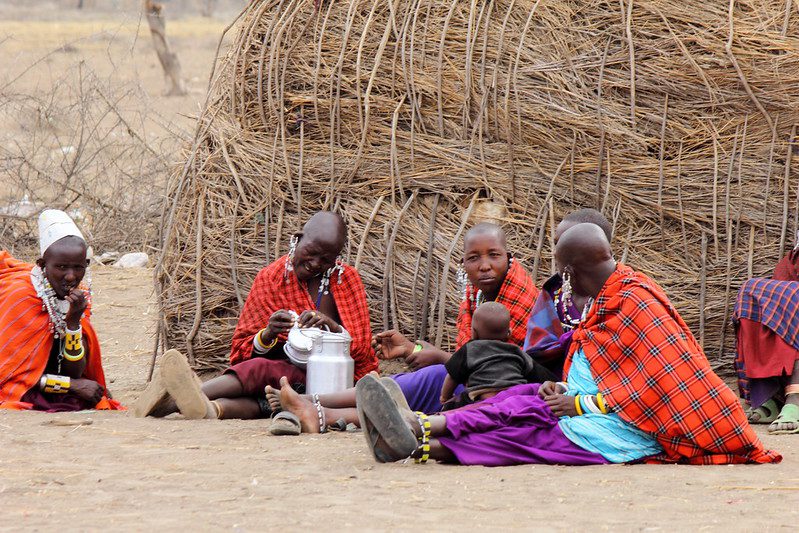
Cultural visits provide insight into Maasai traditions, pastoral lifestyles, and long-standing relationships with the land.
These interactions are conducted respectfully and focus on education rather than performance.
Accommodation in Serengeti National Park
Luxury Accommodation
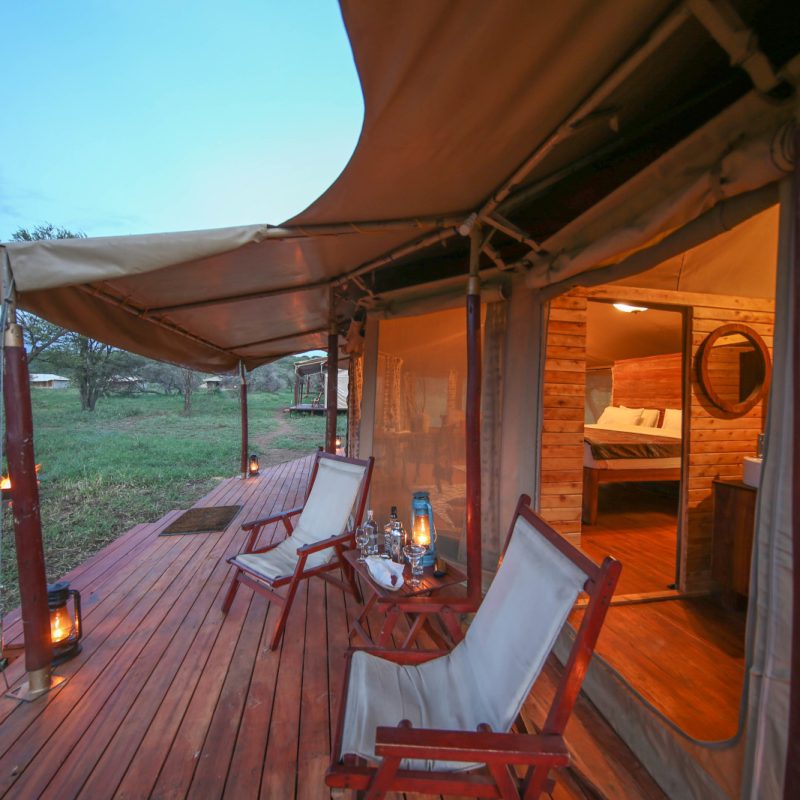
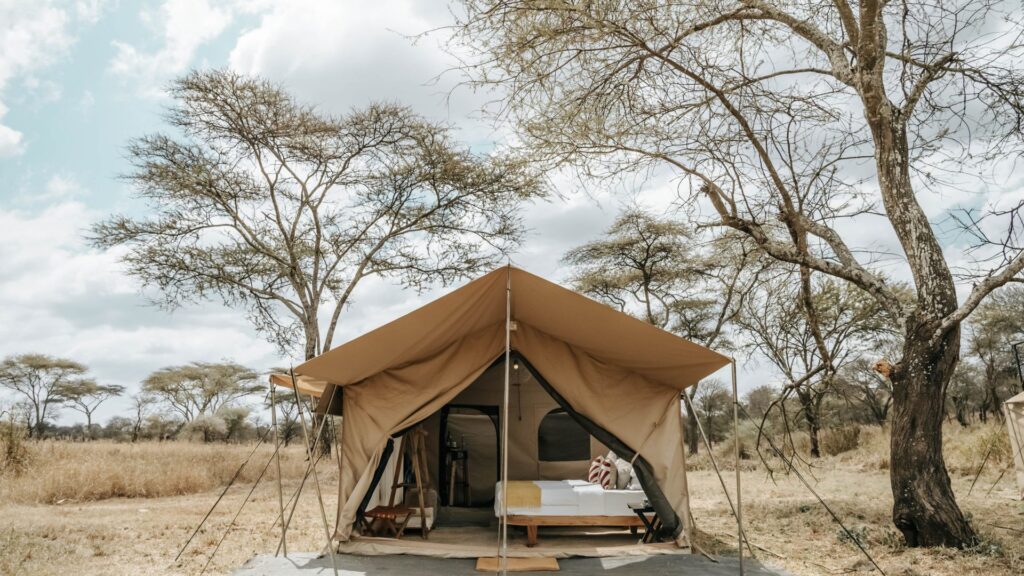
Luxury lodges and high-end tented camps emphasize space, privacy, and personalized service. They are typically located in prime wildlife areas and offer refined design, attentive guiding, and high levels of comfort.
Examples include permanent lodges with panoramic views and seasonal mobile camps that follow the migration.

Mid-Range and Budget Accommodation
Mid-range camps and lodges provide comfortable rooms or tents with private facilities, reliable service, and good access to wildlife areas. Budget accommodations focus on practicality and location, offering simple but well-maintained tents ideal for travelers prioritizing time on safari.
Jas Safari selects accommodation based on season, location, and guest preferences rather than category alone.
Why Choose Jas Safari for Serengeti National Park
Jas Safari is a Tanzania-based company with in-depth knowledge of Serengeti National Park and its seasonal dynamics. The team emphasizes careful planning, experienced guiding, and itinerary flexibility. Safaris are tailored to wildlife movements, travel style, and safety considerations, ensuring a balanced and informed experience.
Safari Packing List for Serengeti
Packing for a Serengeti safari should focus on comfort and practicality. Neutral-colored clothing, layered for varying temperatures, is recommended.
Personal essentials include sun protection, insect repellent, and necessary medications. Binoculars, cameras, and travel documents are essential safari items.

Weather and Climate
Packing for a Serengeti safari should focus on comfort and practicality. Neutral-colored clothing, layered for varying temperatures, is recommended.
Personal essentials include sun protection, insect repellent, and necessary medications. Binoculars, cameras, and travel documents are essential safari items.
Serengeti Sections and Regions
The central Serengeti offers year-round wildlife viewing due to permanent water sources. The southern Serengeti is known for calving season and open plains. The western corridor features river systems and migration routes, while the northern Serengeti is defined by rolling hills and the Mara River.
The Great Wildebeest Migration
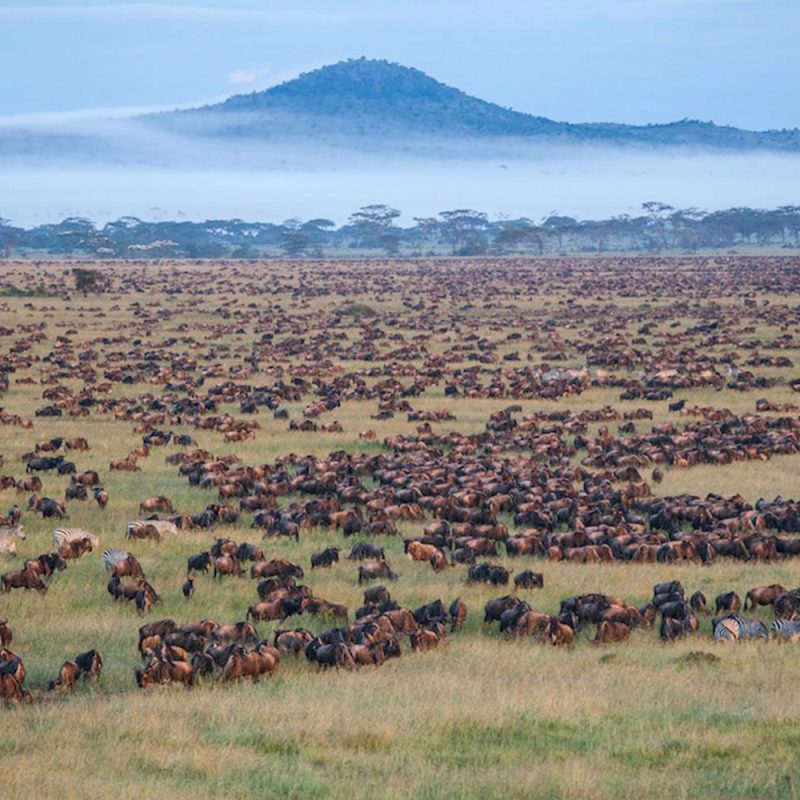
The Great Wildebeest Migration is a continuous cycle involving over a million wildebeest, accompanied by zebra and gazelle. Driven by rainfall and grass availability, the migration moves through the southern, western, and northern Serengeti before returning south.
Calving occurs in the southern plains early in the year. As conditions change, the herds move northwest and then north toward river crossings. Predator interactions are constant throughout the cycle, making the Serengeti essential to the migration’s survival.
Plan Your Serengeti Safari with Jas Safari
A Serengeti National Park safari offers an opportunity to engage with one of the world’s most complex natural systems. With informed planning and experienced guidance, the Serengeti reveals its depth through observation and time.
Jas Safari invites travelers to explore Serengeti National Park with insight, responsibility, and respect for the land. Through local expertise and thoughtful safari design, Jas Safari helps guests experience the Serengeti in a meaningful and well-informed way.
Other Northern Related Destinations
Arusha National Park
Ngorongoro Conservation Area