Ngorongoro Crater Day Trip
Overview
A Ngorongoro Crater day trip is one of the most concentrated wildlife experiences you can have anywhere in Africa. Designed for travelers who want exceptional game viewing within a single day, this excursion takes you from Arusha into the heart of an ancient volcanic caldera that functions as a natural wildlife sanctuary.
Despite the limited timeframe, the experience feels complete. The crater’s enclosed ecosystem supports a remarkable density of animals year-round, allowing visitors to see a wide range of species in just a few hours of exploration. For travelers with tight schedules or those combining a safari with other plans such as Mount Kilimanjaro trekking or Zanzibar, this day trip offers depth, reliability, and strong value.
Destination & Experience
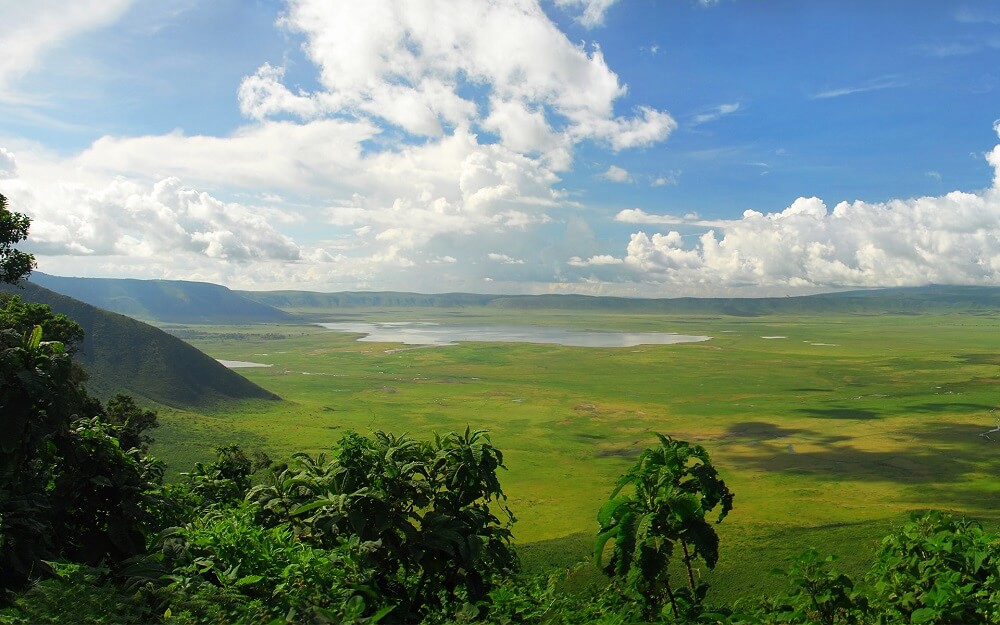
Ngorongoro Crater lies within the Ngorongoro Conservation Area in northern Tanzania. Formed millions of years ago after a massive volcanic eruption, the crater spans roughly 260 square kilometers and features steep walls that rise dramatically from the crater floor. These walls create a largely enclosed environment where wildlife remains resident throughout the year.
Descending into the crater feels like entering a separate world. The landscape shifts quickly from forested highlands to open grasslands, freshwater springs, acacia woodlands, and seasonal lakes. Each habitat supports different species, making the crater floor exceptionally diverse for its size.
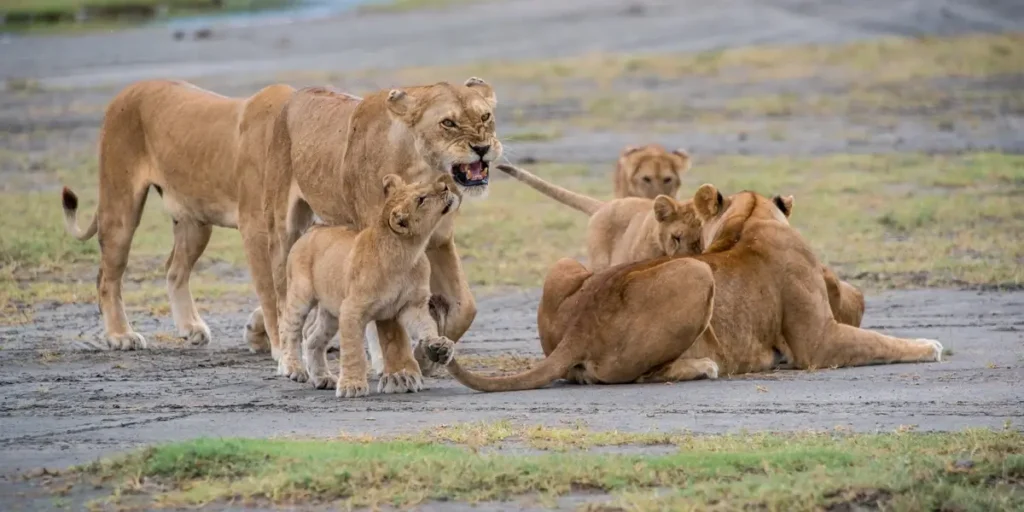
The crater is famous for its consistently strong wildlife sightings. Large populations of wildebeest, zebras, buffalo, and gazelles form the foundation of the ecosystem, supporting predators such as lions and spotted hyenas. It is one of the most reliable places in Tanzania to see lions during a short visit, often resting in the open grasslands or moving between hunting grounds.
Elephants, typically older bulls with impressive tusks, are frequently seen in the forested areas and near swamps. The crater is also one of the few places in northern Tanzania where black rhinos are protected and occasionally sighted, adding an important conservation dimension to the experience.
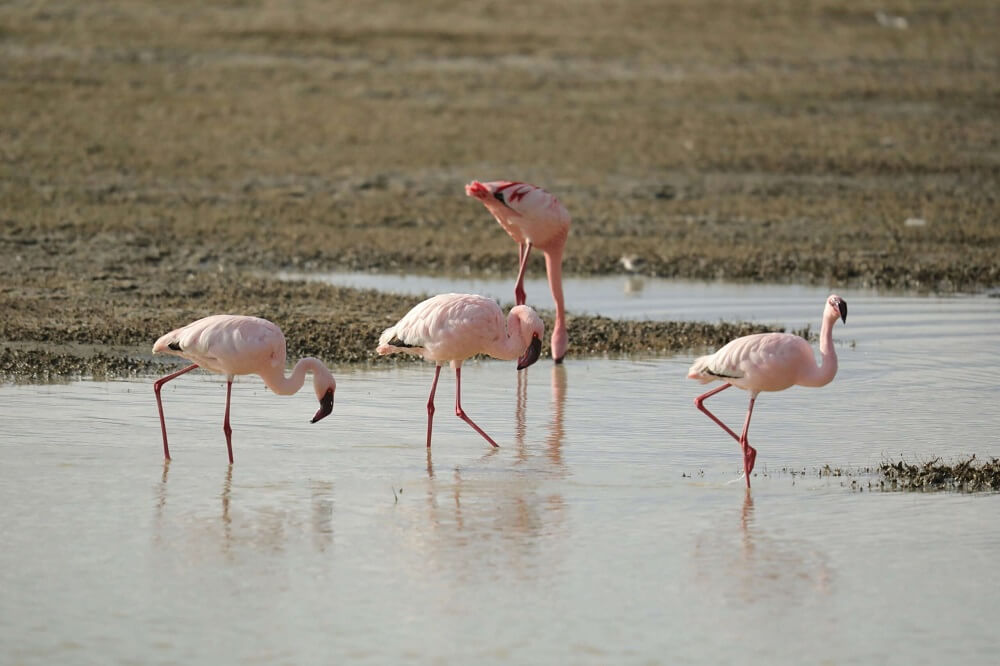
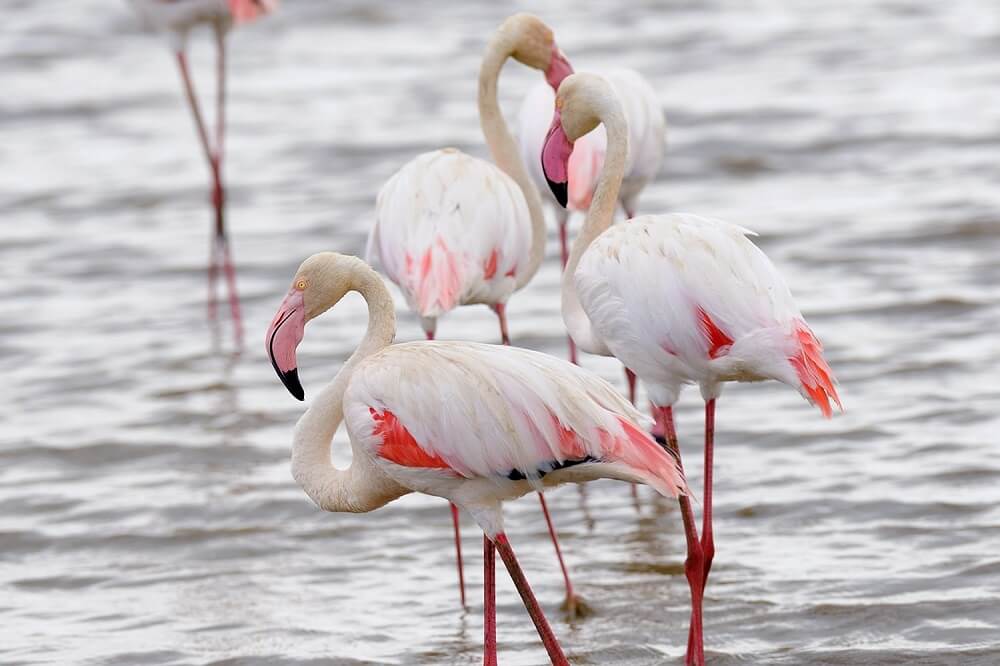
Birdlife is equally notable, especially around Lake Magadi, where flamingos and other waterbirds gather depending on water levels. Even first-time safari travelers often remark on how much they see in such a compact area.
Itinerary
Early Morning Departure
The day begins with an early pickup from your hotel in Arusha or nearby locations. An early start is essential to make the most of the day and to reach the crater before it becomes busy. The drive takes approximately three to four hours, passing through the cooler highlands and rural villages along the way.
As you approach the conservation area, the scenery changes noticeably. The air becomes cooler, vegetation thicker, and views more expansive as the road climbs toward the crater rim.
Descent into the Crater
After completing entry formalities, your safari vehicle descends the steep road into the crater. This descent is often a highlight in itself, offering panoramic views across the crater floor. Once inside, the game drive begins immediately.
Your guide navigates carefully between open plains, wetlands, and wooded sections, adjusting the route based on wildlife movement and current sightings. The enclosed nature of the crater allows for a steady flow of observations without long driving distances.
Picnic Lunch on the Crater Floor
Around midday, the game drive pauses for a picnic lunch at a designated site within the crater. These areas are selected for safety and scenery, often near water sources where hippos can be seen resting nearby. Lunch is relaxed, allowing time to take in the surroundings while remaining immersed in the wildlife environment.
Afternoon Game Drive and Return
After lunch, the safari continues with further exploration of different sections of the crater floor. Afternoon light often brings renewed animal activity, and this time is well suited for photography and quieter observation.
In the mid to late afternoon, you ascend back to the crater rim and begin the return journey to Arusha. Arrival is typically in the early evening, with drop-off at your hotel or agreed location.
What’s Included
- Safari vehicle with pop-up roof for wildlife viewing
- Professional, English-speaking driver-guide
- Ngorongoro Conservation Area and crater entry fees
- Picnic lunch inside the crater
- Bottled drinking water during the safari
- Hotel pickup and drop-off in Arusha or nearby areas
What’s Not Included
- Tips for the driver-guide
- Personal expenses and souvenirs
- Travel insurance
- Optional drinks beyond provided water
Best Time to Go
Seasonal Considerations
Ngorongoro Crater is a year-round destination, thanks to its permanent water sources and resident wildlife. Unlike many other parks, animal movement here is less dependent on rainfall, making sightings consistently strong throughout the year.
The dry season, from June to October, offers clear skies, cooler temperatures, and excellent visibility. Wildlife tends to gather in open areas, making viewing straightforward and photography easier.
The green season, from November to May, brings lush landscapes and fewer vehicles. Birdlife is particularly vibrant during this time, and the crater takes on a softer, greener appearance. Short rains usually occur toward the end of the year, while heavier rains fall mainly from March to May, though visits remain possible.
For a day trip, any season works well. The key factor is an early start to maximize time inside the crater.
Why Choose a Ngorongoro Crater Day Trip
A Ngorongoro Crater day trip offers rare efficiency without compromise. In a single day, travelers experience one of Africa’s most remarkable natural environments, supported by professional guiding and well-managed logistics.
Rather than covering long distances or multiple parks, this experience focuses on depth, reliability, and understanding. For travelers seeking a meaningful safari within limited time, the Ngorongoro Crater stands as one of Tanzania’s most rewarding single-day journeys.
Other Related Day Trips
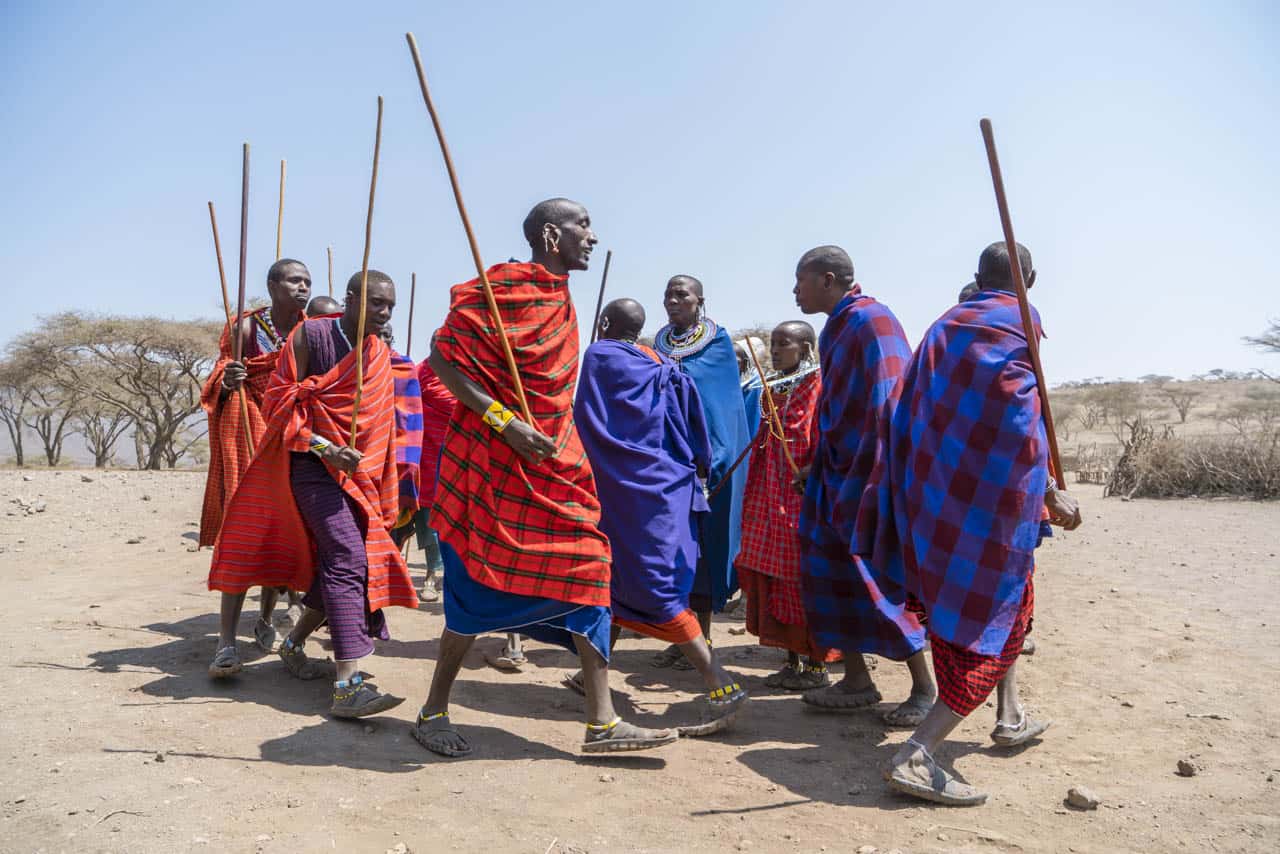
Maasai Cultural Village Visit
Lake Manyara National Park