Ngorongoro Conservation Area
Overview
The Ngorongoro Conservation Area stands as one of Tanzania’s most distinctive protected landscapes, combining exceptional wildlife conservation with deep cultural and archaeological significance. Unlike national parks that prioritize wildlife alone, Ngorongoro was established as a multiple-land-use area where people and wildlife coexist under carefully managed regulations. This balance has allowed the region to preserve both its natural ecosystems and the pastoral traditions of the Maasai communities who have lived here for centuries.
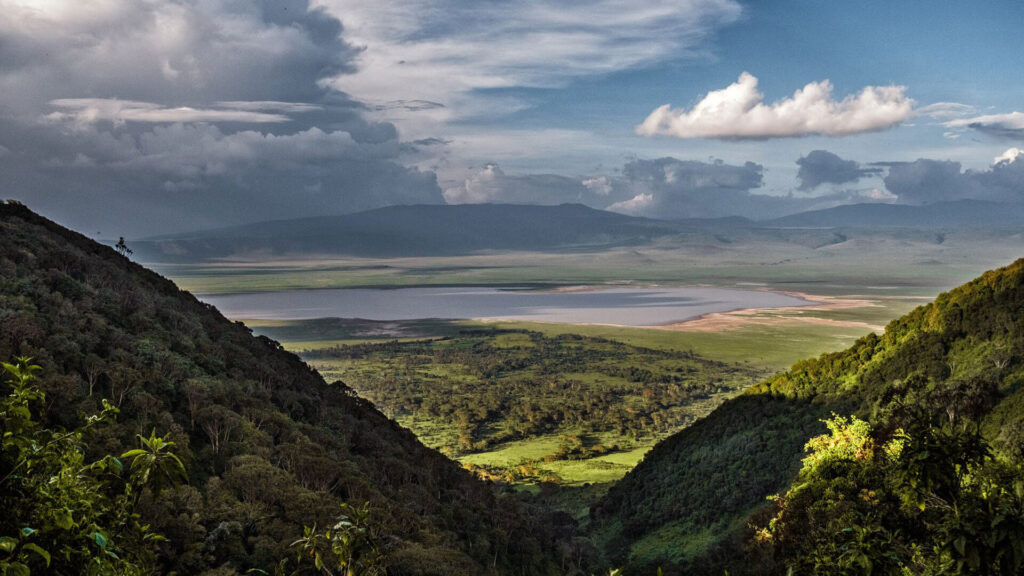
At the heart of the conservation area lies the Ngorongoro Crater, the world’s largest intact volcanic caldera. Within its steep walls exists a remarkably dense and stable wildlife population, making Ngorongoro a cornerstone of Tanzania safari travel. For visitors, a Ngorongoro Crater safari offers an intense, highly concentrated wildlife experience shaped by geology, altitude, and ecological balance. Jas Safari approaches Ngorongoro with an emphasis on understanding this complexity, ensuring that each visit respects the land, wildlife, and people who depend on it.
Location and Size of the Park
The Ngorongoro Conservation Area is located in northern Tanzania, approximately 180 kilometers west of Arusha and directly southeast of Serengeti National Park. Covering about 8,292 square kilometers, it forms a vital ecological bridge between the Serengeti plains and the eastern arm of the Great Rift Valley. This location places Ngorongoro at the center of Tanzania’s northern safari circuit.
Within its boundaries are diverse landscapes that include the Ngorongoro Crater, highland forests, open savannahs, volcanic peaks, and soda lakes. The conservation area also functions as part of the greater Serengeti ecosystem, supporting seasonal wildlife movements and acting as a buffer between human settlement and strictly protected national parks.
Historical and Conservation Importance
Ngorongoro Conservation Area was officially established in 1959 following the separation of the Serengeti National Park. This decision created a new conservation model that recognized the long-standing relationship between Maasai pastoralists and the land. Traditional grazing practices were acknowledged as part of the region’s ecological history rather than a threat to it.
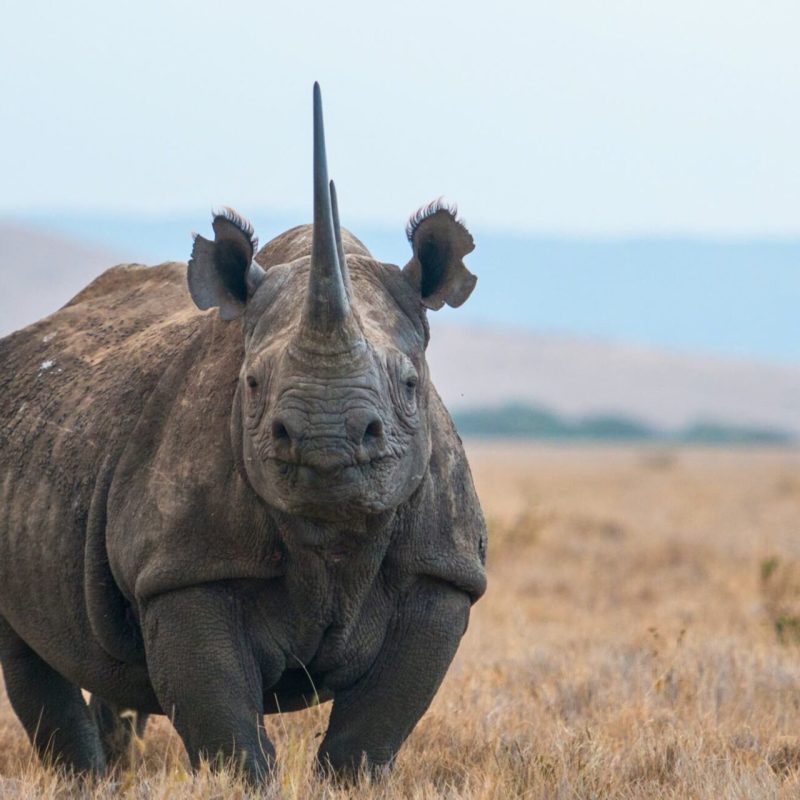
In 1979, Ngorongoro was designated a UNESCO World Heritage Site due to its combined natural and cultural value. The area protects critical wildlife habitats, endangered species such as the black rhinoceros, and globally important archaeological sites, including Olduvai Gorge. Conservation efforts today focus on managing tourism pressure, protecting sensitive habitats, and maintaining a sustainable balance between wildlife protection and human livelihoods.
Attractions Found in Ngorongoro Conservation Area
Abundant Wildlife Populations:
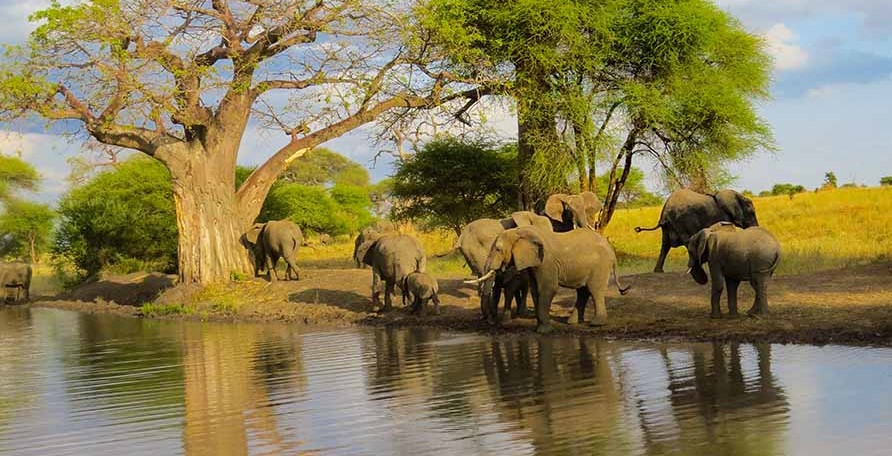
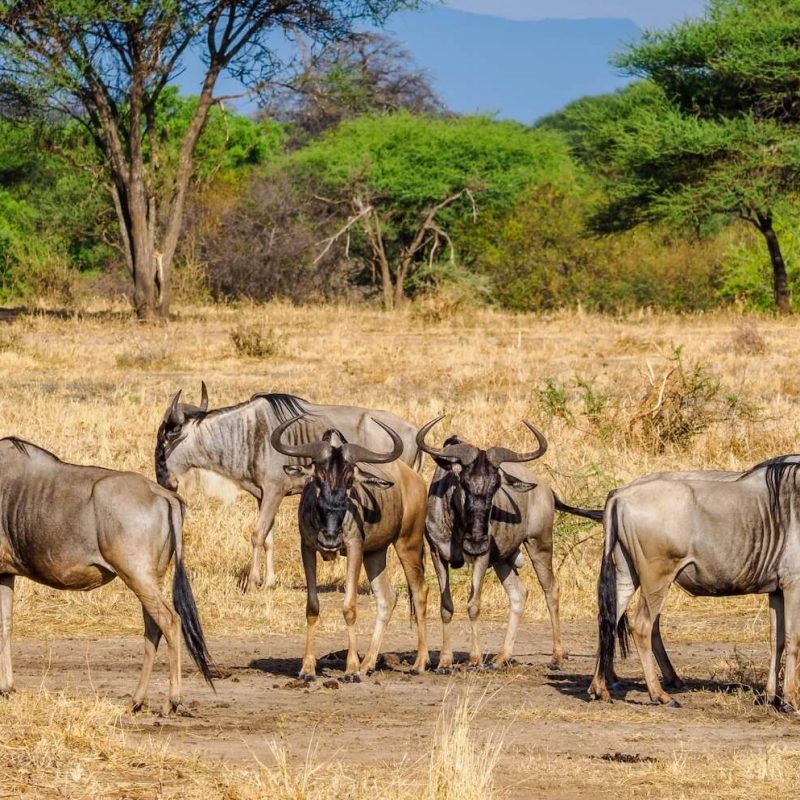
The crater floor supports thousands of animals year-round due to permanent water sources and nutrient-rich grasses. Wildebeest, zebra, buffalo, gazelle, and eland form large herds across the open plains, creating constant wildlife activity and reliable game viewing.
Predator Density:
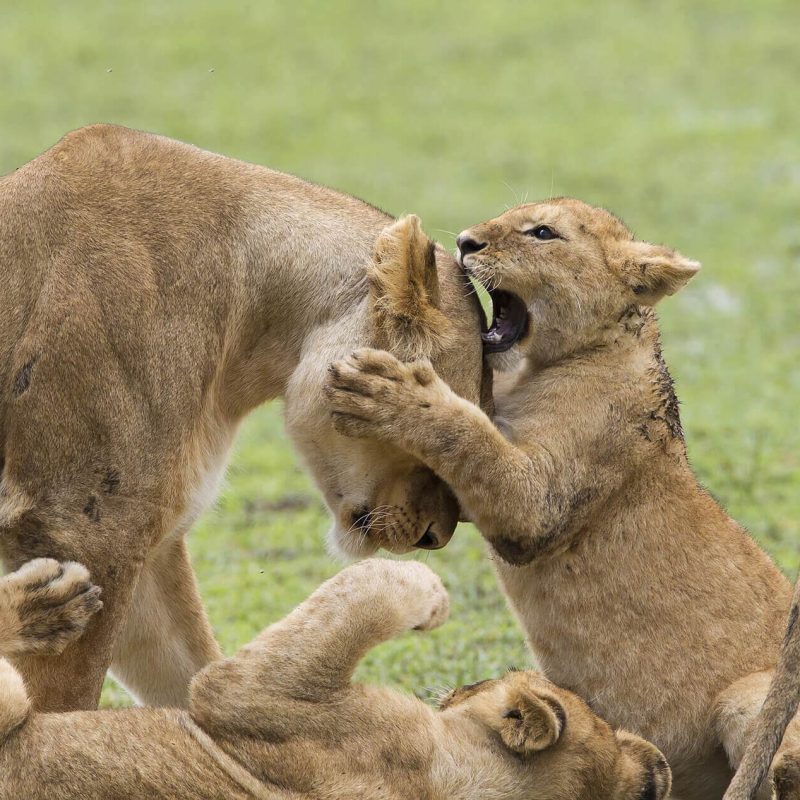
Ngorongoro is renowned for its high concentration of predators. Lions are frequently seen resting or hunting on the crater floor, supported by a stable prey base.
Spotted hyenas are abundant and active throughout the day, while cheetahs patrol open grasslands. Leopards, though more elusive, are occasionally encountered near forested crater walls.
Best Time and Seasons to Visit Ngorongoro
Ngorongoro can be visited throughout the year, with wildlife viewing remaining strong in all seasons. The dry season from June to October offers easier driving conditions and clear visibility, particularly on the crater floor. Wildlife remains present year-round due to permanent water sources.
The green season from November to May brings lush landscapes, fewer visitors, and excellent birdwatching opportunities. Short rains typically occur toward the end of the year, with heavier rainfall from March to May. Jas Safari advises travelers based on comfort preferences, photography interests, and broader safari itineraries.
Safari Activities in Ngorongoro Conservation Area
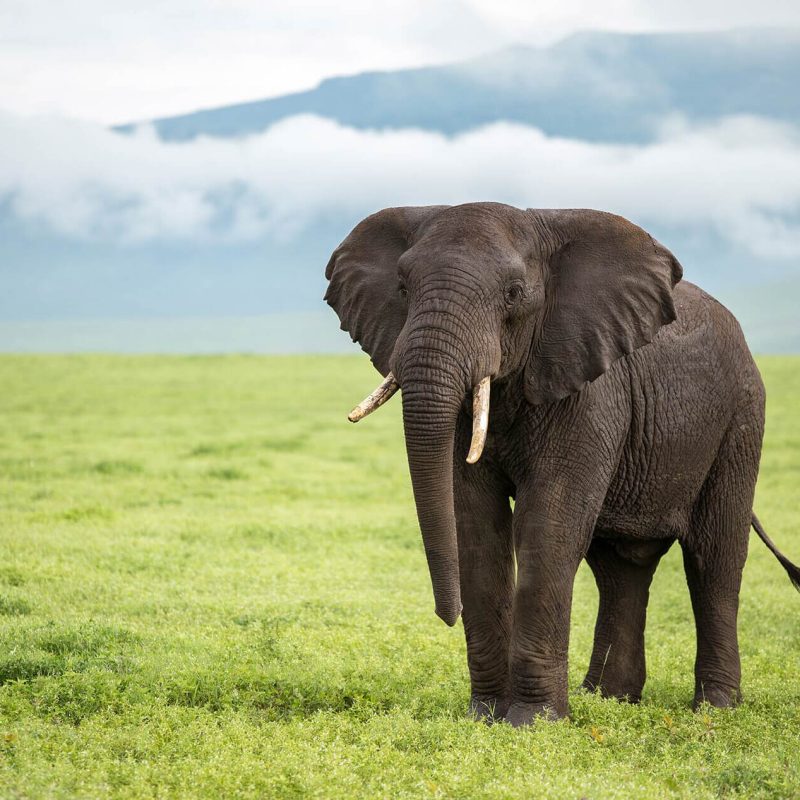
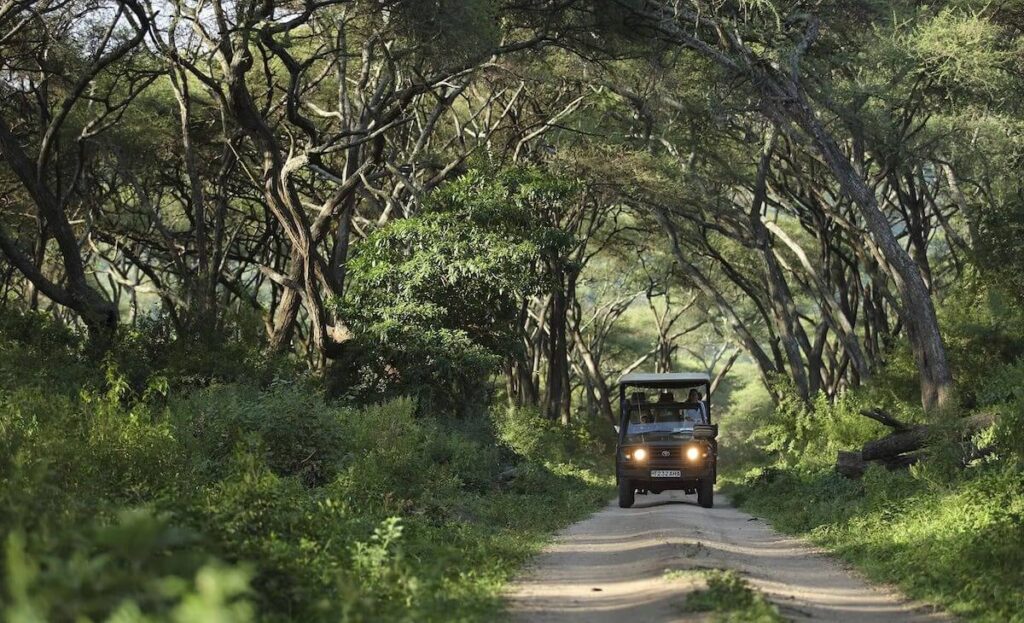
Game drives focus primarily on the crater floor, where wildlife density is exceptionally high. Early morning descents provide optimal predator sightings, while full-day drives allow exploration of diverse habitats.
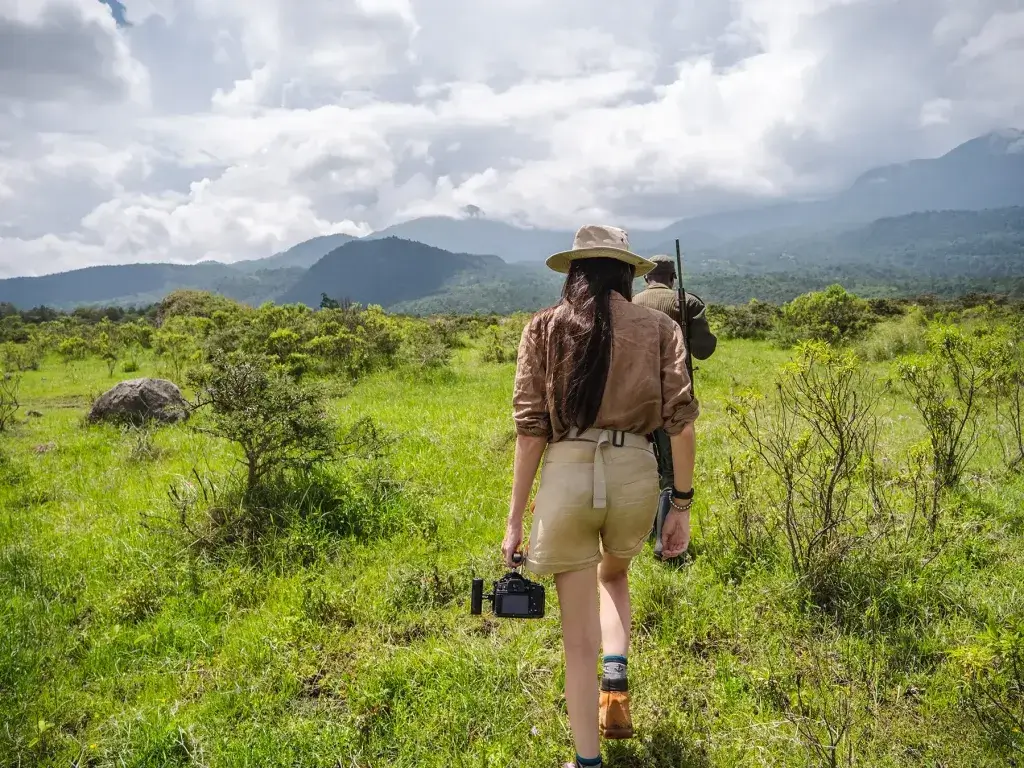
Walking safaris are permitted in designated areas outside the crater, accompanied by armed rangers. These experiences emphasize tracking, plant identification, insects, and understanding the ecosystem beyond large mammals.
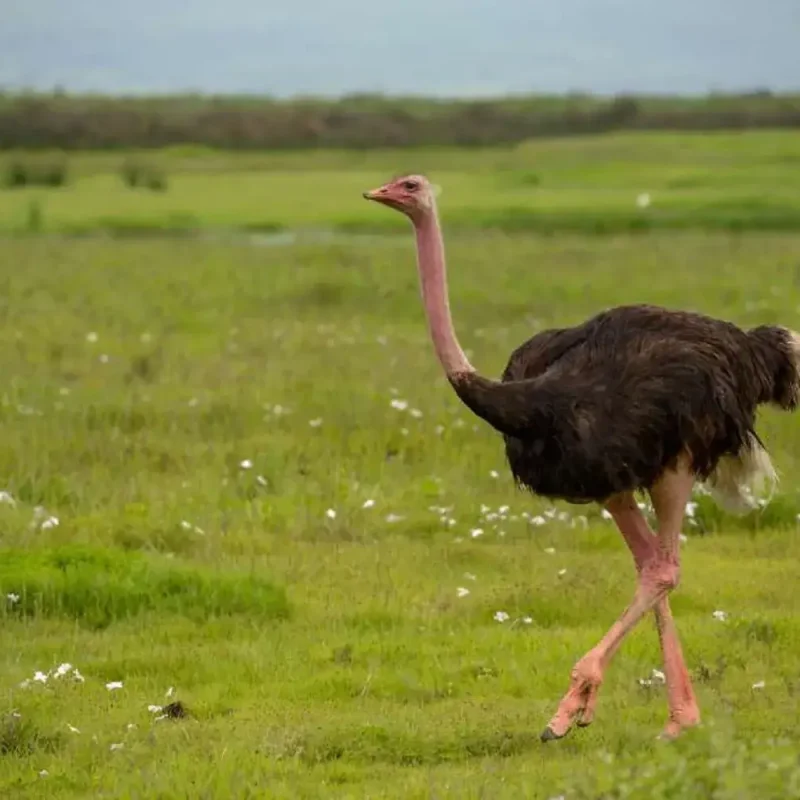
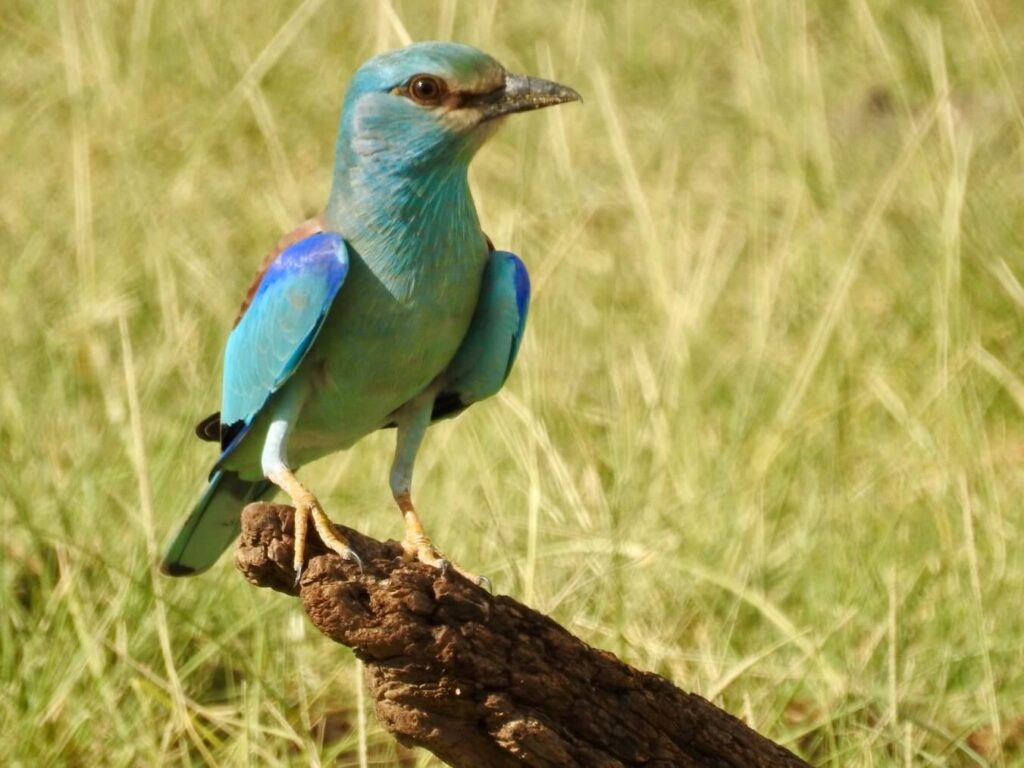
Ngorongoro supports a wide range of bird species, including raptors, waterbirds, and forest species. Lake Magadi and the crater rim forests are particularly rewarding habitats for birdwatching.
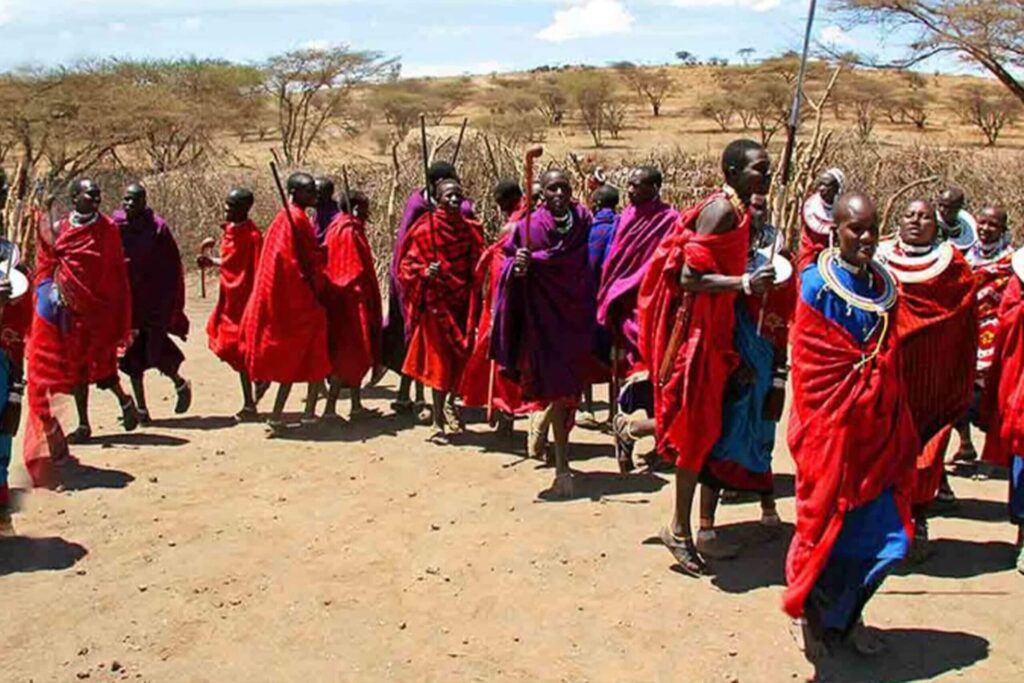
Cultural visits provide insight into Maasai traditions, pastoral lifestyles, and the coexistence of people and wildlife within the conservation area.
These interactions are conducted respectfully and focus on learning rather than performance.
Accommodation in Ngorongoro Conservation Area
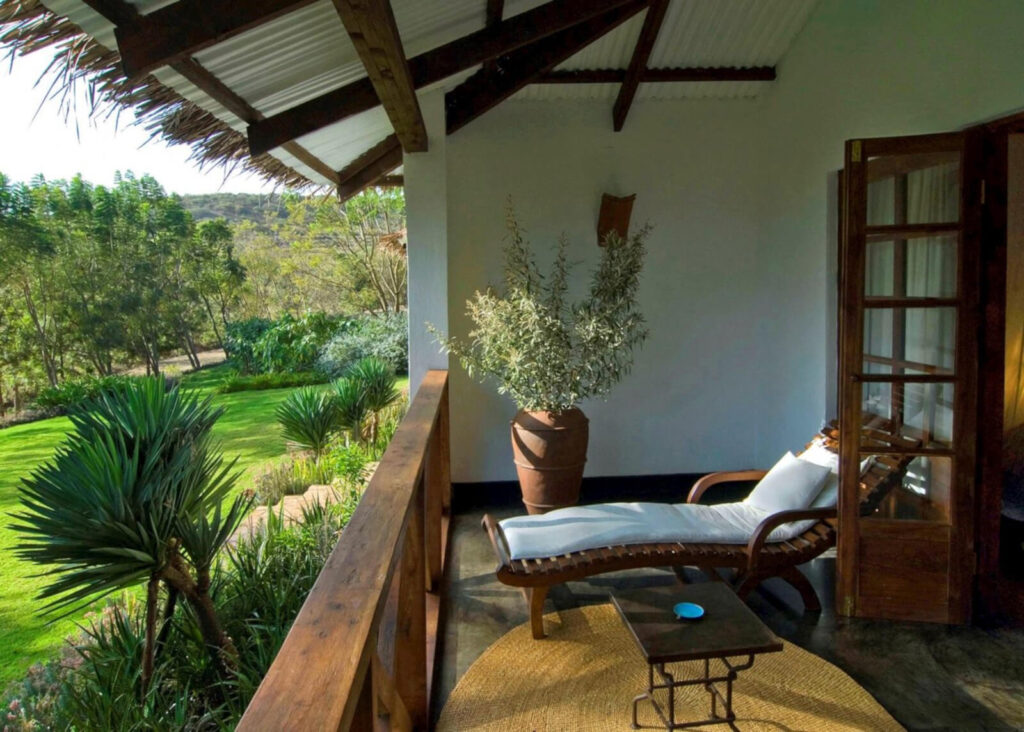
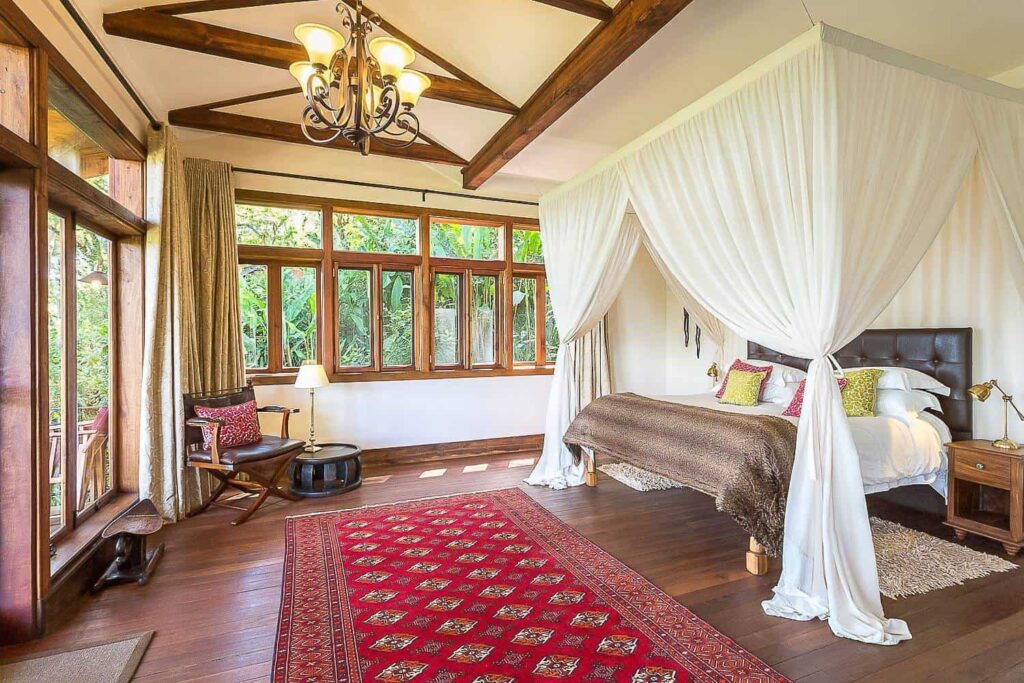
Accommodation options range from luxury crater-rim lodges to practical camps in the surrounding highlands. Luxury lodges offer panoramic views, refined service, and early crater access, while mid-range lodges balance comfort and value.
Budget accommodations focus on practicality and location, supporting efficient safari logistics. Jas Safari selects accommodation based on season, itinerary flow, and guest expectations.
Mid-Range and Budget Accommodation
Mid-range lodges and camps provide comfortable rooms, reliable facilities, and convenient access to the park. Budget accommodations focus on simplicity and practicality, offering clean and functional lodging suited to travelers prioritizing wildlife experiences over amenities.
Why Choose Jas Safari for Ngorongoro
Jas Safari offers in-depth local knowledge, professional guiding, and carefully planned itineraries tailored to seasonal conditions. The company emphasizes safety, responsible tourism, and meaningful safari experiences rooted in ecological understanding.
Safari Packing List for Ngorongoro
Packing for Ngorongoro Conservation Area requires preparation for changing elevations and temperatures. Layered clothing is essential, as mornings and evenings on the crater rim can be cool, while mid-day temperatures inside the crater are warmer. A light fleece or jacket is recommended for early game drives.
Sun protection is important year-round bring a wide-brimmed hat, sunglasses, and high-SPF sunscreen. Comfortable walking shoes are useful, especially if your itinerary includes cultural visits or short walks around the lodge.
Binoculars enhance wildlife viewing across the crater floor, while a good camera with extra memory cards and spare batteries ensures you capture the landscape and wildlife in detail. Personal medications, basic toiletries, insect repellent, and essential travel documents should always be kept in a secure and easily accessible bag.

Weather and Climate
Ngorongoro’s high elevation results in cooler conditions compared to surrounding lowlands.
Daytime temperatures are generally mild, while mornings and evenings can be cold, especially on the crater rim. Seasonal rainfall influences vegetation and road conditions.
Ngorongoro Sections and Regions
The Ngorongoro Crater is the primary wildlife area, while surrounding highlands feature forests and open plains.
Olduvai Gorge holds archaeological importance, and northern plains connect the area to the greater Serengeti ecosystem.
Ngorongoro and the Greater Serengeti Ecosystem
Although the Great Wildebeest Migration primarily occurs in the Serengeti, Ngorongoro plays a supporting role within the wider ecosystem.
Seasonal movements pass through nearby plains, and the conservation area contributes to the overall health of northern Tanzania’s wildlife systems.
Plan Your Ngorongoro Safari with Jas Safari
A Ngorongoro Conservation Area safari offers an immersive journey into one of Africa’s most complex and balanced landscapes. With informed planning and experienced guidance, Jas Safari helps travelers explore Ngorongoro with depth, respect, and insight.
Other Northern Related Destinations
Arusha National Park
Ngorongoro Conservation Area