Mkomazi National Park
Overview
Mkomazi National Park is one of Tanzania’s most important yet least visited conservation landscapes, offering a safari experience defined by space, silence, and conservation-driven wildlife protection. Located in northern Tanzania along the Kenyan border, Mkomazi protects a vast semi-arid ecosystem that forms a critical wildlife corridor between Tsavo in Kenya and Tanzania’s northern parks.
Unlike high-traffic safari destinations, Mkomazi is a park for travelers who value authenticity over spectacle. It is internationally significant for its role in protecting endangered species, particularly black rhinos and African wild dogs, and for conserving fragile dryland ecosystems that are increasingly rare across East Africa.
For Jas Safari guests, Mkomazi represents a different kind of Tanzania safari one rooted in conservation success, uncrowded exploration, and meaningful encounters in a truly wild landscape.
Location and Size of the Park
Mkomazi National Park is located in northeastern Tanzania, stretching along the border with Kenya and adjoining Tsavo West National Park. The park lies east of Kilimanjaro and south of the Pare Mountains, forming part of a transboundary ecosystem that allows wildlife to move naturally across international borders.
Covering a vast area of open plains, acacia woodlands, volcanic hills, and seasonal rivers, Mkomazi is one of Tanzania’s larger national parks. Its arid and semi-arid landscapes are shaped by low rainfall and wide temperature variation, creating conditions suited to species adapted to dry environments.
The park’s remote position and low visitor numbers preserve its wilderness character and ecological integrity.
Historical and Conservation Importance
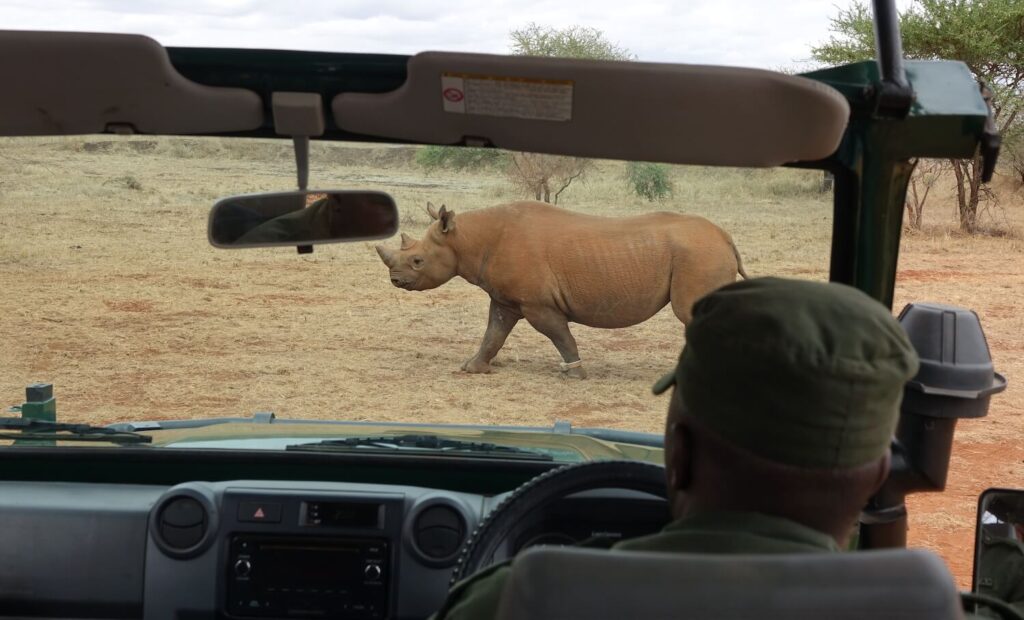
Mkomazi’s conservation significance extends far beyond tourism. Once heavily impacted by poaching and habitat degradation, the park became the focus of one of East Africa’s most important wildlife restoration efforts. Mkomazi is internationally recognized for its black rhinoceros conservation program, which has helped reintroduce and protect one of Africa’s most endangered species within a secure, fenced sanctuary.
The park is also a stronghold for African wild dogs, a species that requires large, undisturbed territories to survive.Rather than hosting mass wildlife migrations, Mkomazi plays a quieter but equally vital role protecting rare species, maintaining dryland biodiversity, and preserving a critical ecological link between Tanzania and Kenya.
Attractions Found in Mkomazi National Park
Unique and Specialized Wildlife:
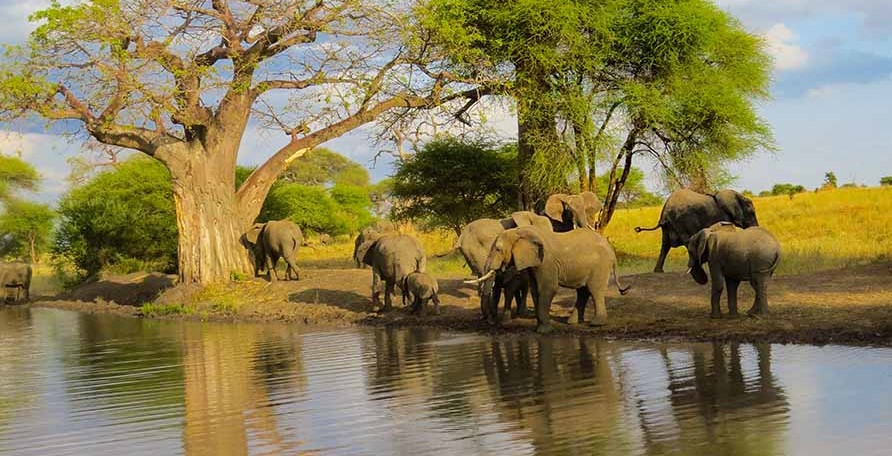
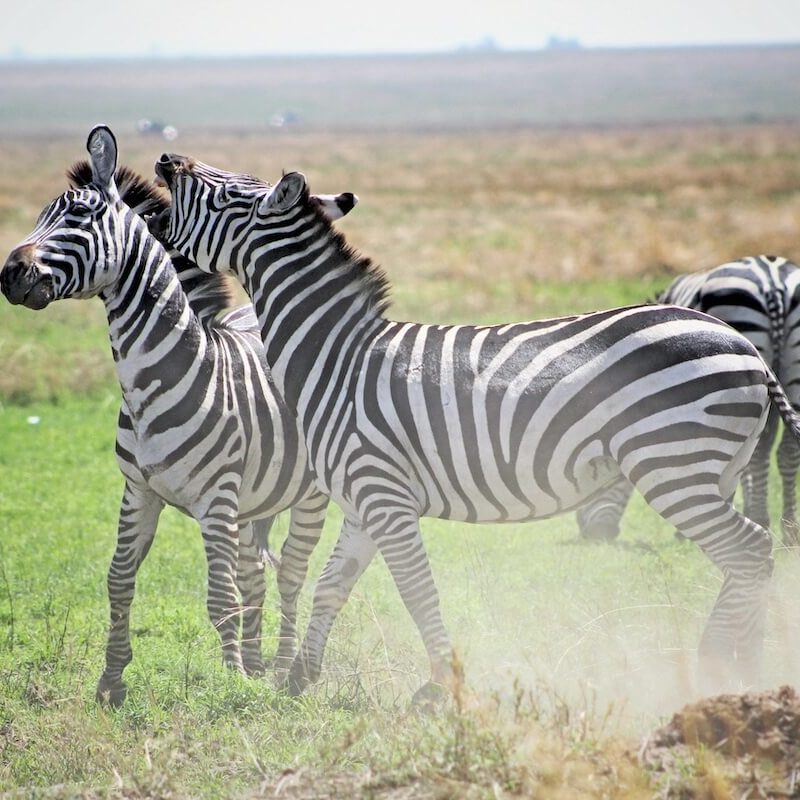
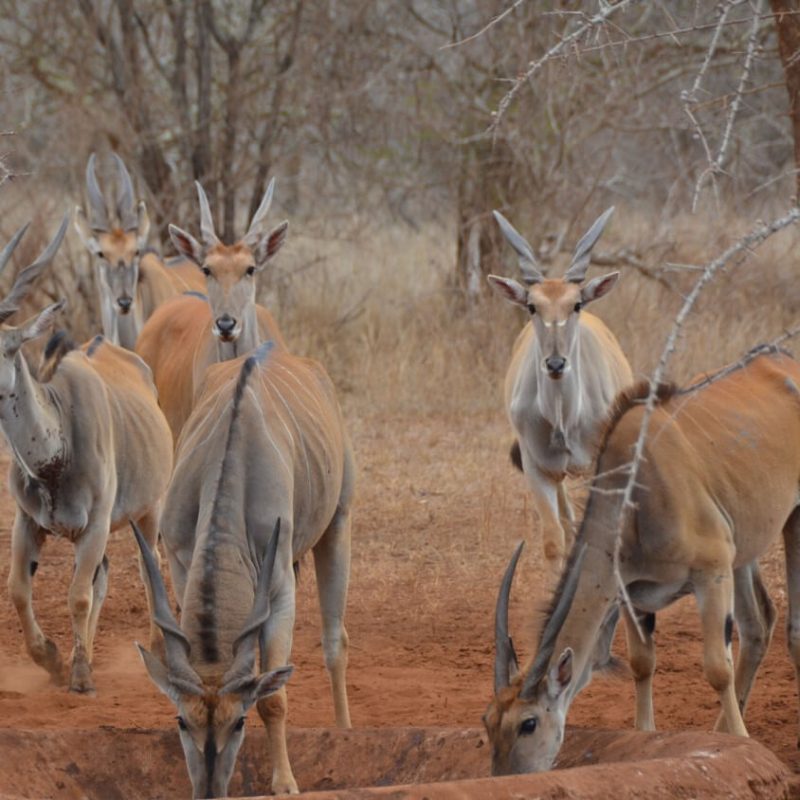
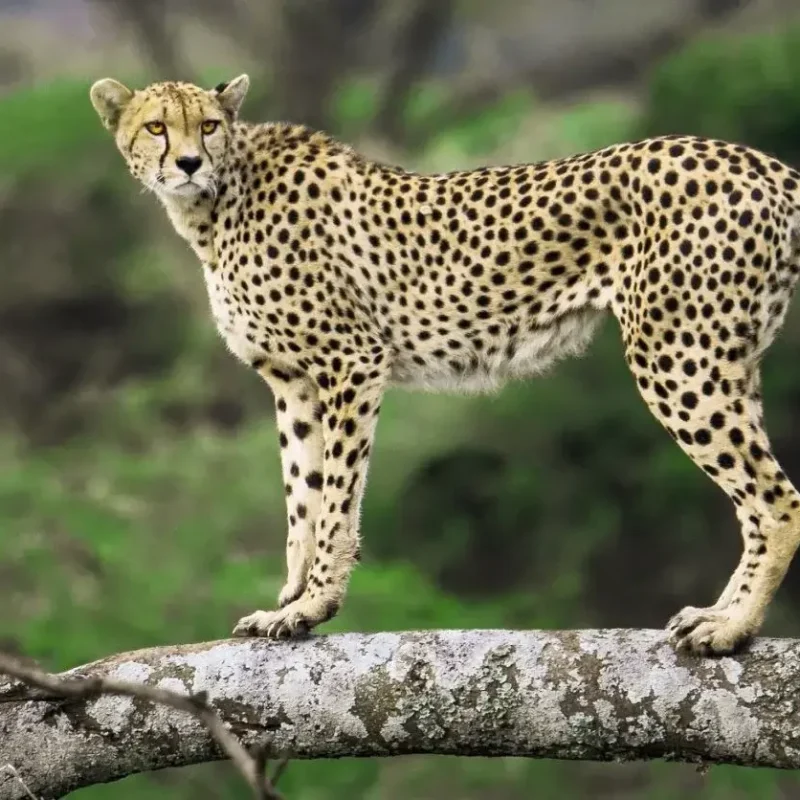
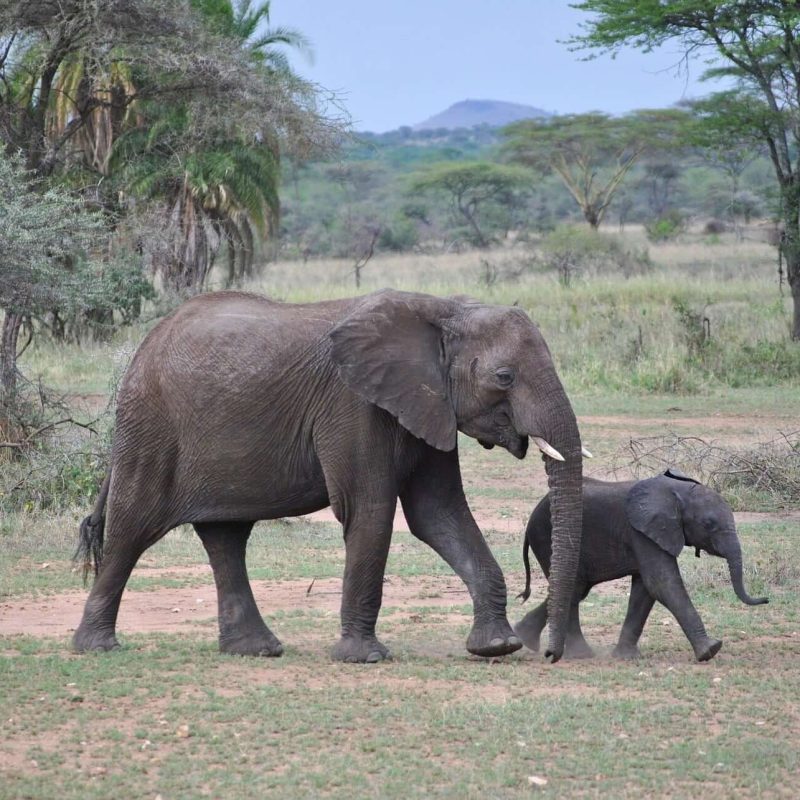
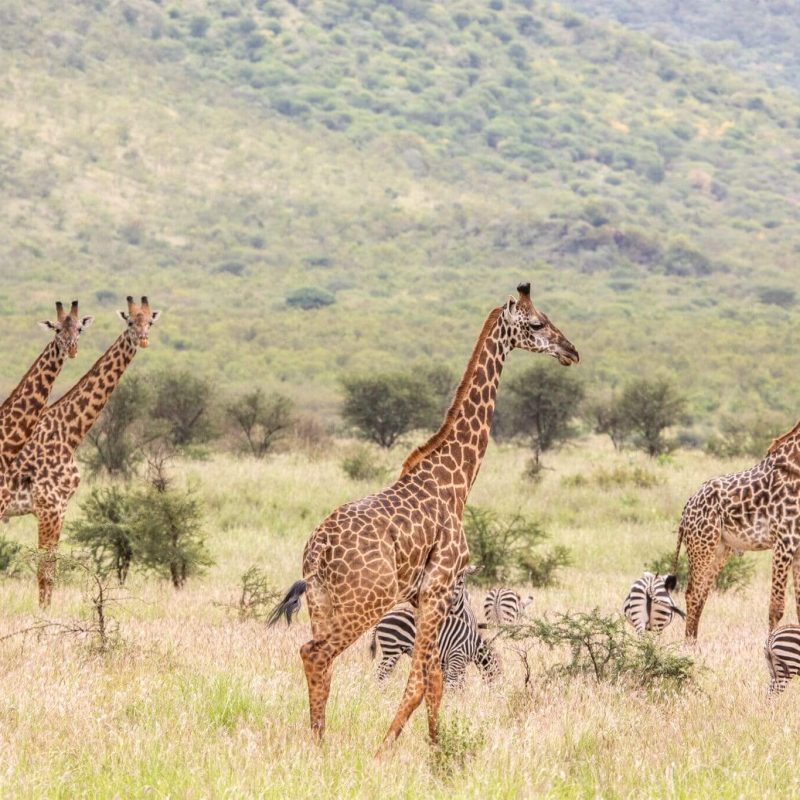
Mkomazi is home to species adapted to dry, open landscapes. Elephants, giraffes, zebra, eland, gerenuk, oryx, and hartebeest roam the plains, while predators such as lions and leopards move through wooded areas and rocky hills.
The park’s greatest wildlife significance lies in its endangered species populations, particularly black rhinos and African wild dogs, which are rarely seen elsewhere in Tanzania.
Landscapes and Scenic Character:
Mkomazi’s scenery is stark, expansive, and dramatic. Open savannah stretches toward distant mountains, broken by volcanic hills, dry riverbeds, and scattered acacia trees. On clear days, Mount Kilimanjaro and the Pare Mountains form a striking backdrop.
The park’s openness allows long sightlines and a powerful sense of scale, making it especially appealing to photographers who appreciate minimalist landscapes and natural light.
Best Time and Seasons to Visit Mkomazi National Park
Dry Season Experience:
During drier months, vegetation thins and wildlife concentrates around remaining water sources. Game viewing improves as animals become easier to spot across open terrain, and road conditions are generally better for exploration.
This period is ideal for travelers focused on wildlife observation and photography.
Green Season Experience:
The green season brings fresh grasses, flowering plants, and dramatic skies to Mkomazi’s arid landscape. While wildlife disperses more widely, the park becomes visually striking, and birdlife increases significantly.
This season is especially rewarding for photographers, birdwatchers, and travelers seeking a quieter, more atmospheric safari.
Safari Activities in Mkomazi National Park
Game drives in Mkomazi focus on wide-ranging exploration rather than high-density sightings. Morning and afternoon drives track elephants, giraffes, antelope species, and predators adapted to dry environments.
Because visitor numbers are low, game drives often feel exclusive and unhurried.
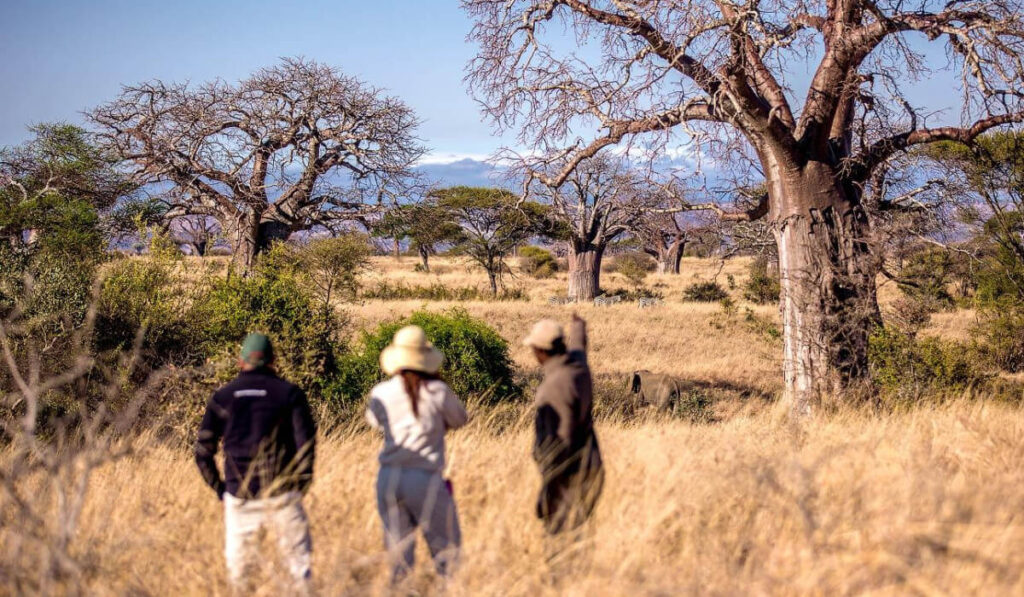
Guided walking safaris are offered in designated areas, accompanied by armed rangers. Walks focus on animal tracks, plant adaptations, insects, and the ecological challenges of arid landscapes, providing deep educational value.
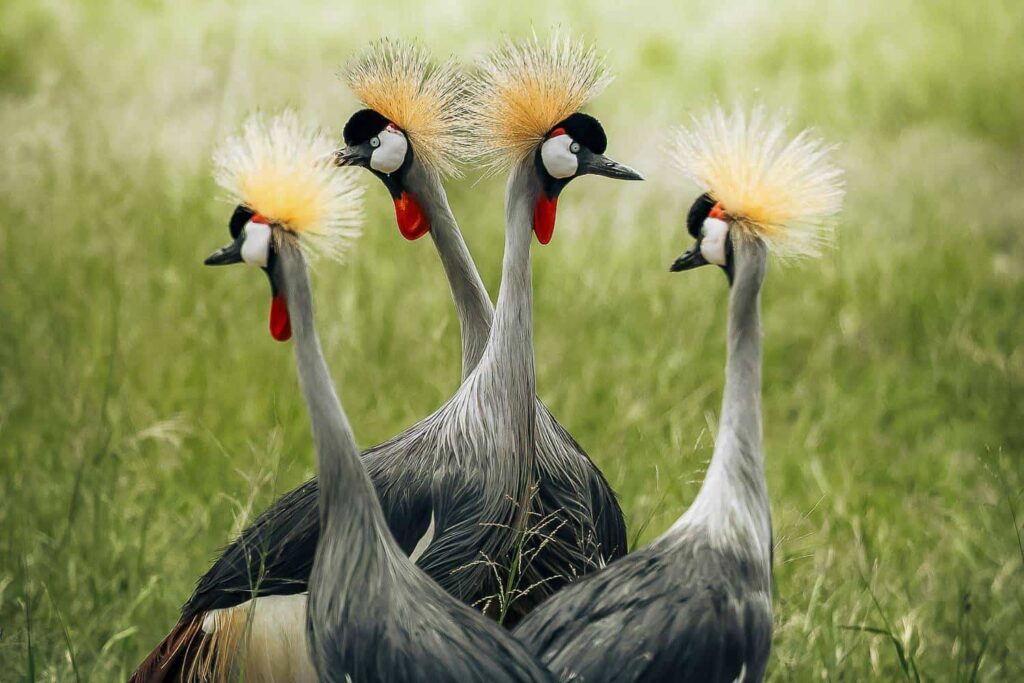
Mkomazi is a strong birding destination, particularly for dryland and raptor species. Seasonal migrants add diversity, and habitats range from open plains to rocky outcrops and riverine vegetation.
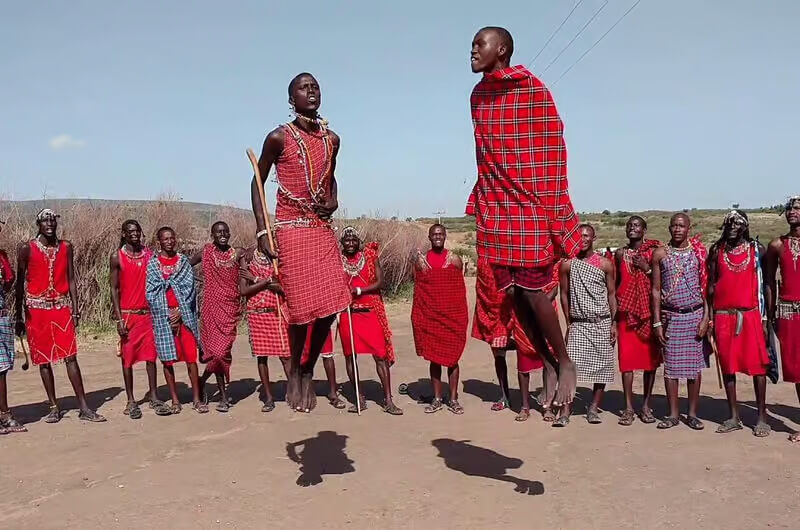
Cultural visits can be arranged with local communities living around the park, offering insight into pastoral traditions, land use, and coexistence with wildlife. These interactions are conducted respectfully and support community-based conservation.
Accommodation Near Mkomazi National Park
Mid-Range and Eco-Lodges
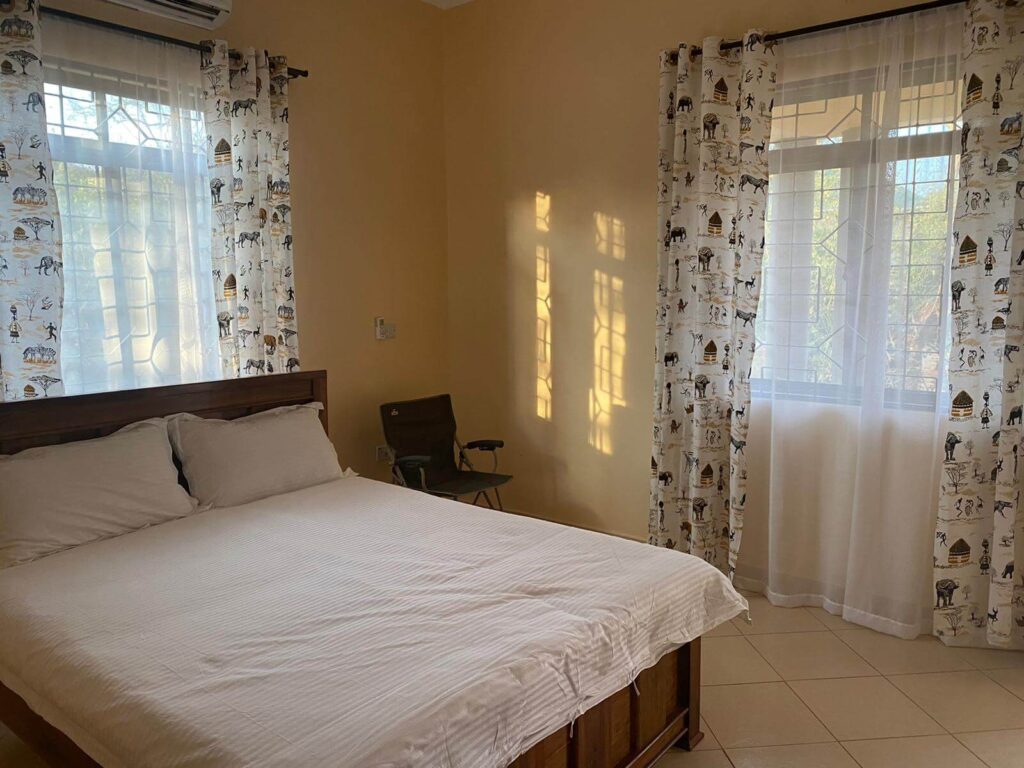
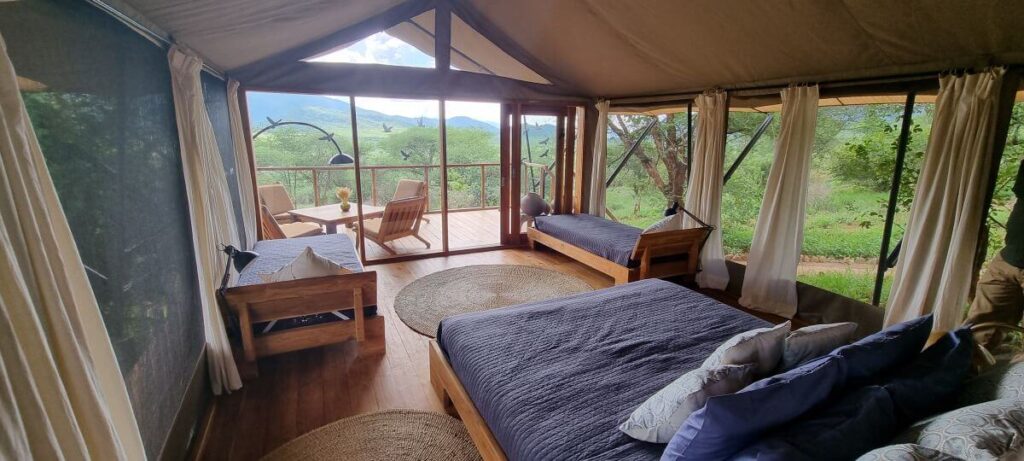
Mkomazi Wilderness Retreat is one of the most appropriate accommodation options for visitors to the park. Located near key access points, the lodge offers comfortable bandas and cottages designed to blend into the surrounding landscape.
The emphasis is on tranquility, open views, and a strong connection to the natural environment. It is ideal for travelers seeking a relaxed base from which to explore Mkomazi’s vast plains and conservation areas.
Local Safari Lodges and Guest Lodges (Pare and Same Areas)
Several small lodges and eco-friendly guest properties operate in nearby towns such as Same and the Pare Mountains foothills.
These provide practical and comfortable accommodation for travelers approaching Mkomazi by road, with easy access to the park and surrounding landscapes.
Budget Accommodation
Public Campsites (Guided Use)
Designated public campsites are available for guided safaris and offer a basic but immersive wilderness experience. These camps are fully supported by professional safari teams, including guides and camp staff, ensuring safety and organization while maintaining a strong connection to nature.
Community Guesthouses
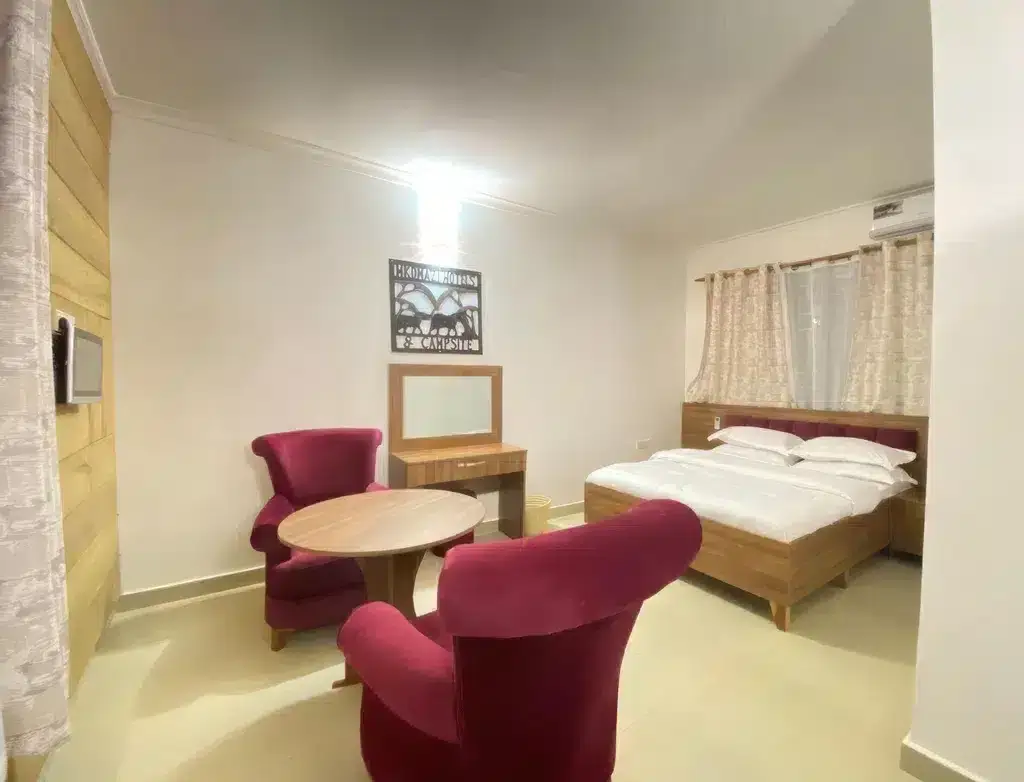
Simple guesthouses in nearby communities provide budget-friendly accommodation for travelers, researchers, and conservation visitors. While facilities are basic, these options support local livelihoods and allow visitors to experience daily life in areas bordering the park.
Why Choose Jas Safari for Mkomazi National Park
Jas Safari understands that Mkomazi National Park requires a different approach from traditional, high-density safari destinations. This is a park defined by conservation success, subtle wildlife encounters, and vast open landscapes rather than constant activity.
Our itineraries are designed for travelers who value knowledgeable guiding, ecological understanding, and thoughtful pacing. Our guides are experienced in dryland ecosystems and understand how to interpret wildlife behavior in open and semi-arid environments.
Safari Packing List for Mkomazi National Park
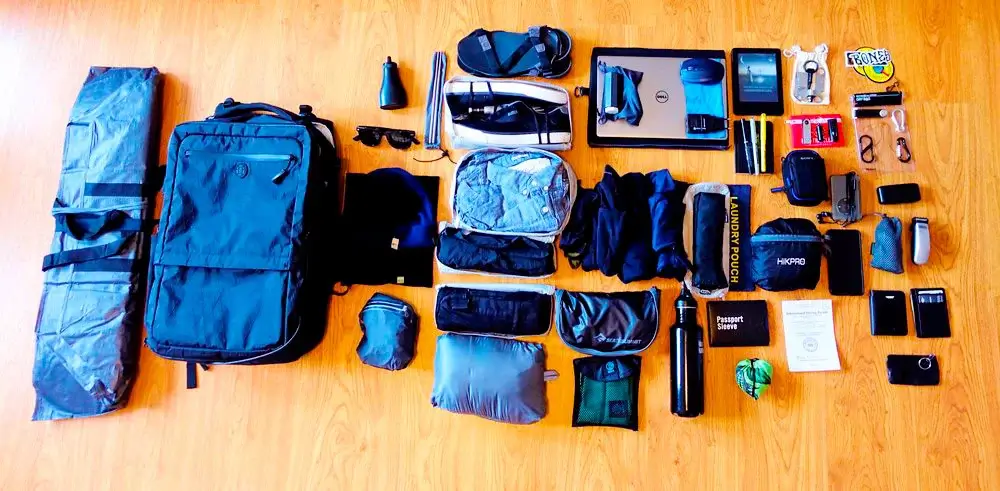
Packing for Mkomazi National Park should focus on comfort, sun protection, and adaptability to dry conditions. Lightweight, neutral-colored clothing is recommended for daytime game drives, while long sleeves help protect against sun exposure and dust.
Essential items include sturdy walking shoes for use around camp, a light jacket for early mornings, sun protection, insect repellent, and personal medications. Binoculars are highly recommended for observing wildlife across open plains, and cameras should be protected against dust.
A small daypack, reusable water bottles, and secure storage for travel documents should also be included.
Weather and Climate
Mkomazi National Park experiences a hot, semi-arid climate characterized by strong sunlight, low humidity, and limited rainfall. Daytime temperatures are generally warm to hot, while mornings and evenings can be cooler, particularly during drier months.
Rainfall is seasonal and plays a key role in shaping vegetation and wildlife movement. After rains, grasses regenerate and wildlife disperses across the landscape, while drier periods concentrate animals near remaining water sources.
Because weather conditions can shift quickly in open terrain, flexible planning and appropriate clothing are important for a comfortable visit.
Mkomazi Sections and Regions
The core of Mkomazi National Park is defined by open savannah and acacia woodland, where wide horizons create a classic semi-arid landscape. Seasonal rivers and scattered rocky outcrops shape the terrain, supporting species uniquely adapted to drier conditions.
The eastern sector borders Kenya’s Tsavo West National Park, forming part of a transboundary ecosystem that allows wildlife movement between the two protected areas. This connection strengthens biodiversity and reinforces Mkomazi’s ecological importance.
Within the park, dedicated conservation zones focus on the protection of endangered species such as the black rhinoceros and African wild dog, highlighting Mkomazi’s role not only as a wildlife destination but also as a center for long-term species recovery.
Mkomazi National Park Experience
Mkomazi National Park offers a safari experience rooted in space, silence, and conservation rather than spectacle. Its wide-open landscapes, endangered species programs, and low visitor numbers create a sense of discovery that is increasingly rare in East Africa.
This is a destination for travelers who appreciate subtle wildlife encounters, dramatic scenery, and the opportunity to understand how conservation works in practice.
With Jas Safari, Mkomazi becomes a carefully guided journey into one of Tanzania’s most meaningful protected areas a place where wilderness, conservation, and responsible travel come together in a powerful and authentic way.
Plan Your Mkomazi Safari with Jas Safari
A safari in Mkomazi National Park offers a quiet and meaningful experience within one of Tanzania’s most important conservation landscapes. With expert planning and knowledgeable guidance, Jas Safari ensures every visit to Mkomazi is insightful, responsible, and well-crafted.
Other Northern Related Destinations
Arusha National Park
Ngorongoro Conservation Area