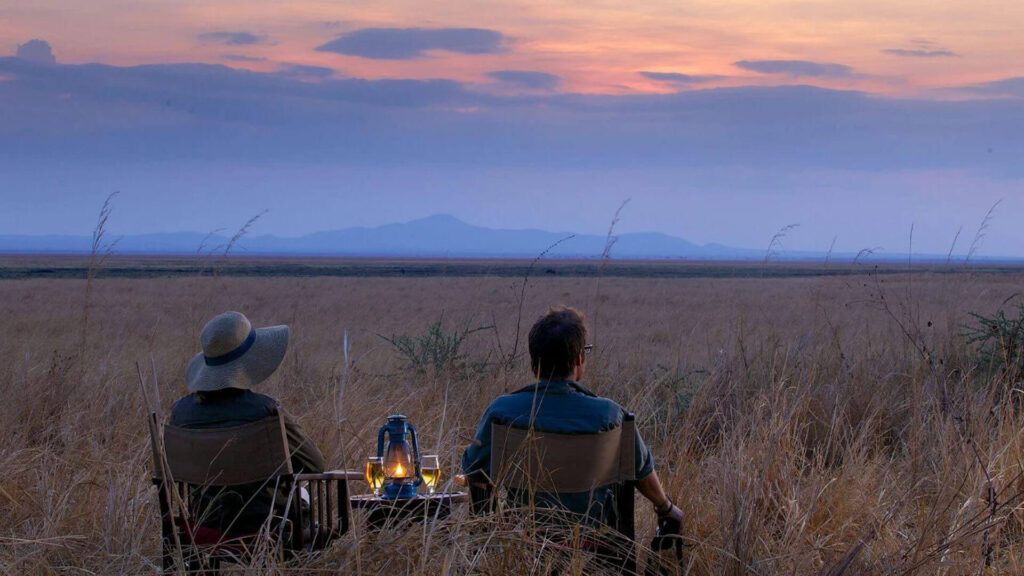
Mahale Mountains National Park
Overview
Mahale Mountains National Park is one of Africa’s most extraordinary and remote wildlife destinations, offering an experience that blends deep forest exploration, primate tracking, and the pristine shores of Lake Tanganyika. Located in western Tanzania, Mahale is internationally renowned for its population of wild chimpanzees and for protecting one of the most intact forest ecosystems in East Africa.
Unlike classic savannah safari parks, Mahale is defined by mountains, rainforest, and water rather than open plains and game drives. The park offers a highly immersive experience centered on guided trekking, ecological observation, and meaningful time spent in a wilderness that remains largely untouched by modern development.
For travelers with Jas Safari, Mahale represents the pinnacle of nature-based travel in Tanzania remote, demanding, deeply rewarding, and profoundly authentic.
Location and Size of the Park
Katavi National Park is situated in western Tanzania, far from the main safari circuits and human settlement. The park lies within the remote floodplains of the Katuma River system and is surrounded by vast tracts of protected wilderness.
Covering an immense area of plains, seasonal lakes, woodlands, and river systems, Katavi ranks among Tanzania’s largest national parks. Its sheer size and isolation allow wildlife to move freely across landscapes that remain largely unchanged by human influence.
The park’s remoteness is central to its appeal, preserving a safari experience defined by solitude, scale, and ecological authenticity.
Historical and Conservation Importance
Mahale Mountains National Park holds exceptional global conservation importance due to its long-standing chimpanzee research and protection efforts. The area has been the site of some of Africa’s most important primate behavioral studies, contributing significantly to scientific understanding of chimpanzee social structure, communication, and tool use.
The park was established to protect both chimpanzees and the broader forest ecosystem that supports them. Today, Mahale safeguards one of the largest protected populations of wild chimpanzees in Africa, alongside other forest-dependent species that are increasingly threatened elsewhere.
Beyond wildlife protection, the park also preserves critical watersheds feeding Lake Tanganyika and maintains ecological balance between forest and lake environments.
Wildlife and Natural Attractions of Mahale Mountains National Park
Floodplains, Rivers, and Scenic Landscapes:
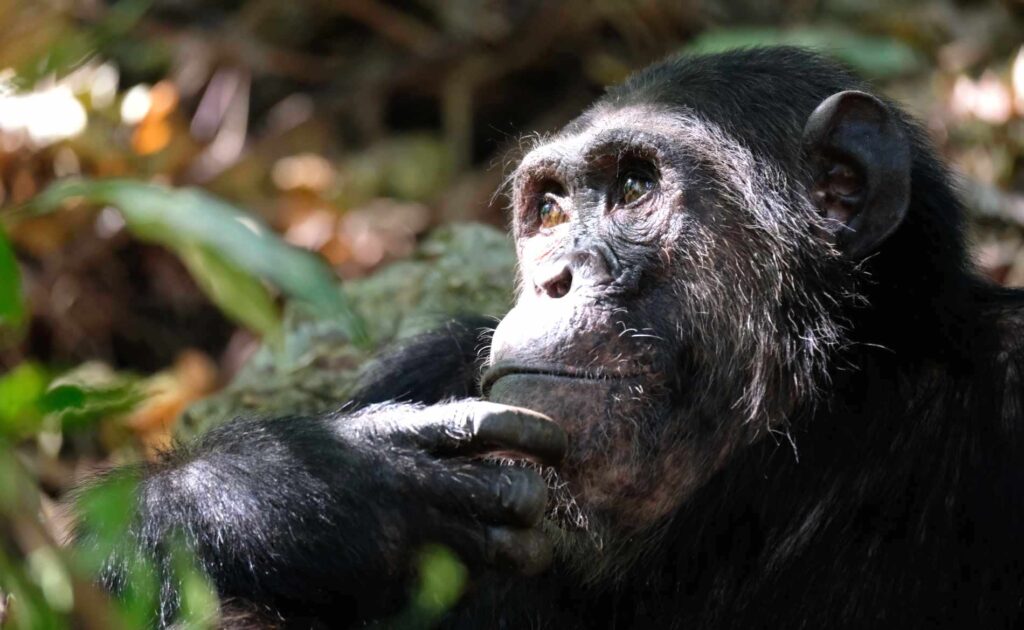
Mahale is best known for its chimpanzees, which are habituated for tracking and observation under strict guidelines. Trekking to observe these primates in their natural environment is the park’s defining experience.
In addition to chimpanzees, Mahale supports several other primate species, including red colobus, red-tailed monkeys, blue monkeys, and olive baboons, all adapted to forest life.
Forest Wildlife and Biodiversity:
While large savannah mammals are absent, Mahale’s forests support a wide range of smaller mammals, reptiles, amphibians, and insects. The diversity of plant life is exceptional, with ancient trees, lianas, and understory plants forming complex forest layers.
Best Time and Seasons to Visit Mahale Mountains National Park
The best time to visit Mahale Mountains National Park is influenced by rainfall patterns and trekking conditions rather than wildlife migration.
Drier months offer easier trekking conditions, with firmer trails and more predictable chimpanzee movement. During this period, chimpanzees tend to stay closer to lower slopes, making tracking more accessible.
Wetter months bring lush forest growth, dramatic scenery, and heightened ecological activity. Trekking becomes more challenging due to muddy and steep trails, but the forest is at its most vibrant.
Travelers should choose their timing based on physical ability, trekking experience, and interest in photography or research-focused travel.
Activities in Mahale Mountains National Park
Chimpanzee trekking is the core activity in Mahale. Guided by experienced trackers and rangers, visitors hike through forest terrain to locate chimpanzee groups and observe their behavior at close range.
Trekking difficulty varies daily depending on chimpanzee movement and terrain, making physical fitness an important consideration.
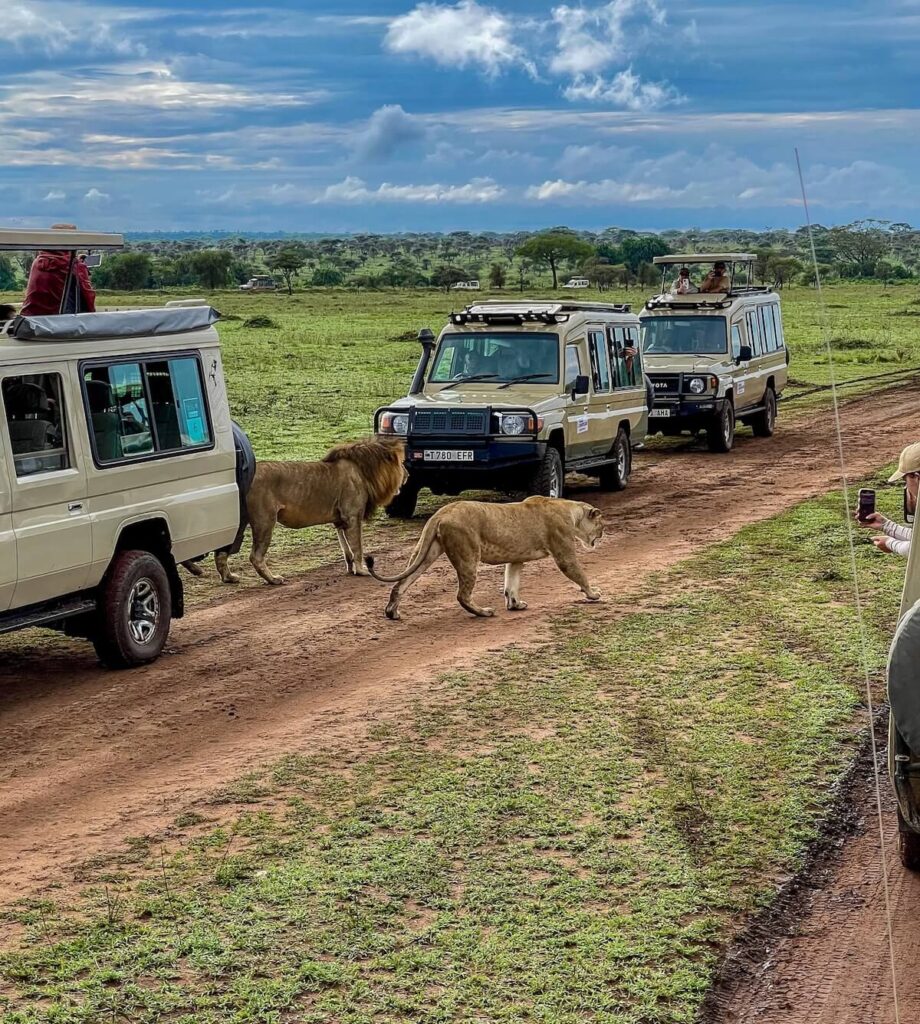
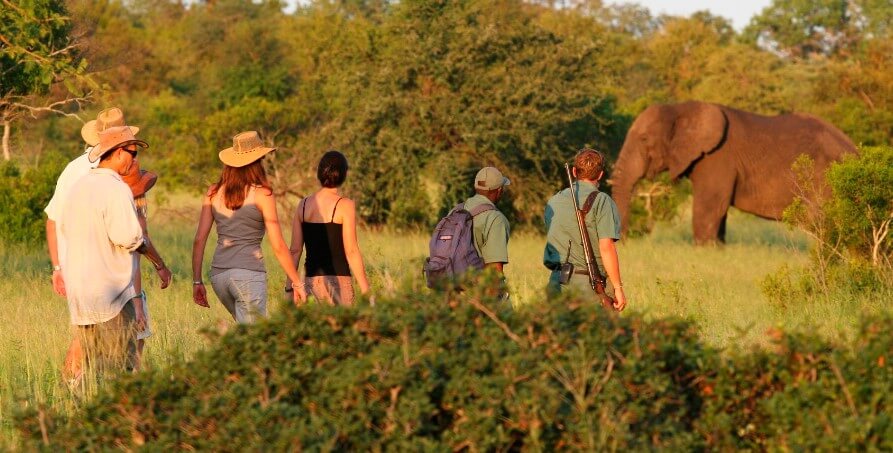
Guided forest walks offer opportunities to learn about plant species, animal tracks, and forest ecology. These walks provide context for understanding how chimpanzees and other species interact with their environment.
Boat excursions along the shoreline allow visitors to explore remote beaches, observe birdlife, and enjoy the scale of Lake Tanganyika. Swimming and snorkeling are possible in designated areas, offering a refreshing contrast to forest trekking.
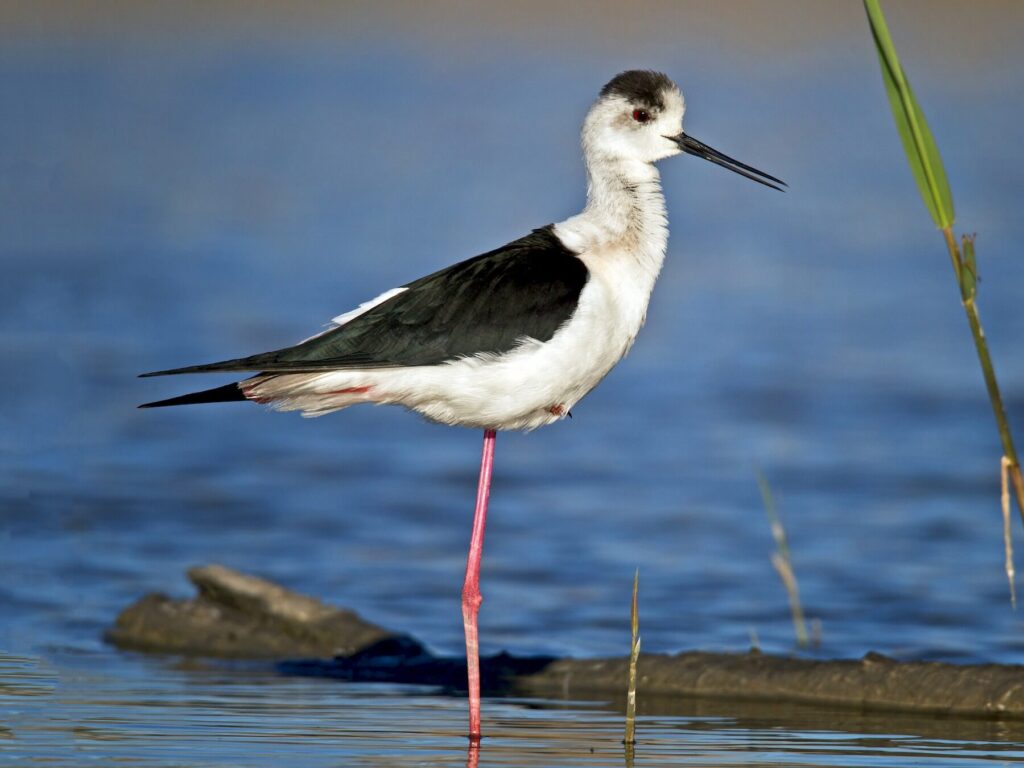
Accommodation in Mahale Mountains National Park
Luxury and Safari Lodges
Greystoke Mahale
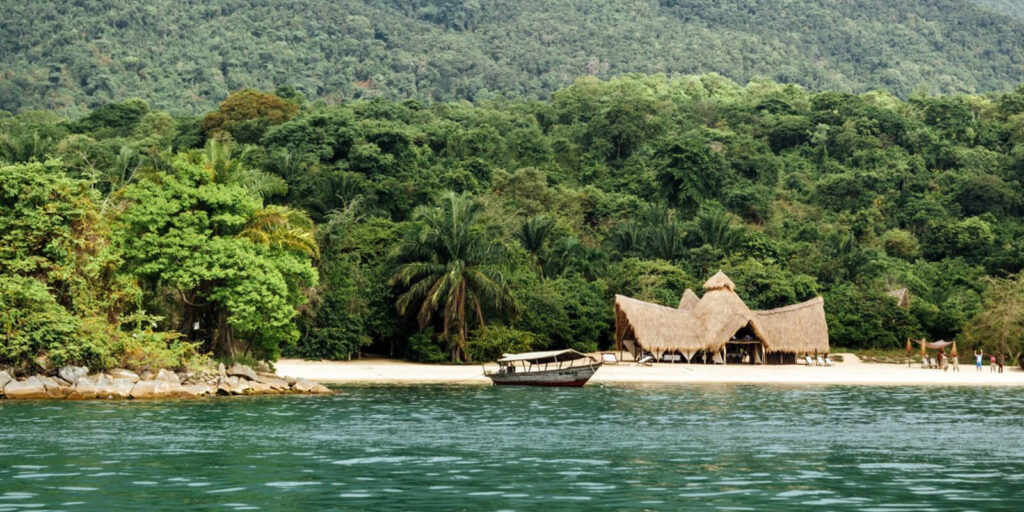
Greystoke Mahale is the most established and iconic lodge in the park. Set directly on the shores of Lake Tanganyika, the lodge’s bandas are constructed from natural materials and positioned to maximize privacy and views of both the lake and surrounding forested mountains.
The lodge offers expert chimpanzee trekking guides, well-organized forest walks, and seamless integration of lake activities such as swimming and boating. Service is attentive yet unobtrusive, allowing guests to focus fully on the natural environment. Greystoke Mahale sets the standard for responsible luxury in one of Africa’s most remote national parks.
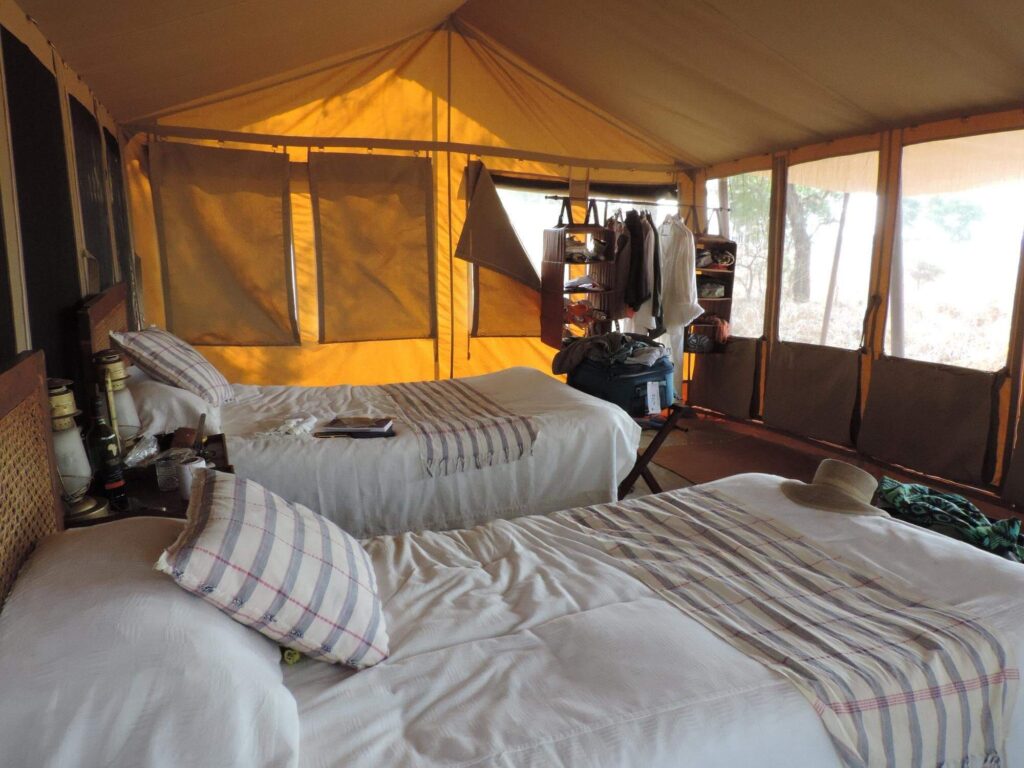
Mid-Range and Eco-Lodges
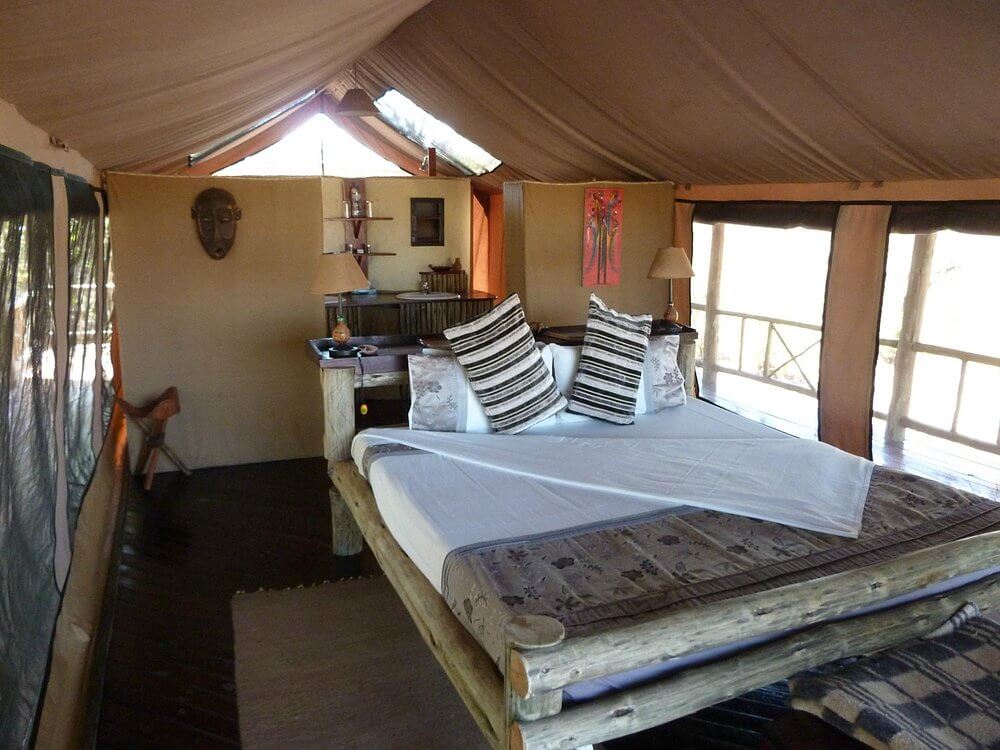
Seasonal eco-camps operate in and around Mahale, providing comfortable tented accommodation with strong emphasis on sustainability and low-impact operations. These camps cater to travelers seeking an immersive wilderness experience without the scale or formality of high-end lodges.
Facilities are designed to be functional, environmentally sensitive, and closely connected to daily trekking and research activities. Availability is limited and typically seasonal, reinforcing Mahale’s exclusivity.
Budget and Research Camps
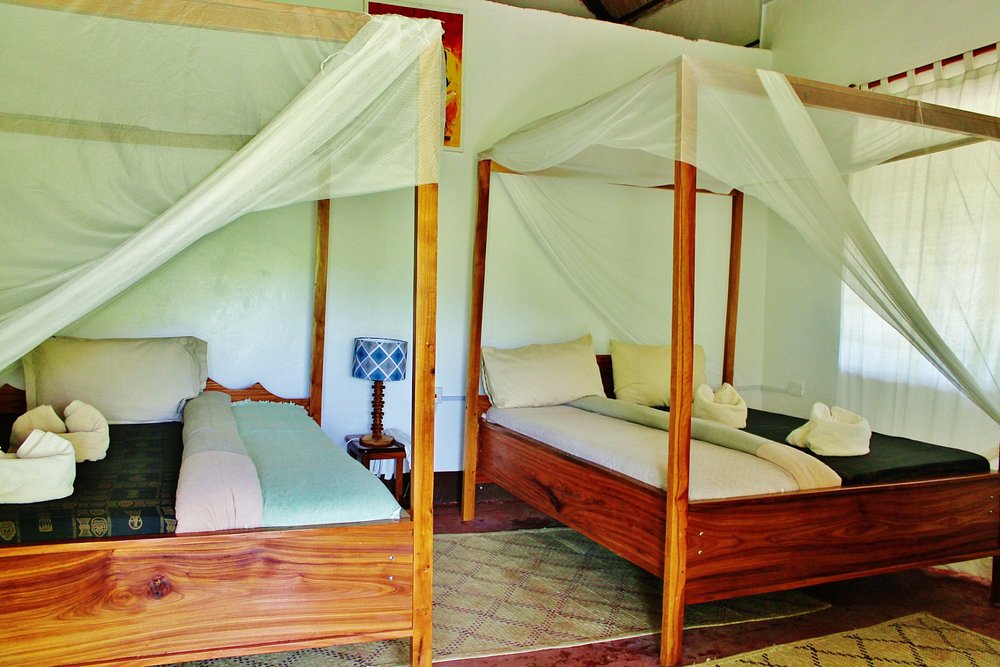
Very limited budget-style accommodation exists in Mahale and is primarily intended for researchers, conservation staff, and long-term study programs. These camps offer basic facilities and are usually accessible only through special arrangements or guided expeditions.
While not designed for general tourism, they play an important role in supporting scientific research and long-term conservation work within the park.
Why Choose Jas Safari for Mahale Mountains National Park
Mahale is a destination that demands careful planning, realistic expectations, and experienced logistical coordination. Jas Safari brings specialized expertise in organizing remote safaris and primate-focused journeys, ensuring that every aspect of the experience is handled with precision.
We coordinate complex air and boat transfers, select guides with deep knowledge of chimpanzee behavior and forest ecology, and design itineraries that balance physically demanding activities with rest and reflection. Safety, ethical wildlife viewing, and respect for research protocols are central to every Mahale itinerary we create.
Safari Packing List for Mahale Mountains National Park
Packing for Mahale Mountains National Park requires thoughtful preparation focused on trekking comfort and adaptability to forest conditions. Sturdy hiking boots with good ankle support are essential, as terrain is often steep, uneven, and slippery.
Lightweight, long-sleeved clothing helps protect against insects and vegetation, while rain gear is critical due to frequent showers. A small daypack is useful for carrying water, snacks, and camera equipment during treks.
Binoculars enhance primate and bird observation, while cameras should be protected against moisture and humidity. Swimwear is recommended for lake activities, and all personal medications should be carried at all times due to the park’s remote location.

Weather and Climate
Mahale Mountains National Park experiences a humid tropical climate influenced by Lake Tanganyika and forested terrain. Temperatures are generally warm throughout the year, but humidity and rainfall significantly affect trekking conditions.
Rainfall patterns influence forest density, trail conditions, and chimpanzee movement. Wetter periods bring lush vegetation and active ecosystems but make trekking more challenging. Drier periods offer easier hiking conditions and more predictable chimpanzee tracking.
Weather can change quickly in mountainous forest environments, making flexibility and preparation essential for a successful visit.
Mahale Mountains National Park Zones and Habitats
Mahale Mountains National Park is defined by forested mountain slopes, clear freshwater beaches, river valleys, and dense tropical rainforest descending to the shores of Lake Tanganyika.
The park can be broadly divided into montane forest, lowland rainforest, lakeshore zones, and interior river systems. Each habitat sustains a unique ecological balance within this remote western Tanzania landscape.
The forested slopes of the Mahale Mountains form the ecological heart of the park, providing critical habitat for one of Africa’s largest wild chimpanzee populations.
Mahale Mountains National Park Safari Experience
Mahale Mountains National Park delivers one of the most profound wildlife experiences in Africa. Tracking wild chimpanzees through ancient forest, observing complex primate behavior, and relaxing along the shores of Lake Tanganyika creates a safari that is both physically demanding and emotionally rewarding.
This is not a destination defined by comfort or convenience, but by depth, authenticity, and genuine connection to nature.
With Jas Safari, Mahale becomes a carefully guided journey into one of Africa’s last great wilderness areas — intimate, challenging, and deeply unforgettable.
Plan Your Mahale Mountains National Park Safari with Jas Safari
A safari in Mahale Mountains National Park offers a rare and intimate wilderness experience shaped by forested mountain slopes and the clear waters of Lake Tanganyika.
Renowned for chimpanzee trekking and untouched rainforest landscapes, Mahale delivers one of Tanzania’s most specialized and secluded safari journeys.
Other Western Related Destinations
Gombe Stream National Park
Mahale Mountains National Park