


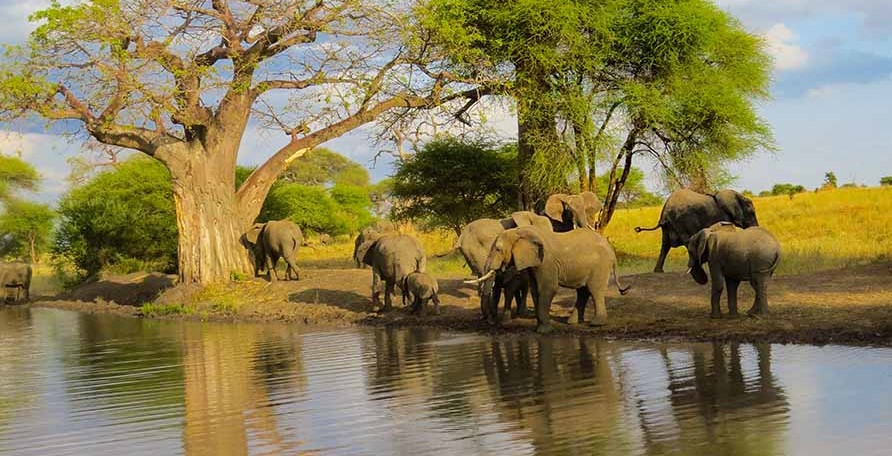
Lake Manyara National Park is one of Tanzania’s most diverse and visually striking safari destinations, renowned for its compact size, dramatic scenery, and remarkable ecological variety. Set beneath the steep western escarpment of the Great Rift Valley, the park offers a safari experience that is intimate, scenic, and richly layered. Within a relatively small area, visitors encounter groundwater forests, open floodplains, alkaline lake shores, and dense woodlands, all supporting a wide range of wildlife.
In the context of Tanzania safari tourism, Lake Manyara National Park plays an important role as both a standalone destination and a complementary park within the northern safari circuit. Its landscapes and wildlife differ noticeably from the open plains of the Serengeti or the enclosed ecosystem of Ngorongoro Crater. Jas Safari values Lake Manyara for its ecological diversity, strong birdlife, and the opportunity it offers travelers to experience varied habitats in a single day of exploration.
Lake Manyara National Park is located in northern Tanzania, approximately 125 kilometers west of Arusha, between the Ngorongoro Highlands and the floor of the Great Rift Valley. The park covers around 330 square kilometers, of which nearly two-thirds is occupied by Lake Manyara itself during periods of high water.
Although smaller than many of Tanzania’s flagship parks, Lake Manyara’s position within the northern safari circuit makes it strategically important. It lies along the natural travel route between Arusha, Tarangire National Park, Ngorongoro Conservation Area, and Serengeti National Park. Ecologically, the park forms part of a broader wildlife landscape connected through seasonal movement corridors rather than large-scale migration systems.
Lake Manyara National Park was established in 1960, primarily to protect its unique groundwater forest and the fragile ecosystems surrounding the alkaline lake. The park was recognized early for its ecological value, particularly its role in conserving habitats that were increasingly threatened by agricultural expansion and settlement in surrounding areas.
While Lake Manyara is not a UNESCO World Heritage Site, it contributes significantly to regional conservation by protecting key habitats and supporting wildlife movement between neighboring ecosystems. Conservation efforts focus on water management, habitat protection, and maintaining biodiversity in a landscape where wildlife and human activity exist in close proximity.
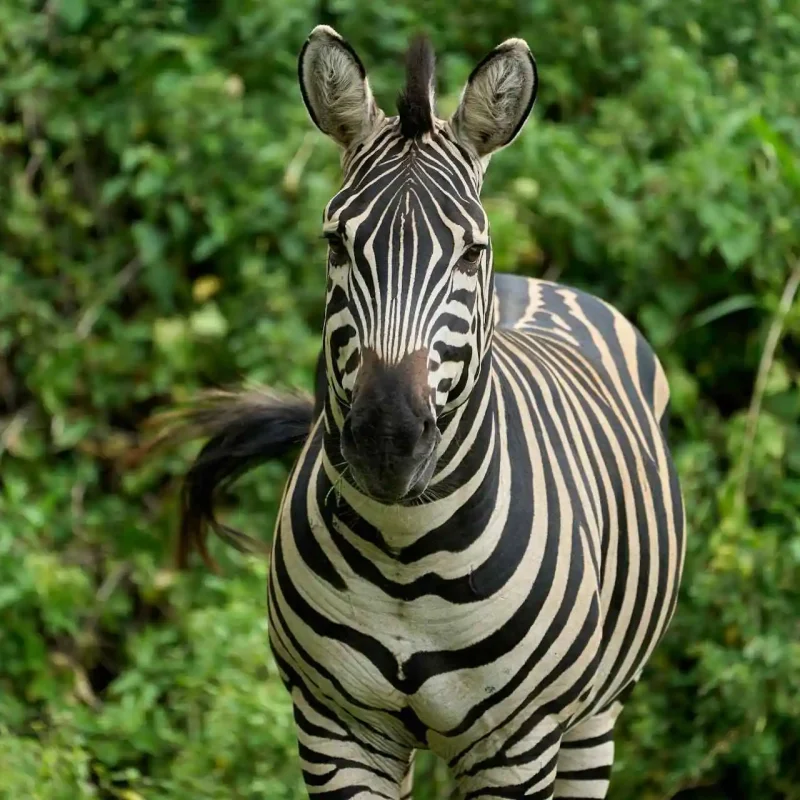
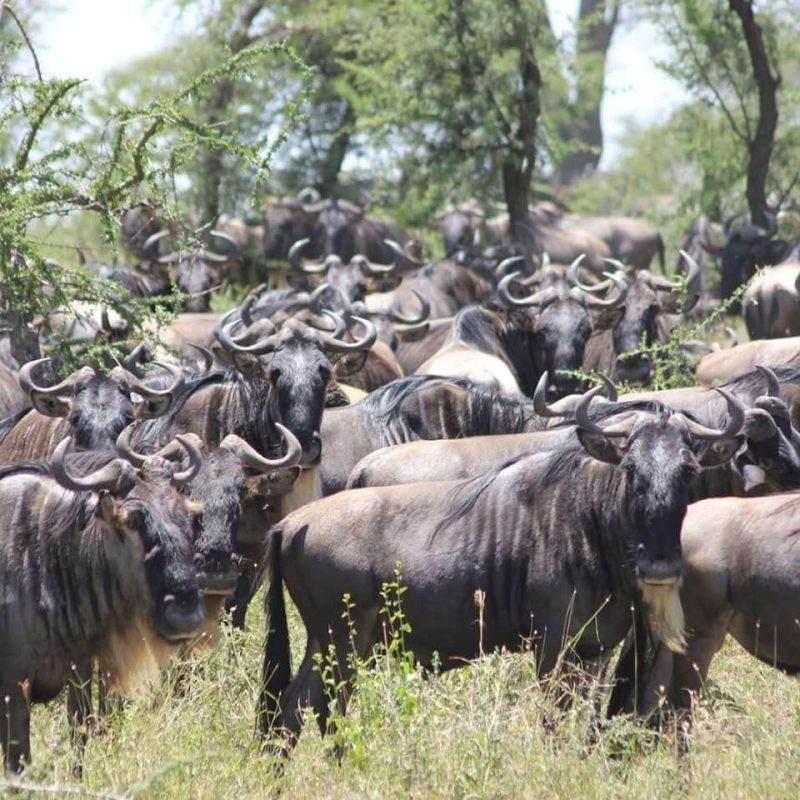
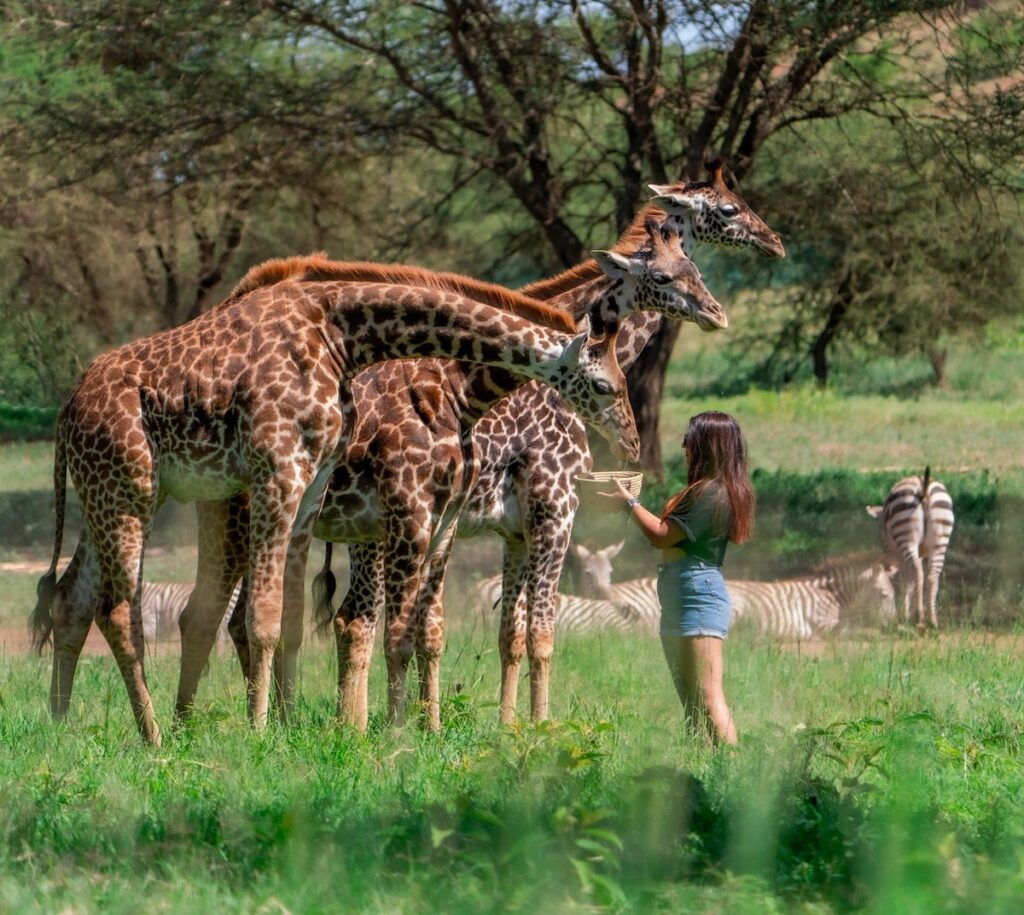
The park supports a healthy population of large mammals, including elephants, buffalo, giraffe, wildebeest, zebra, and hippos.
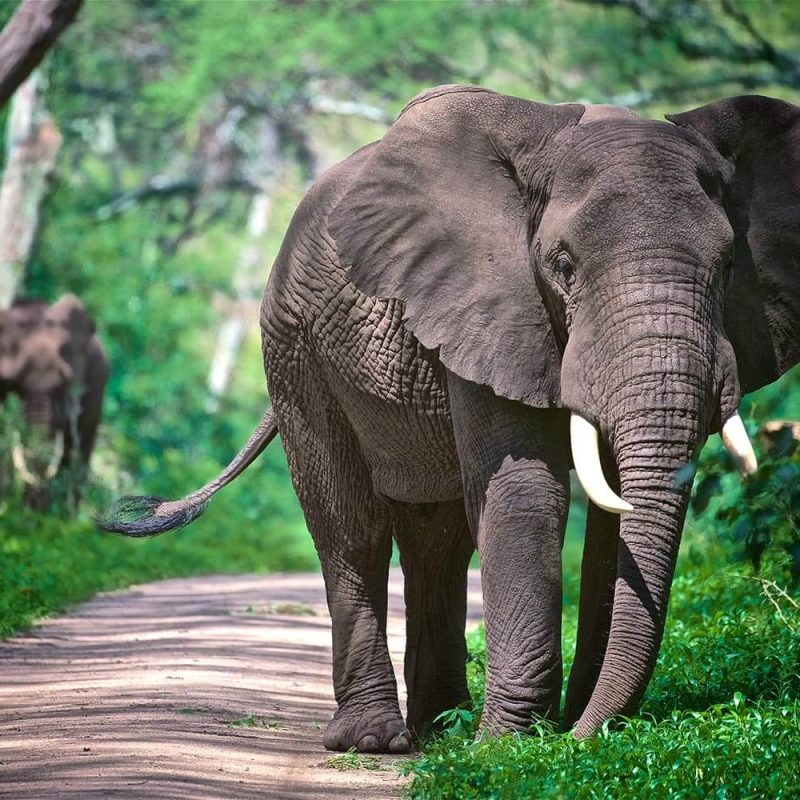
Elephant sightings are particularly notable, with family groups often seen moving through the forest and open areas near the lake shore. The presence of permanent water sources allows wildlife to remain within the park throughout much of the year.
Lake Manyara is known for its lion population, which has historically displayed tree-climbing behavior, particularly in the park’s acacia woodlands.
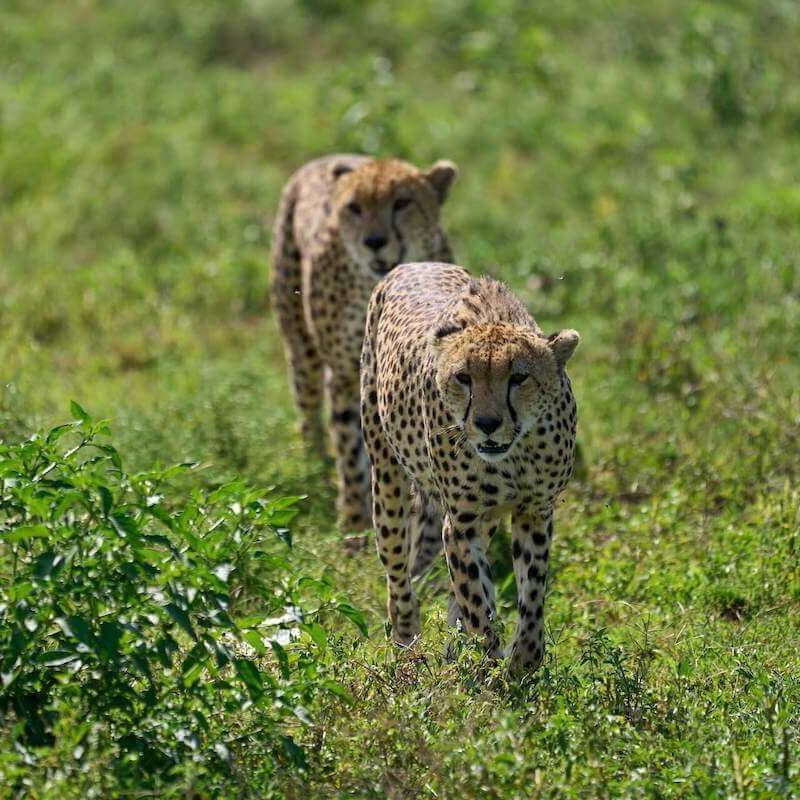
Leopards are present but elusive, while spotted hyenas and smaller predators such as jackals are occasionally encountered. Predator sightings tend to be subtle and reward patient observation.
Lake Manyara can be visited throughout the year, with each season offering different advantages. The dry season, from June to October, provides easier wildlife viewing as animals gather near water sources and vegetation becomes less dense. Road conditions are generally favorable during this period.
The green season, from November to May, transforms the park into a lush landscape. This is the best time for birdwatching, as migratory species arrive and breeding activity increases. Wildlife viewing remains rewarding, though some animals disperse more widely across the park during wetter months.
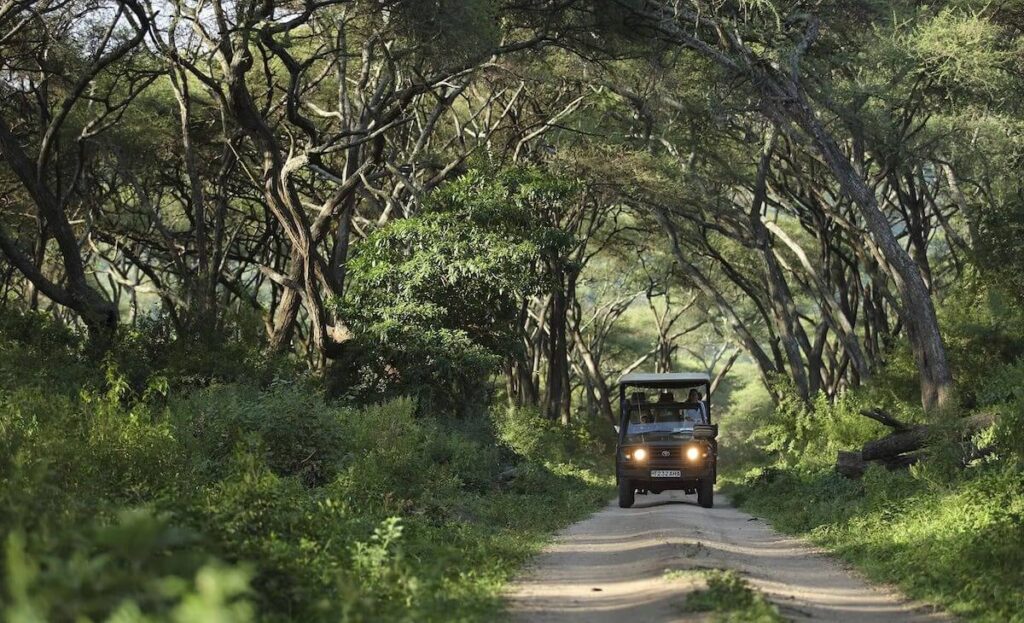
Game drives are the primary safari activity in Lake Manyara National Park. Drives pass through forested areas, open plains, and along the lake shore, offering varied wildlife encounters within a relatively short time frame.
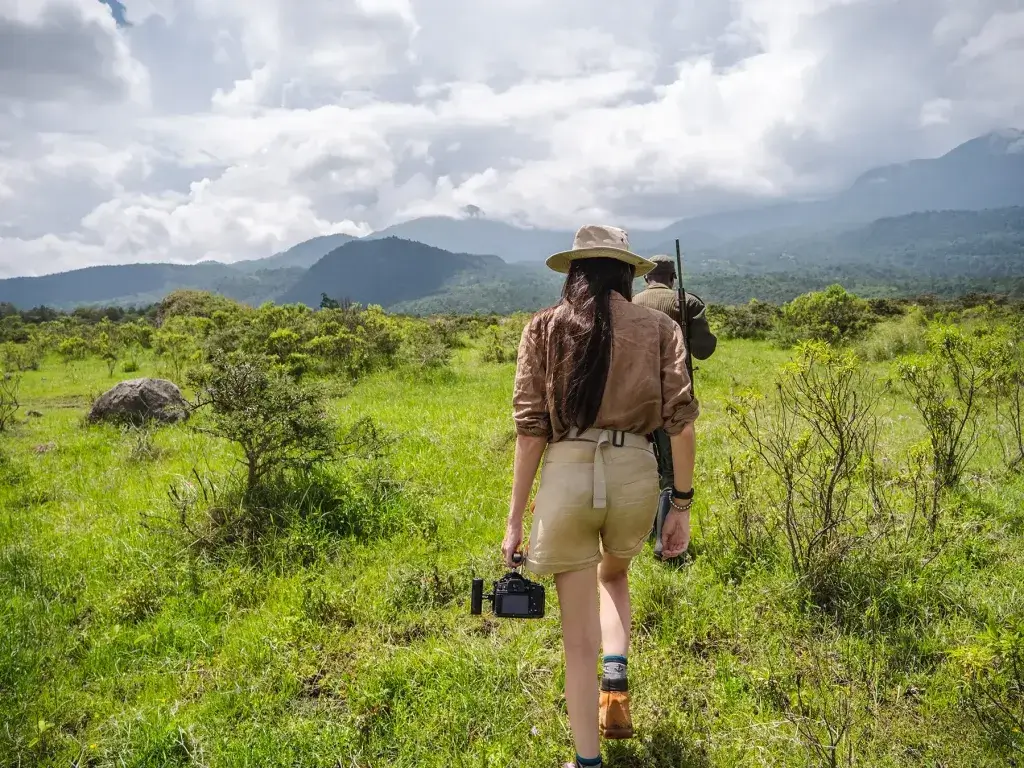
Guided walking safaris are permitted in designated areas outside the main park boundaries.
These walks focus on tracking, plant identification, and understanding the smaller components of the ecosystem.
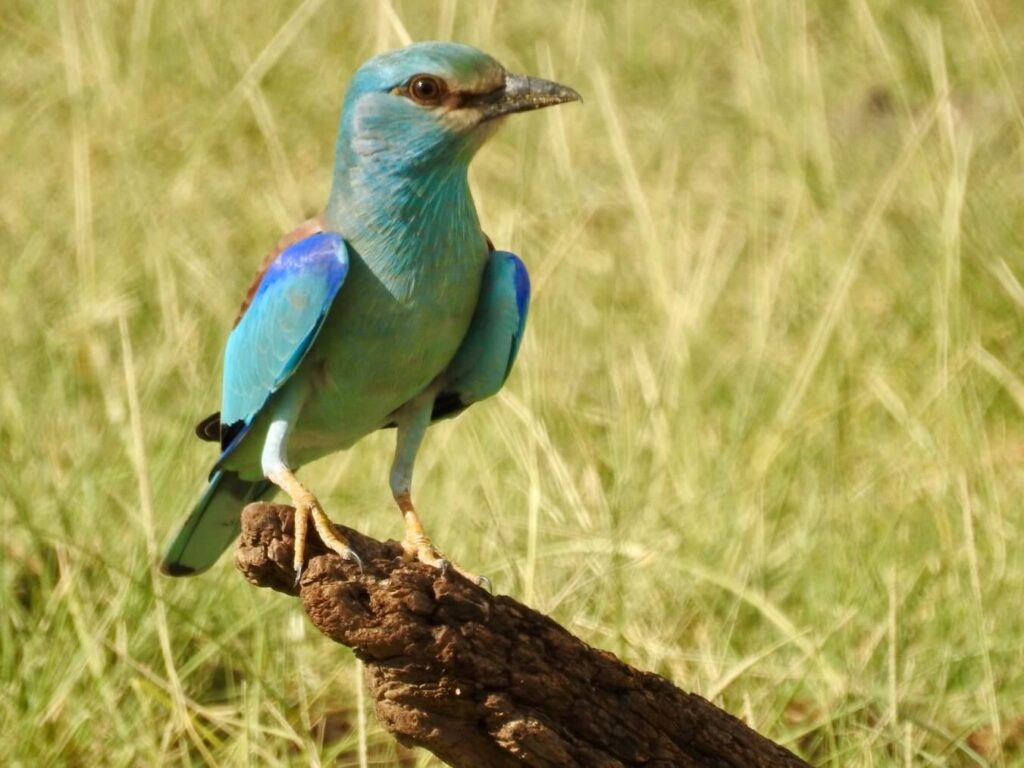
Lake Manyara is one of Tanzania’s premier birding destinations, with more than 400 recorded species.
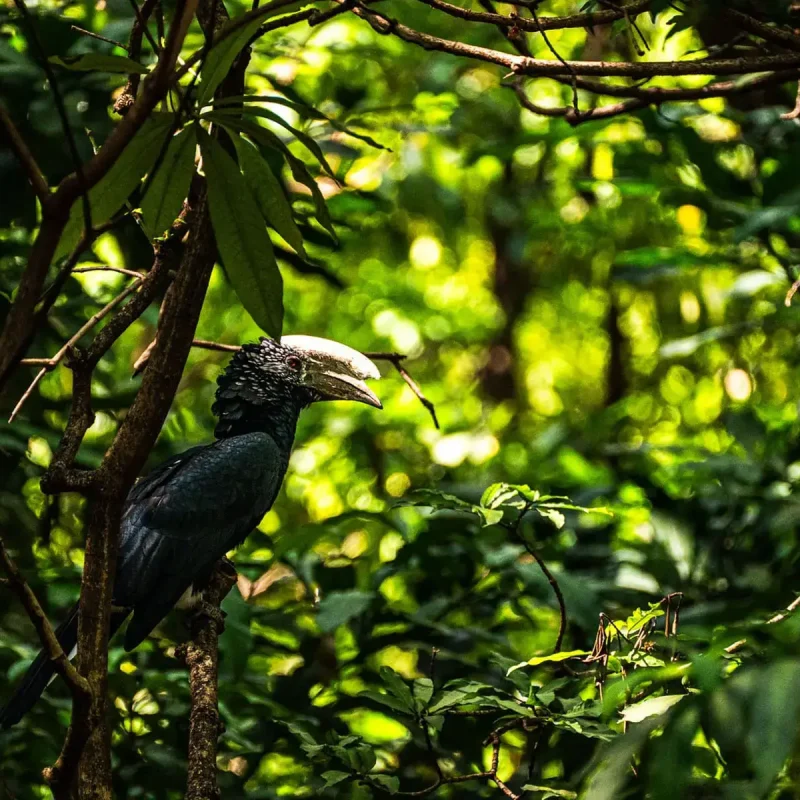
Flamingos, pelicans, storks, hornbills, and birds of prey are commonly seen, particularly around the lake and wetland areas.
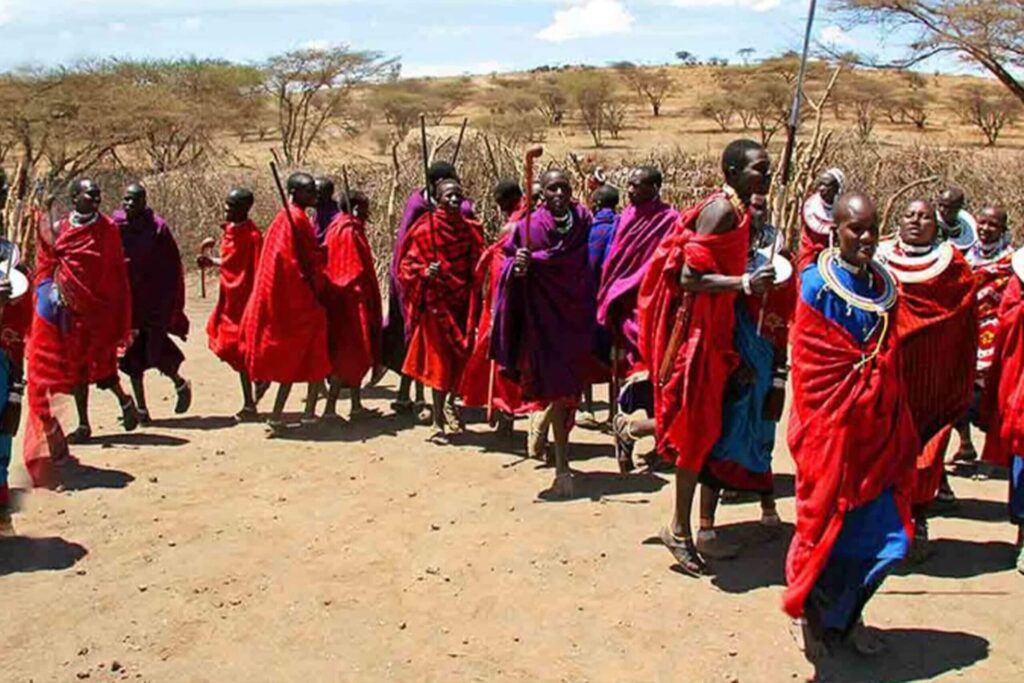
Cultural visits near Lake Manyara offer insight into local traditions and rural life. These experiences provide context to the relationship between people, agriculture, and conservation in the region.
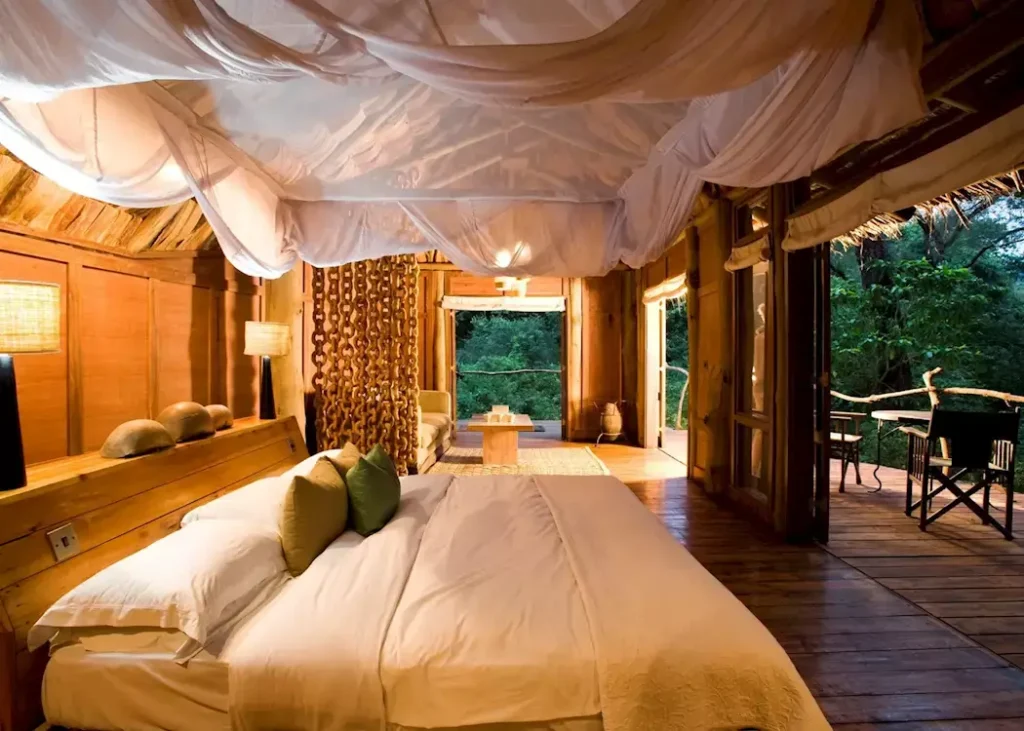
Luxury lodges near Lake Manyara emphasize scenic views, comfort, and privacy. Many are positioned on elevated ground, offering panoramic vistas across the lake and escarpment. These properties typically feature spacious rooms, attentive service, and thoughtful design that reflects the surrounding landscape.
Mid-range lodges and camps provide comfortable rooms, reliable facilities, and convenient access to the park. Budget accommodations focus on simplicity and practicality, offering clean and functional lodging suited to travelers prioritizing wildlife experiences over amenities.
Jas Safari brings local expertise and careful planning to every Lake Manyara safari. The team designs itineraries that balance Lake Manyara with other northern parks, selects accommodation based on location and season, and provides professional guides with strong knowledge of the park’s ecology.
Packing for Lake Manyara should include lightweight clothing suitable for warm days, a light jacket for early mornings, sun protection, binoculars, camera equipment, personal medications, and essential travel documents.
Lake Manyara experiences a warm climate influenced by its low elevation and proximity to the Rift Valley.
Daytime temperatures are generally moderate to warm, with seasonal rainfall affecting vegetation density and wildlife distribution.
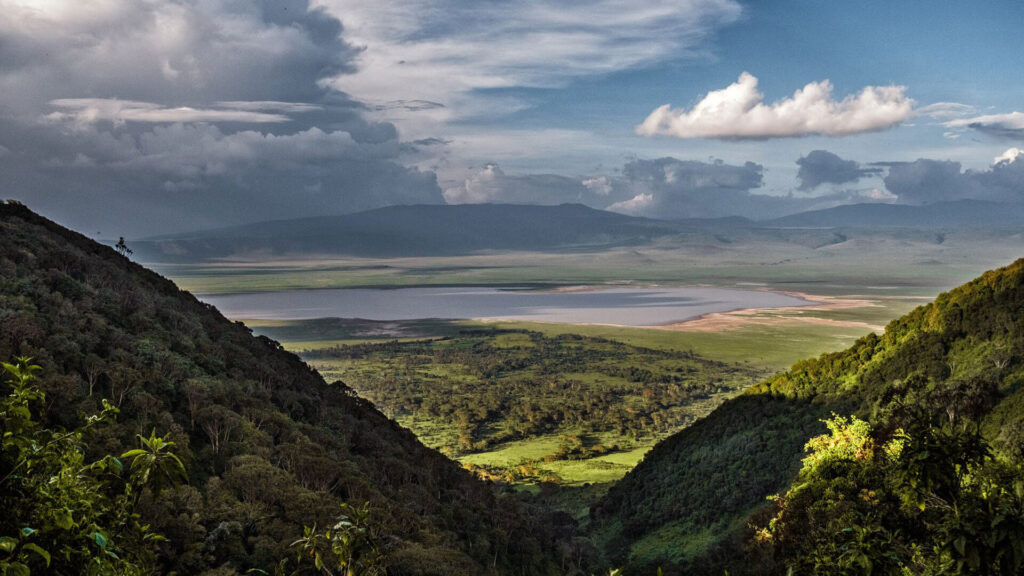
The park can be broadly divided into groundwater forest, open floodplains, alkaline lake shoreline, and acacia woodland. Each habitat supports different wildlife species and contributes to the park’s ecological diversity.
While Lake Manyara is not part of the Great Wildebeest Migration, it plays an important supporting role within the northern Tanzania safari circuit.
Its varied habitats complement larger parks such as Serengeti and Ngorongoro, adding ecological diversity and depth to multi-park itineraries.
A Lake Manyara National Park safari offers a concentrated and scenic wildlife experience defined by diversity and contrast. With thoughtful planning and knowledgeable guiding, Jas Safari helps travelers explore Lake Manyara as an essential part of a well-rounded Tanzania safari.