Dolphin Tour
Tour Overview
A Dolphin Tour in Zanzibar is one of the most talked-about excursions on the island and also one of the most misunderstood. For some travelers, it’s imagined as a guaranteed swim beside playful dolphins in crystal-clear water. For others, it raises questions about ethics and animal welfare. The reality sits somewhere in between, shaped by location, timing, guide choices, and traveler expectations.
When done responsibly, a dolphin tour can be a quiet, humbling encounter with wild animals in their natural environment. It can also offer a glimpse into coastal village life and Zanzibar’s long relationship with the sea. When done poorly, it can feel rushed, crowded, and uncomfortable for both visitors and dolphins.
Understanding what a Dolphin Tour really involves before you go is essential. This is not an amusement-park experience. It’s a wildlife encounter, governed by tides, weather, and the dolphins themselves. Approached with patience and respect, it can become one of the more meaningful mornings you spend in Zanzibar.
What a Dolphin Tour is Really About
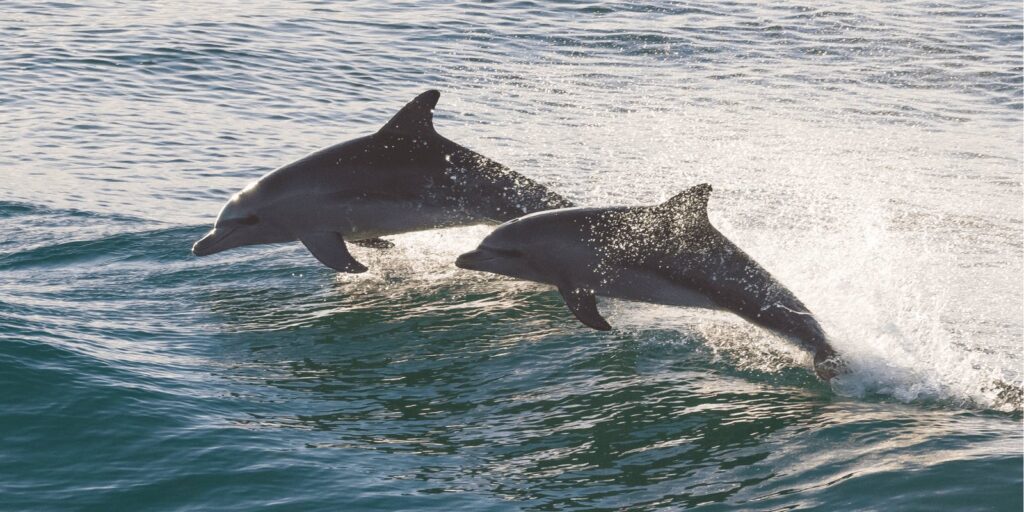
At its best, a Dolphin Tour in Zanzibar is about observation first, interaction second and sometimes not at all. The dolphins found off Zanzibar’s coast are wild Indo-Pacific bottlenose and humpback dolphins. They are not trained, fed, or confined. They choose whether to appear, how long to stay, and how close to come.
The experience is as much about learning restraint as it is about excitement. Responsible guides prioritize locating dolphins calmly, maintaining distance, and allowing travelers to observe their behavior surfacing, traveling in pods, caring for calves without pressure.
What makes this experience unique in Zanzibar is its small-scale, local nature. Most tours are run by fishermen-turned-guides from coastal villages, using simple wooden boats. There’s no polished infrastructure, and that rawness can be refreshing or challenging depending on expectations.
Compared to dolphin encounters elsewhere in the world, Zanzibar’s version feels less controlled and more unpredictable. That unpredictability is exactly what makes it authentic.
Where Dolphin Tours Take Place in Zanzibar
Most Dolphin Tours operate along the southern coast of Unguja Island, particularly near the fishing village of Kizimkazi. This area is known for its deeper coastal waters and regular dolphin sightings, especially in the early morning.
Kizimkazi itself is a quiet, working village with coral-stone houses, small mosques, and fishing boats pulled up along the shore. It feels far removed from Zanzibar’s resort areas, offering travelers a glimpse into everyday coastal life.
From Stone Town, Kizimkazi is about a 60–75 minute drive. From east coast beach areas like Paje or Jambiani, travel time is usually around 45 minutes. The journey passes through villages, farmland, and open countryside, gradually revealing a more rural side of the island.
The Natural Context Behind Dolphin Encounters
Dolphins have long been part of Zanzibar’s marine environment. Local fishermen have shared these waters with them for generations, often seeing dolphins as signs of healthy seas and good fishing grounds.
The dolphins encountered during tours are usually resting, traveling, or feeding. Early mornings are favored because the sea is calmer and dolphins are more active near the surface. This timing is not arbitrary it reflects respect for natural rhythms rather than tourist convenience.
Marine conservation in Zanzibar is still evolving. Responsible dolphin tours play a role in shaping better practices by demonstrating that wildlife encounters can happen without harassment or stress. Choosing ethical operators directly influences how this activity develops in the future.
Getting to the Dolphin Tour Starting Point
Traveling from Stone Town
Most Dolphin Tours include early-morning hotel pick-ups from Stone Town. Expect to leave before sunrise. The drive south is quiet at that hour, with little traffic and cooler air.
Coming from Beach Resorts
From east coast resorts, pick-ups are slightly later but still early. From the north of the island, the journey is longer and may feel demanding, which is why many travelers combine the tour with other southern attractions.
What the Journey Is Like
The drive itself is calm and scenic, though sleepy. Arrival at the village is understated no big signs or crowds, just boats, fishermen, and the smell of the ocean.
What Happens During a Dolphin Tour
A Dolphin Tour usually begins shortly after sunrise. Boats set out quietly, scanning the water for signs of dolphins ripples, fins, or birds indicating movement below the surface.
Once dolphins are located, the approach should be slow and respectful. Good guides avoid chasing or surrounding the animals. Instead, they position the boat at a distance and allow dolphins to move naturally.
Swimming or snorkeling may be offered, but this depends entirely on conditions and dolphin behavior. Ethical guides allow dolphins to approach swimmers if they choose, rather than forcing encounters. There are days when swimming doesn’t happen at all and that’s okay.
After the time on the water, many tours return to shore for a short rest or breakfast, sometimes followed by snorkeling on a nearby reef if conditions allow. The entire experience usually lasts two to three hours, including boat time.

When a Dolphin Tour Is Most Enjoyable
The best time for a Dolphin Tour in Zanzibar is during the dry seasons, from June to October and January to February. Sea conditions are calmer, visibility is better, and mornings are more comfortable.
Tours operate year-round, but during the rainy season from March to May, rougher seas can limit visibility and comfort. Dolphin sightings may still occur, but conditions are less predictable.
Early morning is essential. Later in the day, the sea becomes busier and warmer, and dolphins tend to move farther offshore. If you’re not a morning person, this may not be the right activity.
Who a Dolphin Tour Is Best For
A Dolphin Tour suits travelers who value wildlife ethics and understand that nature does not perform on demand. Couples and solo travelers often appreciate the quiet, early-morning atmosphere.
Confident swimmers may enjoy the possibility of entering the water, though swimming is optional. Families with older children can participate, but parents should manage expectations carefully.
This experience may not suit travelers who expect guaranteed close encounters or who feel uncomfortable with uncertainty. It’s also not ideal for those prone to seasickness, as boats are small and conditions can vary.
What to Wear and What to Bring
Wear swimwear under light clothing for easy transitions. Bring a towel, reef-safe sunscreen, and a hat for the boat ride. Water shoes or sandals are useful on rocky shores. Snorkeling gear is often provided, but bringing your own ensures comfort and fit. A dry bag helps protect phones and cameras from spray.
Avoid heavy bags and valuables. Mornings can be cool on the water, so a light layer is helpful.
What’s Usually Included and What Isn’t
Most Dolphin Tours include transportation, boat fees, and a local guide. Snorkeling equipment is sometimes included but varies by operator. Food, drinks, and tips are usually extra. Some tours combine dolphin viewing with reef snorkeling or a visit to nearby villages, but this should be confirmed in advance.
Private tours offer more flexibility and a calmer experience, while shared tours are more affordable but busier.
Safety, Ethics, and Responsible Dolphin Watching
Responsible dolphin tours follow clear principles: no chasing, no crowding, no touching, and no feeding. Swimmers should enter the water calmly and exit if dolphins move away. If a tour feels rushed or aggressive, it’s okay to speak up or to choose not to participate in swimming. Your comfort matters as much as the animals’ well-being.
Sea conditions should always be respected. Life jackets should be available, and guides should prioritize safety over sightings.
Things Many Visitors Don’t Expect
Some days, dolphins keep their distance. That doesn’t mean the tour failed it means the animals made their choice.
The experience is quieter and shorter than many imagine. There is no soundtrack, no announcement, just the sea and occasional movement.
Choosing the right operator makes all the difference. Asking about group size and dolphin-friendly practices before booking can completely change how the experience feels.
How a Dolphin Tour Fits into a Zanzibar Itinerary
A Dolphin Tour works best early in a Zanzibar stay, when waking up before dawn feels manageable. It’s usually a half-day activity, leaving the rest of the day free for rest or beach time.
Many travelers combine it with visits to southern Zanzibar, such as local villages or coastal snorkeling spots, making the long drive more worthwhile.
A Dolphin Tour is not about spectacle. It’s about humility about entering the ocean on its terms and accepting whatever it offers.
When approached with the right mindset, it becomes less about ticking an activity off a list and more about sharing a quiet moment with the wild side of Zanzibar.