Arusha National Park
Overview
Arusha National Park is one of Tanzania’s most scenic and diverse national parks, offering an intimate safari experience shaped by dramatic landscapes rather than sheer wildlife numbers. Located at the foothills of Mount Meru, the park combines montane forest, open grasslands, crater lakes, and volcanic features within a compact area, creating one of the most visually rich protected areas in East Africa.
Unlike large savannah parks, Arusha National Park is valued for its ecological diversity, walking safari opportunities, and close proximity to Arusha city. It plays an important role in Tanzania safari tourism as a gateway park, ideal for short safaris, day trips, acclimatization before Kilimanjaro climbs, and travelers seeking a quieter, nature-focused experience.
For guests traveling with Jas Safari, Arusha National Park offers a refined introduction to Tanzania’s wilderness, blending wildlife encounters, scenic beauty, and guided exploration on foot.
Location and Size of the Park
Arusha National Park is located in northern Tanzania, approximately a short drive from Arusha city. The park lies between Mount Kilimanjaro and Mount Meru, forming part of the northern highland conservation landscape.
Covering a relatively small area compared to Tanzania’s larger parks, Arusha National Park is remarkably diverse. Its compact size allows visitors to experience multiple ecosystems in a single day, including montane rainforest, crater lakes, open plains, and alpine zones on Mount Meru.
Rather than being part of a large migration system, the park functions as an ecological refuge for highland species and forest wildlife adapted to cooler climates and volcanic terrain.
Historical and Conservation Importance
Arusha National Park has long been protected for its unique landscapes and ecological value. Initially established to safeguard Mount Meru and its surrounding habitats, the park plays a crucial role in conserving montane forest ecosystems that are increasingly rare across East Africa.
The park protects important water catchment areas, forest biodiversity, and volcanic landforms while supporting stable populations of herbivores and forest-dwelling species. Its conservation value lies not in mass wildlife movement, but in preserving fragile highland ecosystems and providing space for species that thrive outside open savannah environments. Arusha National Park also serves as a key research and education area, particularly for forest ecology, primate behavior, and volcanic geography.
Attractions Found in Arusha National Park
Wildlife and Species Diversity:
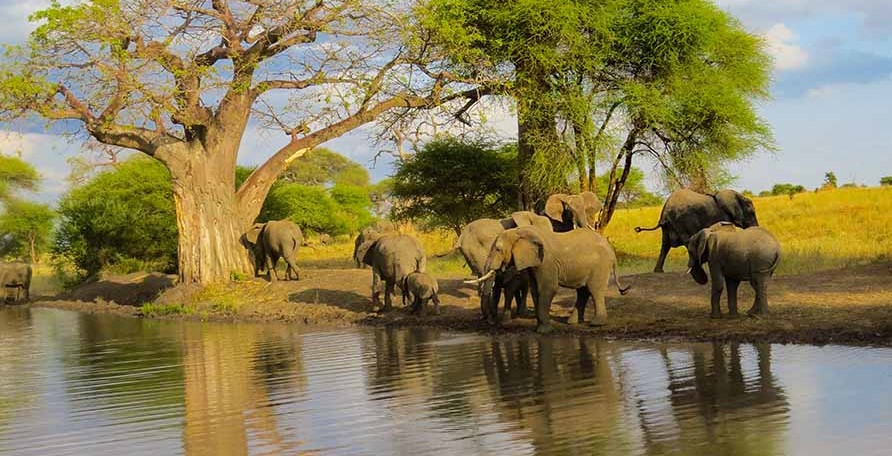
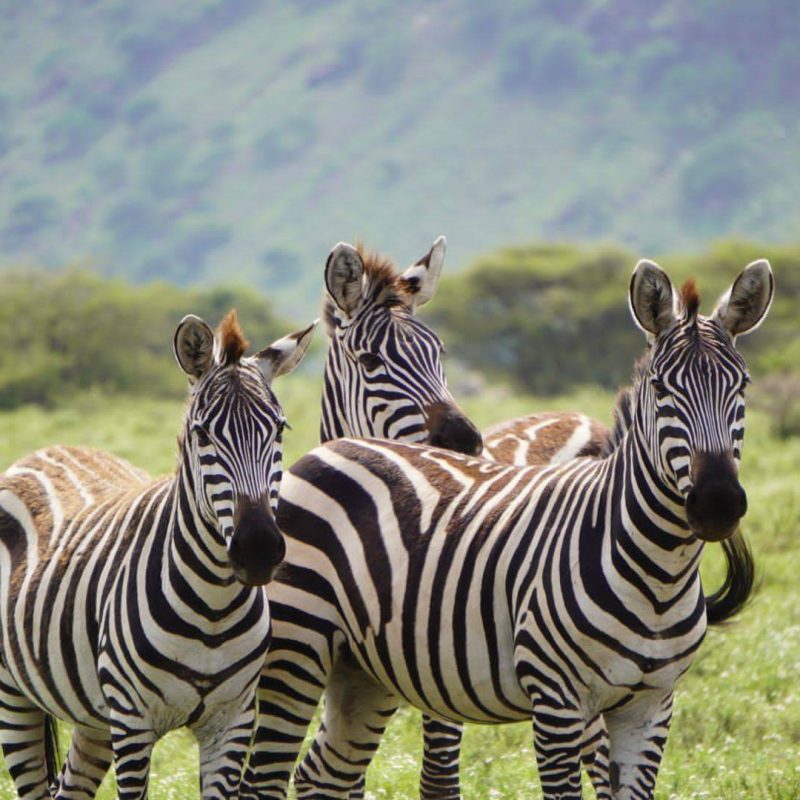
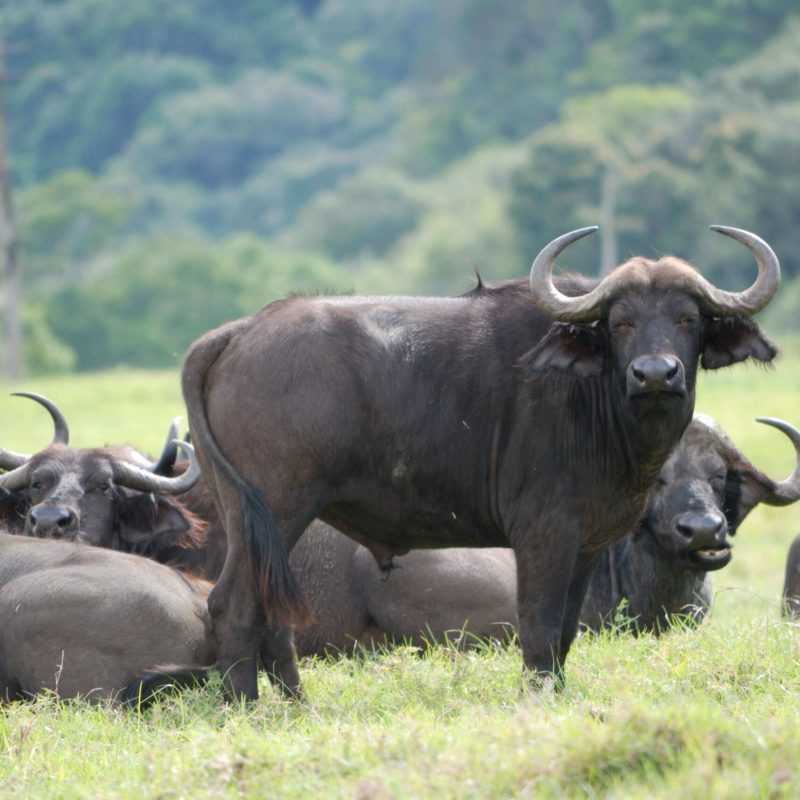
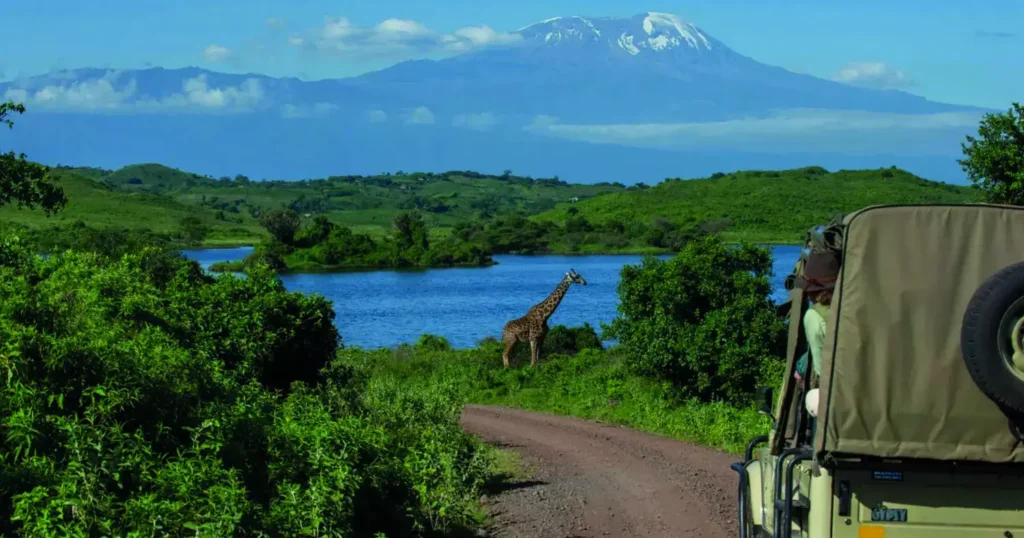
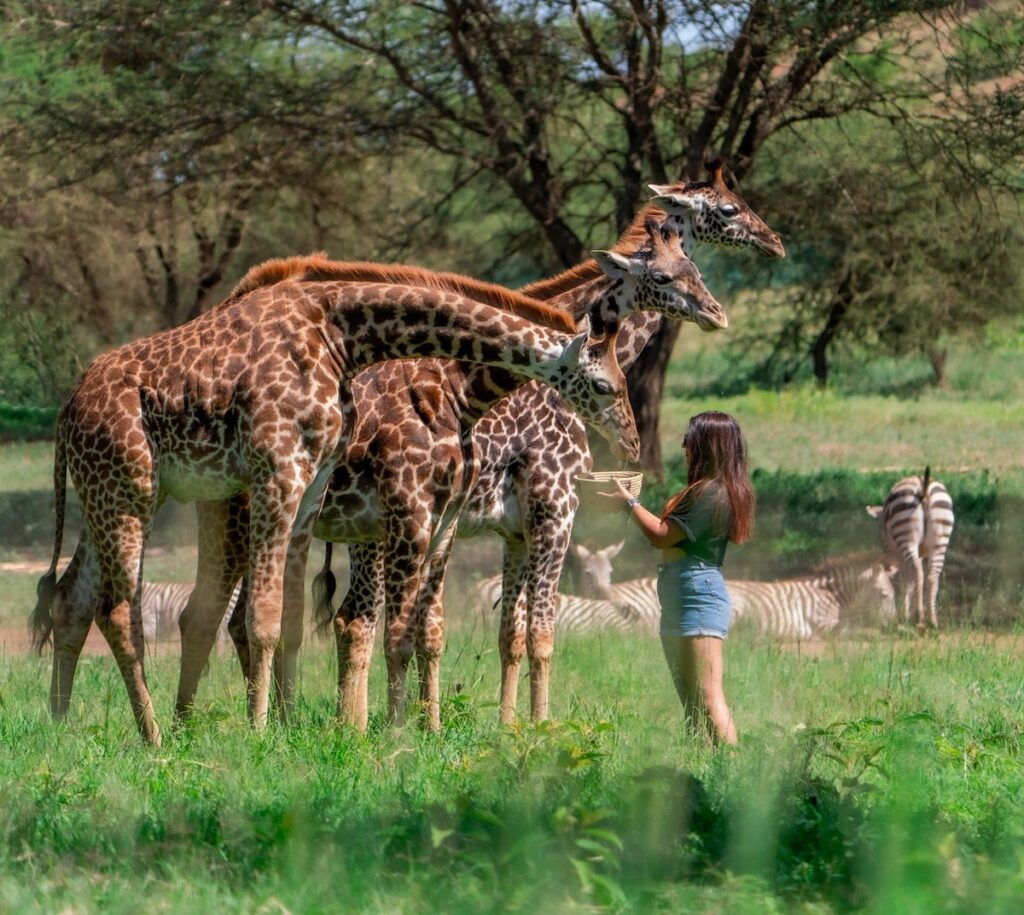
Wildlife in Arusha National Park is diverse but selective. Large predators are rare, creating a calm safari atmosphere well suited to walking experiences. Commonly encountered species include giraffes, buffalo, zebras, warthogs, bushbucks, and waterbucks.
The park is especially known for its primate populations, including black-and-white colobus monkeys and blue monkeys inhabiting the montane forest.
Scenic Landscapes and Natural Features:
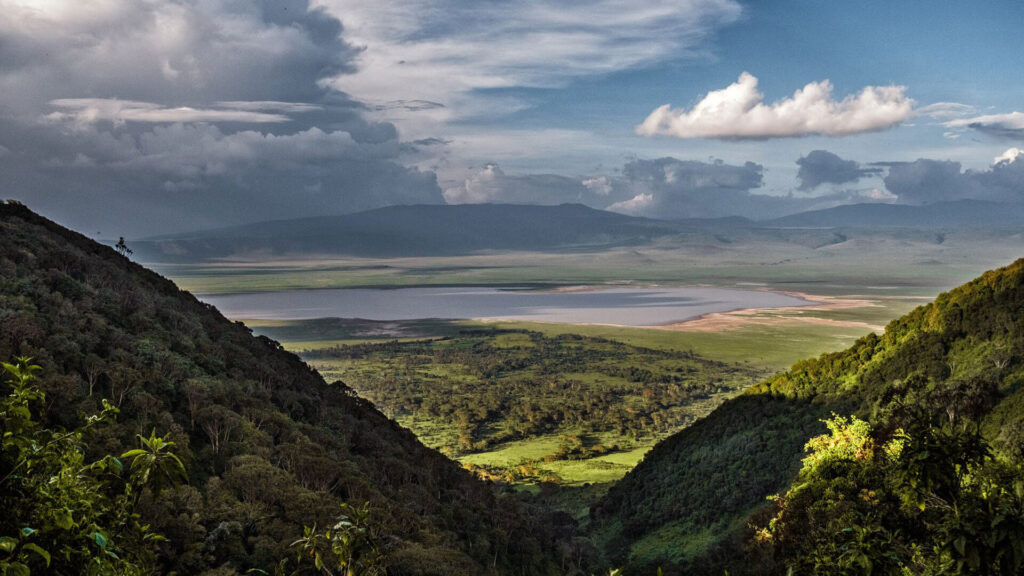
Arusha National Park is defined by its scenery. Highlights include the Ngurdoto Crater, often referred to as a miniature volcanic caldera, the Momela Lakes with their shifting colors, and dense forest slopes rising toward Mount Meru.
On clear days, views of Mount Kilimanjaro are visible from higher elevations, adding to the park’s photographic appeal.
Best Time and Seasons to Visit Arusha National Park
Dry Season Experience:
During drier months, trails are more accessible, and wildlife is easier to observe around water sources. Walking safaris are particularly comfortable, and views of Mount Meru and Kilimanjaro are often clearer. This season is ideal for travelers focused on hiking, photography, and relaxed game viewing.
Green Season Experience:
The green season transforms the park into a lush highland landscape. Forests are vibrant, waterfalls are active, and birdlife increases significantly. While trails can be muddy, the scenery is at its most dramatic, making this period appealing to photographers and birdwatchers.
![Arusha National Park2] (1)](https://jassafari.com/wp-content/uploads/elementor/thumbs/Arusha-National-Park2-1-rjkj8cpr3gesb4q4x33ohq6xckj6k6eqgwh0uwzwhs.jpeg)
Safari Activities in Arusha National Park
Game drives in Arusha National Park are scenic and unhurried, focusing on herbivores, forest wildlife, and landscapes rather than predator tracking.
Drives explore grasslands, crater rims, and lake systems, offering varied viewing in a short time.
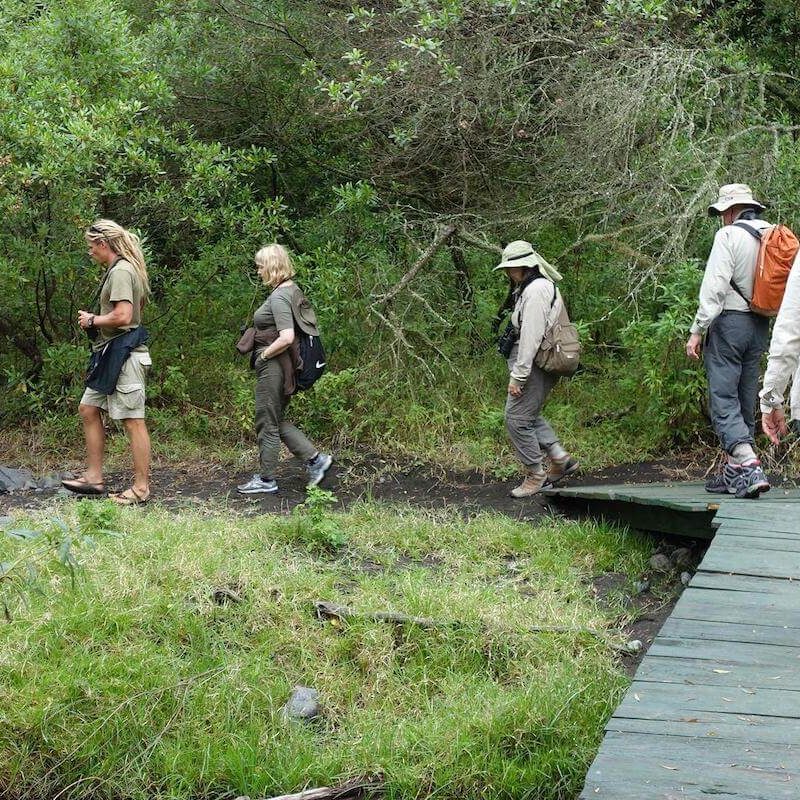
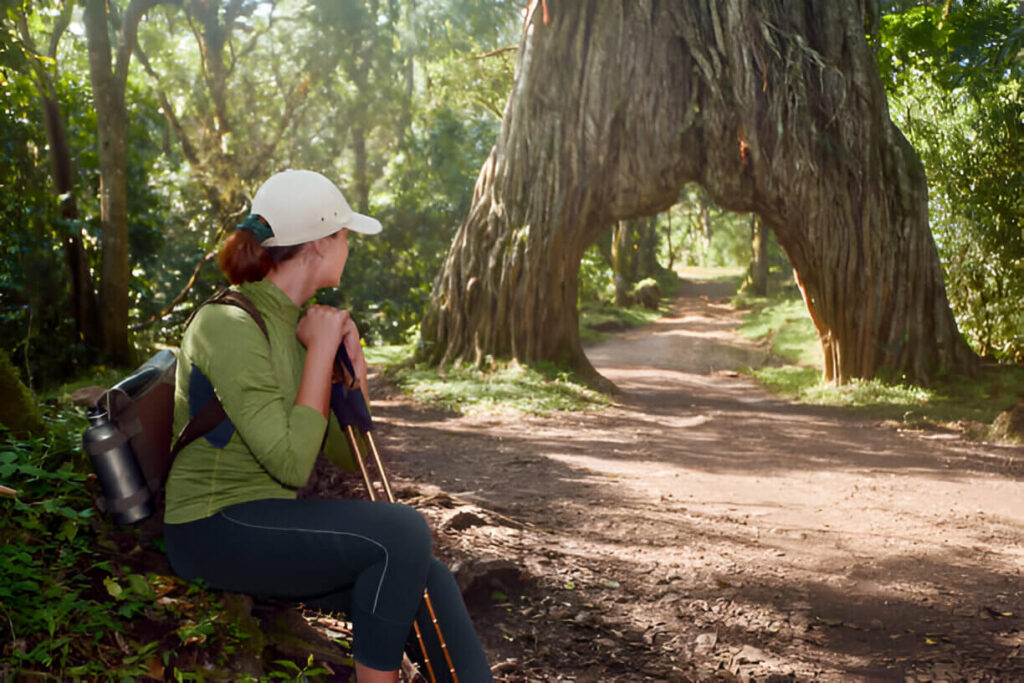
Arusha National Park is one of Tanzania’s best parks for walking safaris. Guided walks with armed rangers allow guests to explore forest trails, open plains, and crater edges while learning about plants, tracks, insects, and ecological interactions.
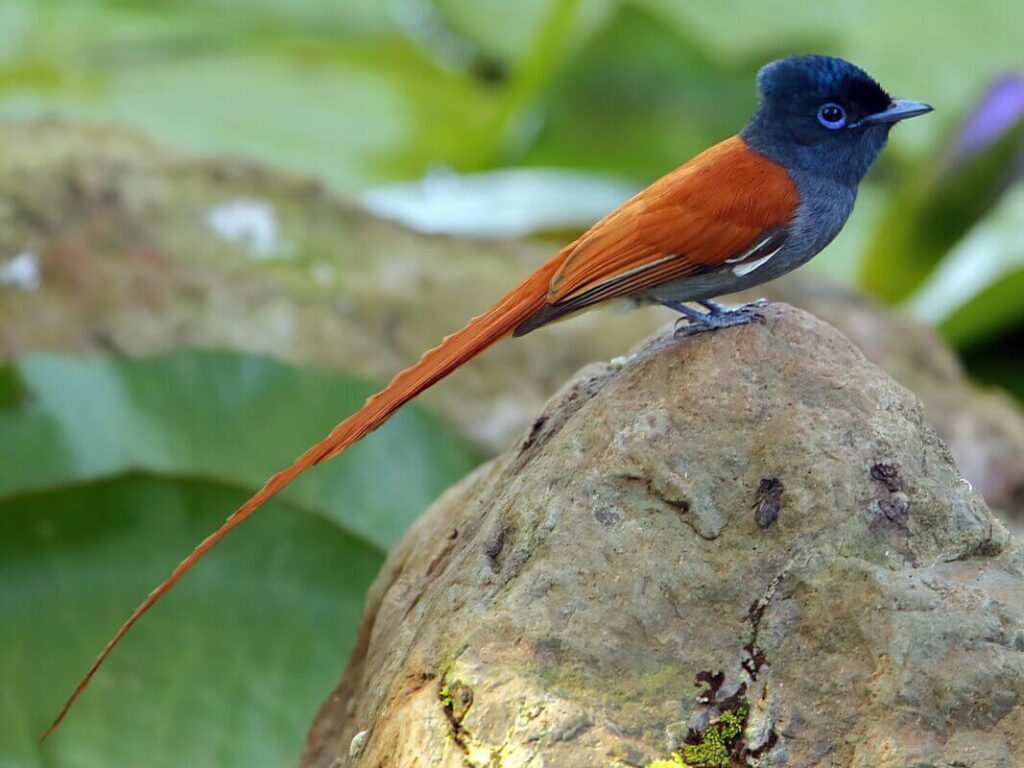
With hundreds of recorded bird species, Arusha National Park is an excellent birding destination.
The Momela Lakes, forest zones, and grasslands attract both resident and migratory birds, making birdwatching rewarding throughout the year.
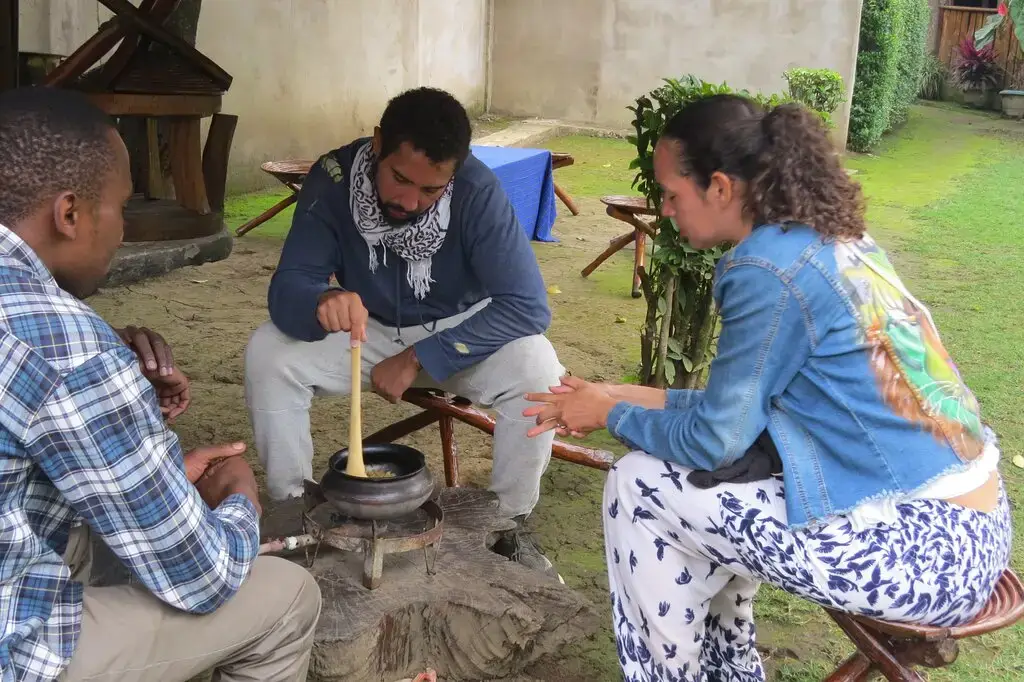
Cultural visits to nearby Maasai and Meru communities can be arranged, offering respectful insight into traditional lifestyles, land use, and coexistence with wildlife.
Accommodation Near Arusha National Park
Mid-Range and Eco-Lodges
Arusha Serena Lodge (Lake Duluti Area)
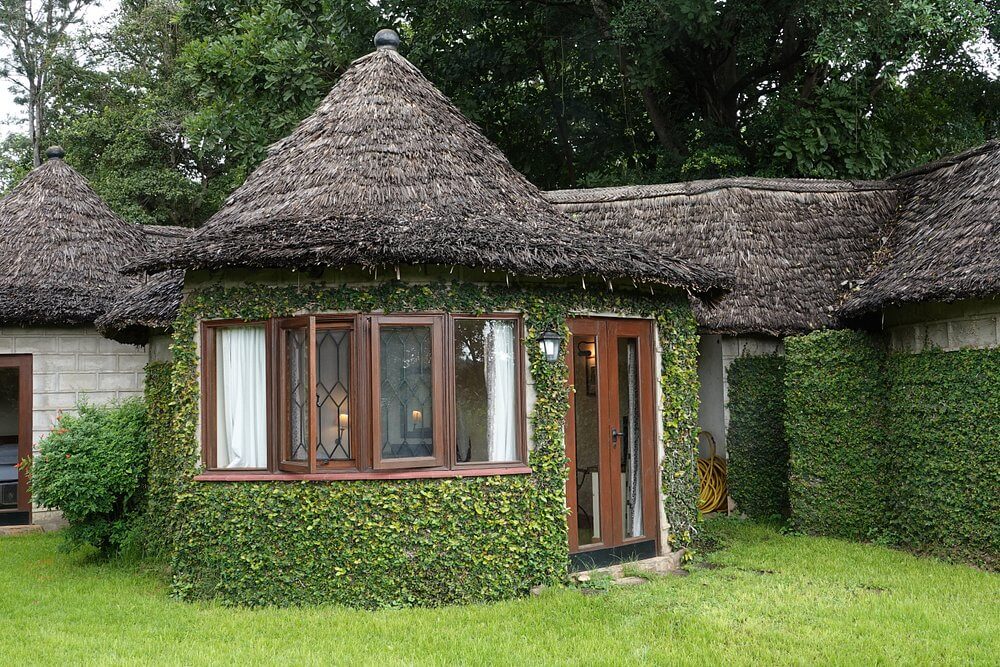
Located in a tranquil setting near Arusha National Park, this lodge offers comfortable accommodation surrounded by forest and water landscapes. Its location makes it ideal for travelers seeking a peaceful environment with convenient access to the park and Arusha town.
Mount Meru Forest Camps and Eco-Lodges
Several small eco-lodges and forest camps are located along the slopes of Mount Meru, offering chalet-style accommodation in natural surroundings. These lodges are well suited to hikers, birdwatchers, and travelers interested in walking safaris and forest ecology.
Budget Accommodation
Public Campsites (Guided Use)
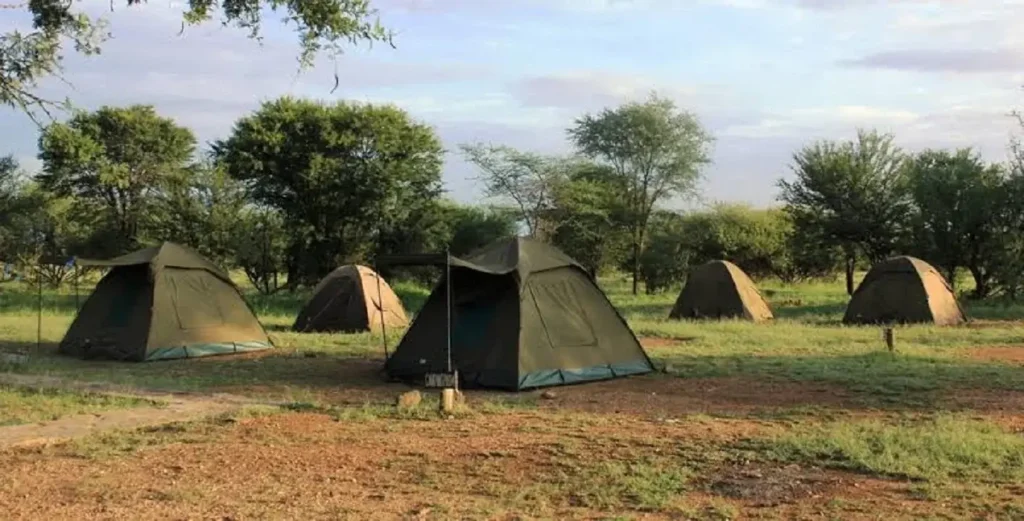
Designated public campsites within and near Arusha National Park provide budget-conscious travelers with an opportunity to stay close to nature under professional guidance. These campsites offer basic facilities and are typically used as part of organized safari itineraries.
Local Guesthouses and Lodges
Numerous guesthouses in nearby communities and Arusha city provide simple, affordable accommodation for travelers seeking flexibility and easy access to the park. These options are commonly used by researchers, students, and short-stay visitors.
Why Choose Jas Safari for Arusha National Park
Jas Safari understands that Arusha National Park requires a different approach from large savannah safari destinations. This is a park where landscape interpretation, walking safaris, and ecological understanding matter as much as wildlife sightings.
Our itineraries are designed for travelers who value nature immersion, knowledgeable guiding, and thoughtful pacing. Our guides are trained in walking safari protocols, forest ecology, and highland wildlife behavior, ensuring safe and informative experiences both on foot and by vehicle.
We work closely with park authorities and local communities to ensure responsible tourism practices that support conservation and education. Whether Arusha National Park is part of a broader northern circuit or a stand-alone experience, Jas Safari provides careful planning, professional guiding, and reliable logistics.
Safari Packing List for Arusha National Park
Packing for Arusha National Park should prioritize comfort, flexibility, and preparedness for changing highland conditions. Sturdy walking shoes are essential, particularly for guided walking safaris and forest trails.
Lightweight, breathable clothing is recommended for daytime activities, while warmer layers are useful for cooler mornings and evenings. Rain protection is important due to occasional showers, especially in forested areas.
Other essentials include insect repellent, binoculars for birdwatching and wildlife observation, a small daypack, reusable water bottles, sun protection, personal medications, and secure storage for travel documents.

Weather and Climate
Arusha National Park experiences a cooler and more variable climate than Tanzania’s lowland savannah parks due to its elevation and mountainous terrain. Daytime temperatures are generally mild, while mornings and evenings can be noticeably cool, particularly on the slopes of Mount Meru.
Rainfall supports dense montane forests, crater vegetation, and the Momela lake systems, contributing to the park’s rich biodiversity. Weather conditions can change quickly in mountainous environments, with mist, rain, and sunshine occurring within short periods.
These conditions enhance the park’s scenic beauty but require visitors to be prepared and flexible in their planning.
Arusha National Park Sections and Landscapes
The Ngurdoto Crater area is defined by lush montane forest and a swamp-filled crater floor, offering excellent sightings of buffaloes, warthogs, and colobus monkeys.
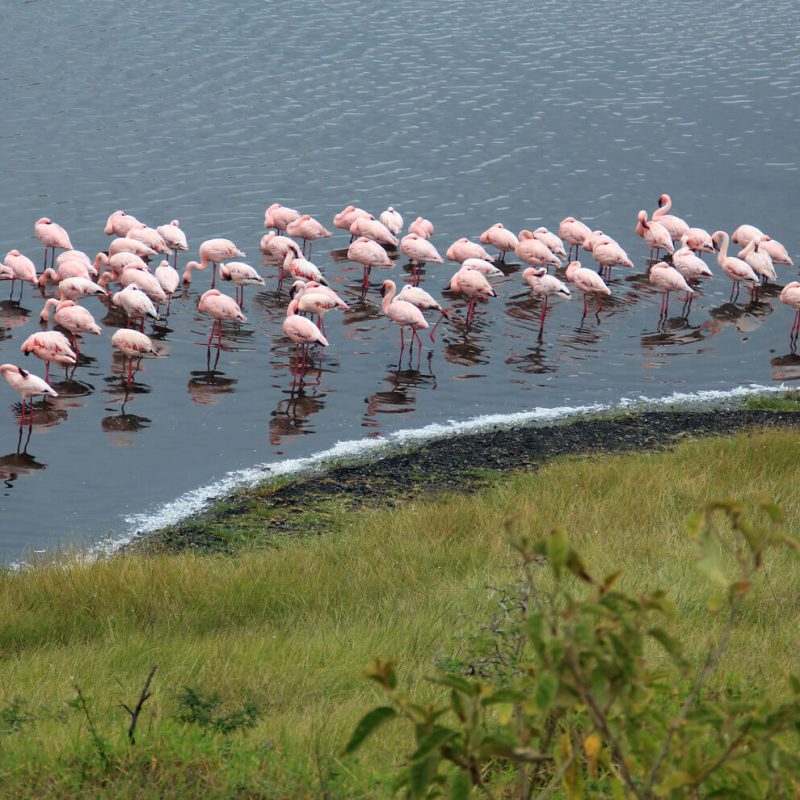
The Momella Lakes region features a chain of shallow alkaline lakes that attract flamingos and a wide variety of waterbirds, creating one of the park’s most scenic settings. The Mount Meru slopes rise through fertile forest into alpine moorland, providing habitats for giraffes, elephants, and diverse birdlife, as well as a rewarding trekking experience.
The highland forest zone is rich in biodiversity, home to black-and-white colobus monkeys and blue monkeys, with peaceful walking safaris possible under the guidance of armed rangers.
Arusha National Park Experience
Arusha National Park offers a rare opportunity to experience Tanzania’s wilderness beyond the classic open savannah. Its combination of montane forests, crater landscapes, alkaline lakes, and walking-based exploration creates a safari experience that is intimate, educational, and visually striking.
Rather than focusing on scale or migration drama, Arusha National Park rewards curiosity, patience, and engagement with nature at close range.
With Jas Safari, Arusha becomes a carefully guided journey into one of Tanzania’s most distinctive and scientifically valuable ecosystems a place where landscape, wildlife, and conservation come together in a refined and deeply rewarding way.
Plan Your Arusha National Park Safari with Jas Safari
A safari in Arusha National Park offers a refined introduction to Tanzania’s diverse landscapes within a compact and accessible setting. From forested slopes and crater highlands to tranquil lakes and open clearings, the park reveals its character through careful exploration and unhurried observation.
Jas Safari invites travelers to discover Arusha National Park with knowledge, care, and respect for its delicate ecosystems. Through experienced local guides and thoughtfully designed itineraries, Jas Safari ensures each visit is purposeful, well-paced, and grounded in a deeper understanding of the environment.
Other Northern Related Destinations
Arusha National Park
Ngorongoro Conservation Area