Tanzania Safari Experiences
Hot Air Balloon Safari
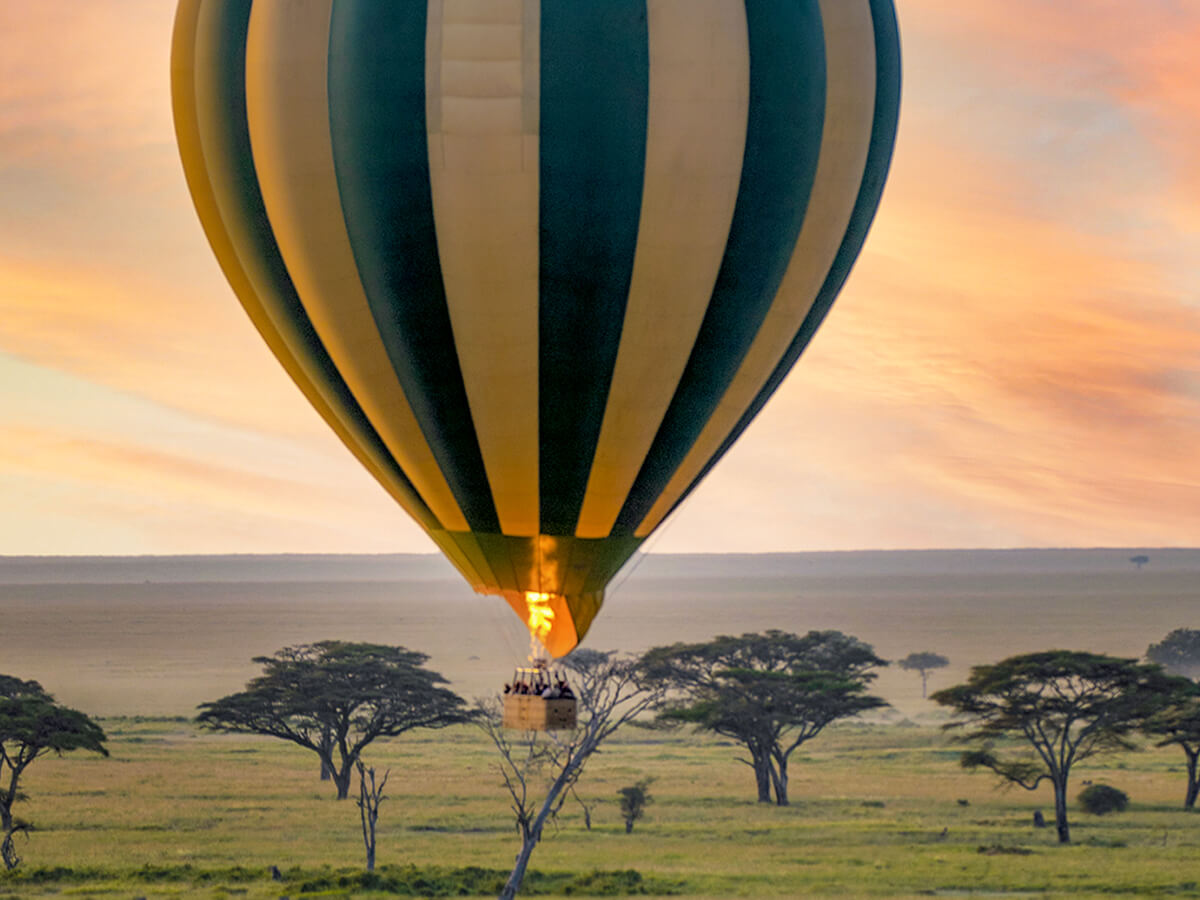
A hot air balloon safari is a unique experience in that it offers a different view of the African savanna. The activity begins early in the morning when the sun begins to rise. The balloon rises gradually while the landscape becomes visible in soft morning light. Wildlife such as elephants, giraffes, antelope, and sometimes lions can be seen moving through open grassland and woodland. The experience usually lasts about an hour before landing at a designated site where a light bush breakfast is served.
This activity takes place mainly in Serengeti National Park and Tarangire National Park, and normally lasts two to three hours including transfers, which allows the rest of the safari schedule to continue later in the morning.
Honeymoon Safaris
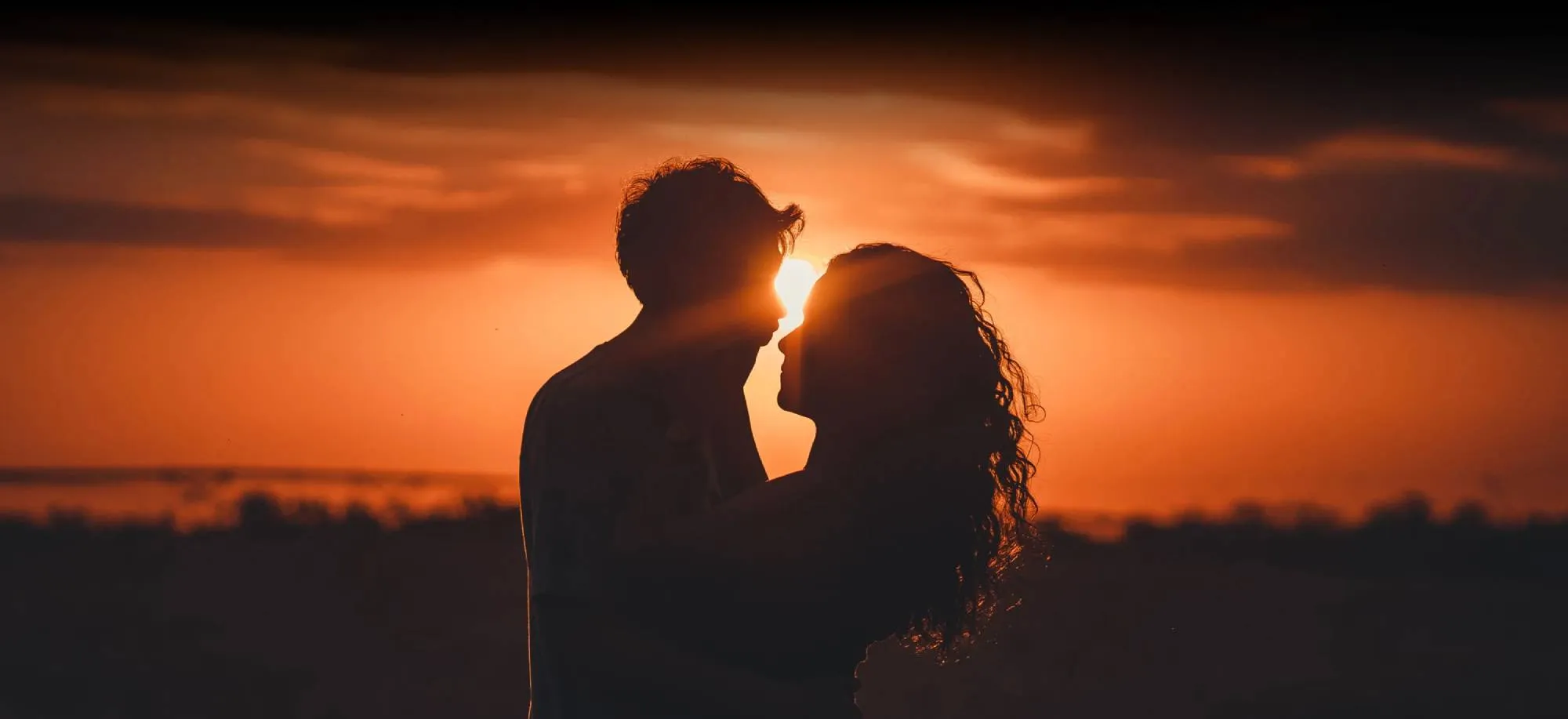
A honeymoon safari in Tanzania combines wildlife viewing with quiet time in remote landscapes. Many couples choose private tented camps or smaller lodges located within national parks or conservation areas.
Game drives during the day reveal elephants, antelope, and predators moving through open plains. Evenings remain calm with simple dinners, open skies, and distant wildlife sounds. Itinerary planning can include parks such as Serengeti National Park followed by time along the coast or in Zanzibar.
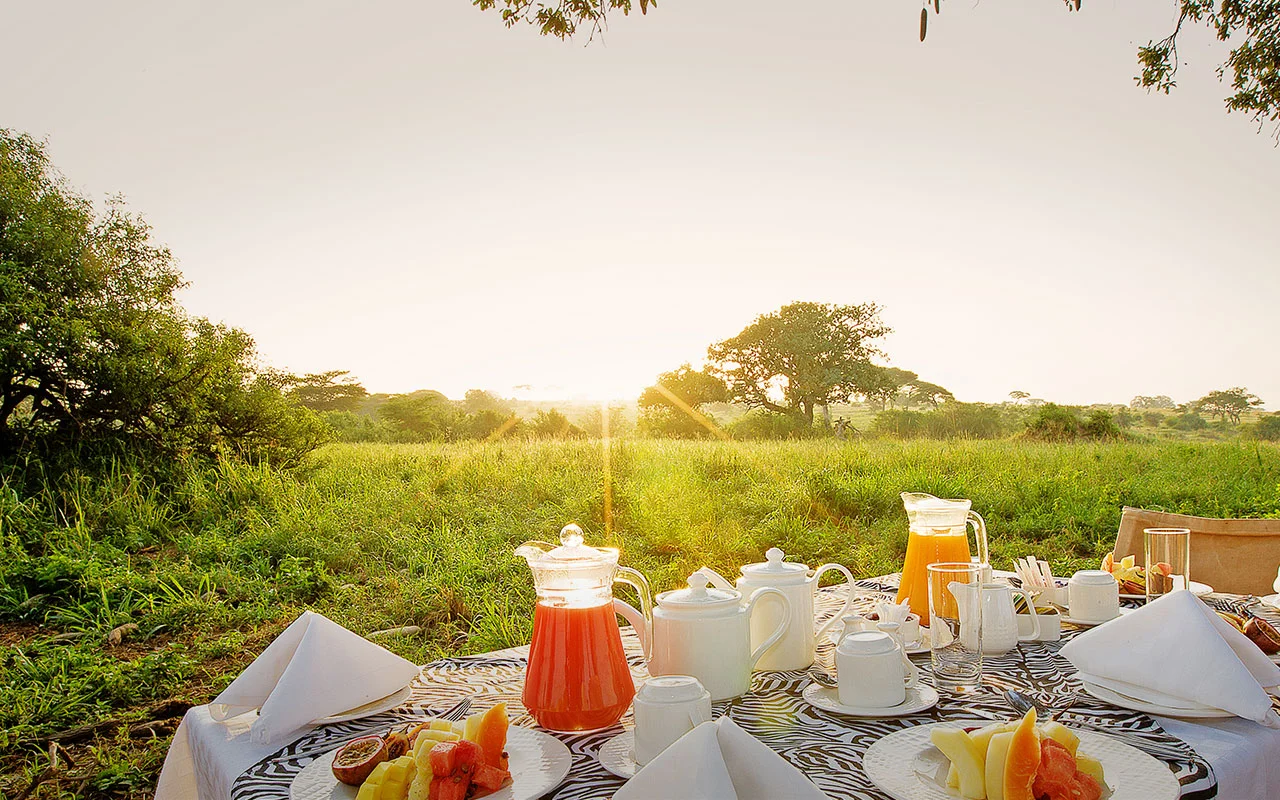
Bush breakfast is arranged after an early morning game drive. Your guide will select a quiet area at a designated picnic site where he’ll prepare a simple outdoor breakfast. Timing usually falls between early morning wildlife viewing and the return to camp. This time allows you to remain in the park longer before continuing with wildlife viewing later in the morning.
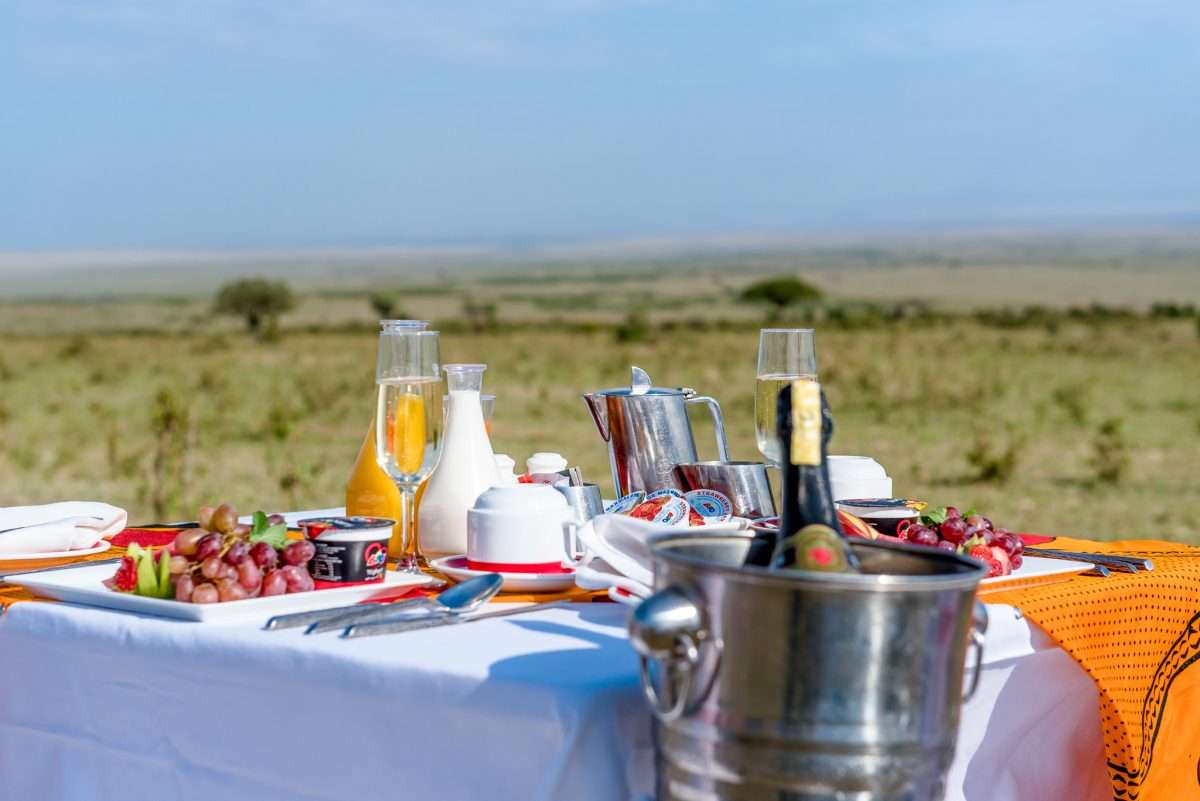
Bush lunch normally takes place during extended daytime game drives. Instead of returning to camp, you and your safari guide will stop at a designated picnic area within the park.
Food is either packed from the lodge kitchen or prepared on site by accompanying staff. Timing often falls in the early afternoon when wildlife activity slows down. This arrangement allows you to remain inside the park and continue with your game drive without having to get back to camp.
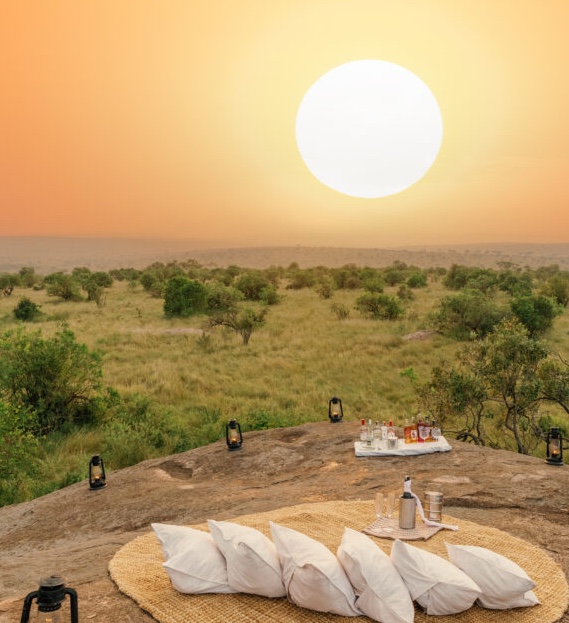
A sundowner normally takes place in late afternoon after a game drive. Your guide will stop at a scenic viewpoint where light fades over the horizon.
Drinks and light snacks are served while the temperature drops and wildlife begins to move again. This usually lasts a short period before darkness takes over. Afterward, you go back to the camp.
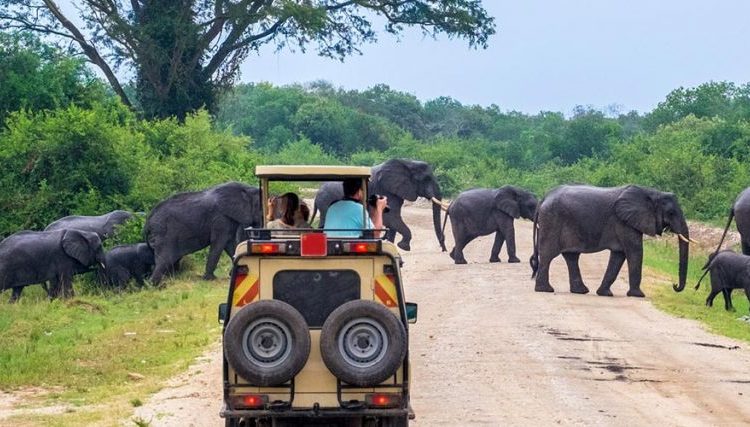
This is the typical and yet the best way to view the, literarily, astronomical wildlife. It is the most popular activity and is typically done in a customized 4x4 safari vehicle and is organized in two shifts - morning and afternoon.
To make the most of the game viewing, you need at least three days to be able to explore most part of the park you may be visiting. Expect to see most, various wildlife and avian species, dense lush forests and savanna vegetation.
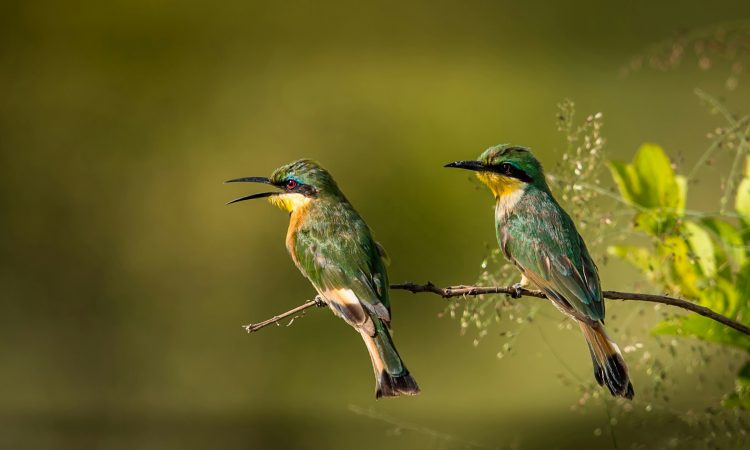
Tanzania is known to be one of the best places for birding in all of East Africa. There are many species to look out for such as the flamingos, Kori bustards, crowned cranes, just to name a few.
Even from the open plains, you can spot species like the African cytrill sights, forest buzzard, golden winged sunbirds and white eyes slaty.
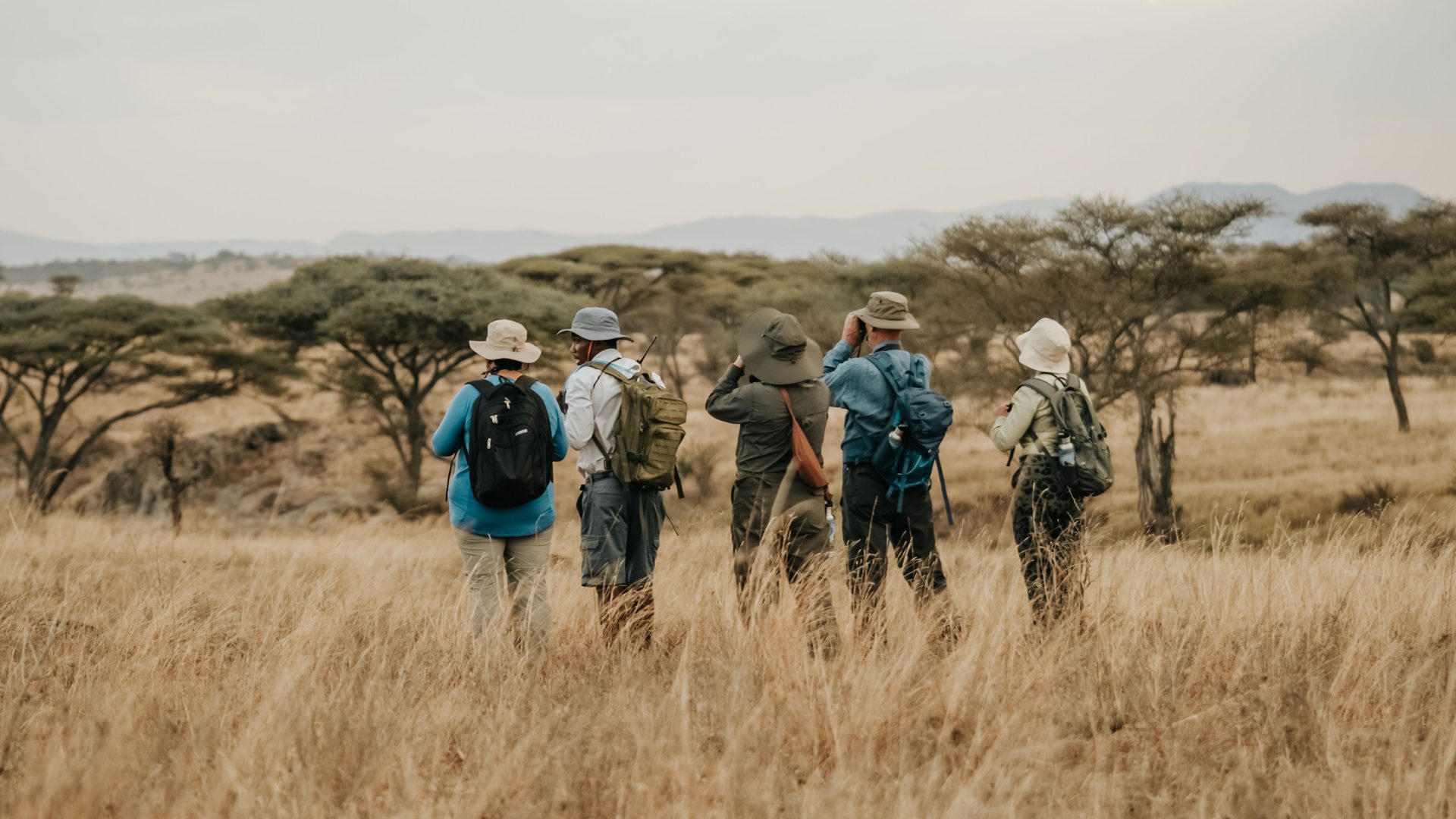
On a day when you aren’t visiting the crater, you might want to take a guided bush walk along the rim.
Visiting the western edge of the crater in particular offers panoramic views of the woodlands, open grasslands, and acacia forests. You can also watch the Maasai as they take their cattle out to graze or return them to the kraals at dusk.
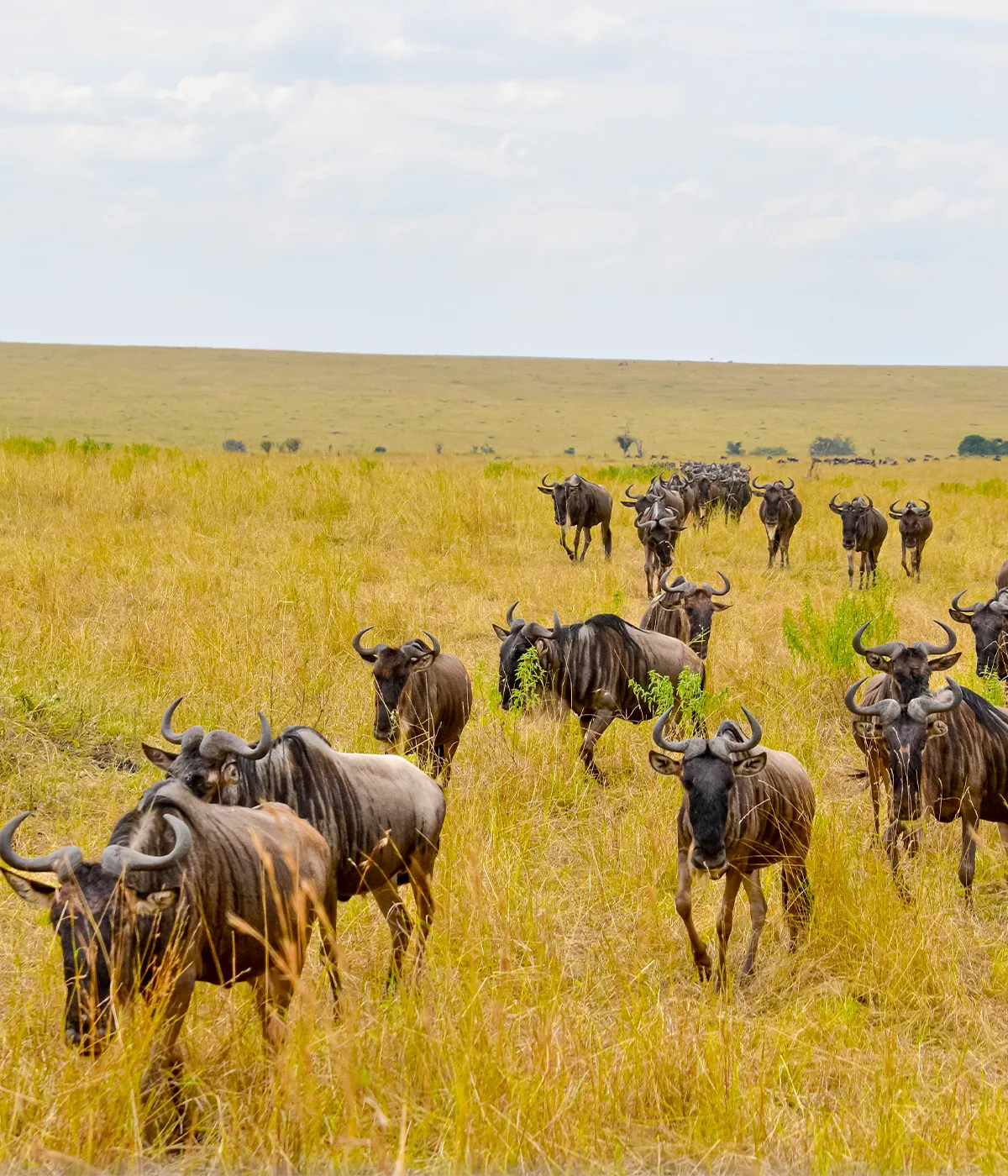
The Serengeti wildebeest migration
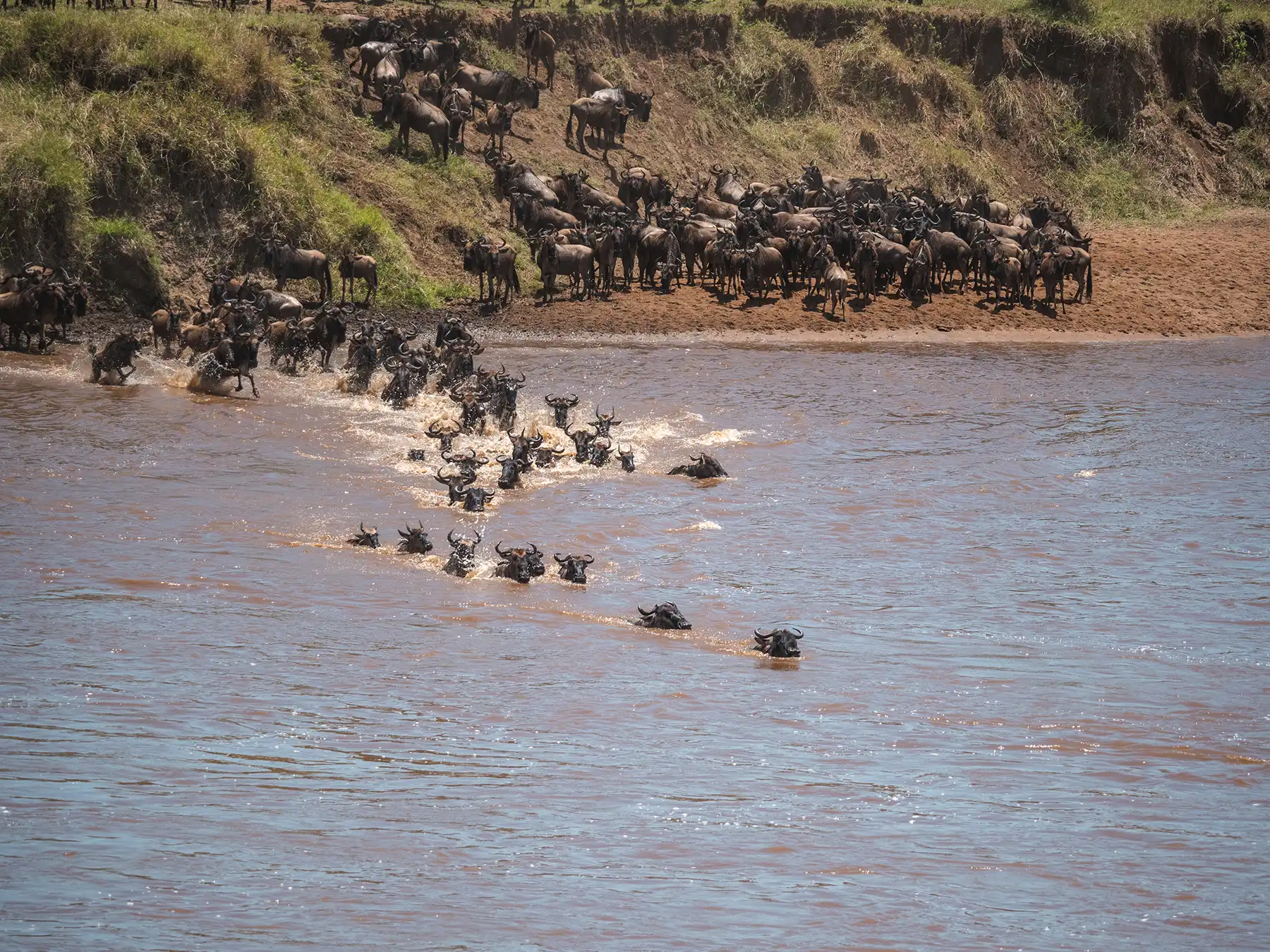
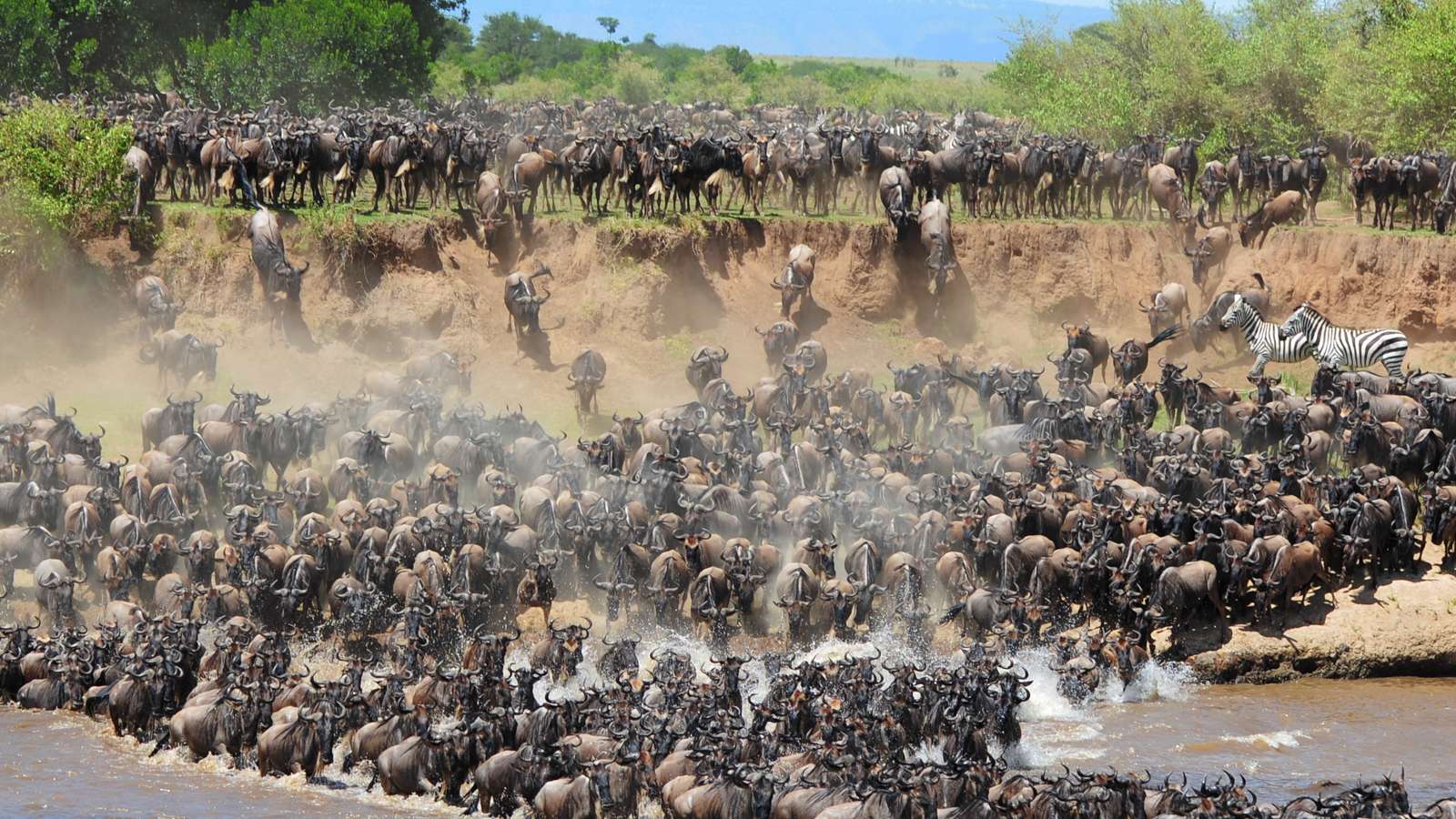
The Great Migration sees millions of wildebeests, zebras and other plains game move in a continuous cycle around the Serengeti-Masai Mara ecosystem, following the rains in search of fresh grazing and running the gauntlet of carnivores such as lions and crocodiles along the way. If you witness one safari experience, make it this one. Herds travel hundreds of kilometers through open plains, woodland, and river systems. River crossings attract crocodiles and predators, while calving periods bring high concentrations of newborn animals.
Best time to see the migration
January - February
Herds settle in the southern Serengeti plains where grass remains short and nutritious. The Calving season begins in February where thousands of calves are born within a short period.
March - April
Large herds remain in the southern plains. Predators stay active around calving areas. In April, the rain increases and herds begin gradual movement toward central Serengeti.
May - June
Animals travel in long columns moving north through central areas and approach the western corridor in June and begin gathering near the Grumeti River.
July - August
The Migration continues north toward the border with Kenya with large groups cross into the Maasai Mara region in August.
September - October
Many herds remain in the northern Serengeti and Maasai Mara, Movement slowly turns south as grazing changes October.
November - December
Short rains guide herds back toward central Serengeti, while December sees most animals return to the southern plains to complete the annual cycle.