Prison Island
Tour Overview
A visit to Prison Island is one of those Zanzibar experiences that sounds straightforward on paper and turns out to be far more layered in reality. Just a short boat ride from Stone Town, the island also known as Changuu Island feels like a pause button. The sea softens the noise of the city, and suddenly Zanzibar’s past and present sit quietly beside each other.
Prison Island is not about prisons in the way many travelers expect. It was never fully used for incarceration, and that misunderstanding is part of its story. Today, the island is best known for its giant tortoises, shallow turquoise waters, and remnants of colonial history. But beneath that calm surface lies a place shaped by shifting intentions, forgotten plans, and changing values.
This experience matters because it adds nuance to a Zanzibar visit. It’s close enough to be easy, but meaningful enough to leave an impression. Prison Island is less about excitement and more about reflection about how places evolve, and how nature often outlasts human ambition.
What a Prison Island Visit Is Really About
A Prison Island tour is about contrast. You move between history and leisure, conservation and curiosity, silence and conversation. The island’s appeal lies in its simplicity. There are no busy streets or schedules here, just space to walk, swim, and observe.
For many travelers, the giant Aldabra tortoises are the highlight. Some are well over a century old, moving slowly and calmly through shaded enclosures. Watching them is a lesson in patience and perspective. They have outlived empires, wars, and borders, and they continue to exist quietly while visitors come and go.
Beyond the tortoises, Prison Island offers a rare chance to experience Zanzibar’s coastal environment without crowds. The shallow reef, coral-stone shoreline, and surrounding sea create a peaceful setting that feels removed from modern life, even though Stone Town is visible across the water.
Where Prison Island Is Located
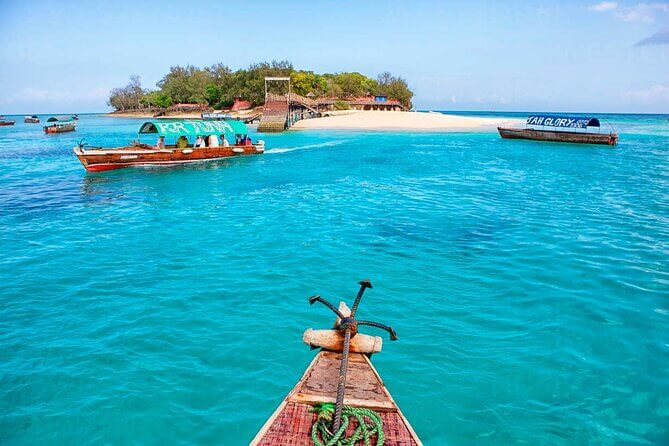
Prison Island sits roughly five to six kilometers northwest of Stone Town, directly off Zanzibar’s western coast. On clear days, the island is visible from the waterfront, making it feel tantalizingly close.
The island itself is small and flat, ringed by coral rock and white sand. Trees provide natural shade, and the interior is easy to explore on foot. Its position in the channel means calm waters for most of the year, which makes access reliable and safe.
Despite its proximity to the city, Prison Island feels distinctly separate. The short distance across the water creates a mental shift, offering a sense of escape without the commitment of a long journey.
The History Behind Prison Island
Prison Island’s story is one of unrealized plans. In the late 19th century, the island was intended to house a prison for rebellious slaves, but the facility was never used for that purpose. Later, it served as a quarantine station, isolating people with contagious diseases arriving by sea.
The remaining buildings sturdy, weathered, and partially reclaimed by nature are reminders of colonial-era control and fear. They stand quietly, offering context rather than spectacle. There are no dramatic reenactments here, just space to consider how power and policy once shaped small islands like this.
The giant tortoises arrived later, gifted from the Seychelles in the early 20th century. What began as a colonial gesture has become a conservation effort, turning the island into a sanctuary for a species once threatened by extinction.
Getting to Prison Island
Traveling from Stone Town
Most visitors reach Prison Island by small boat from Stone Town’s harbor. The journey takes about 20 to 30 minutes, depending on sea conditions. Boats are arranged through hotels, tour operators, or directly at the waterfront.
What the Boat Ride Is Like
The crossing is part of the experience. You feel the breeze, smell the salt, and watch Stone Town’s skyline slowly recede. On calm days, the ride is smooth and scenic. Occasionally, choppier conditions add movement, but it remains manageable for most travelers.
Life jackets are provided, and boats are typically covered for shade. Basic comfort is the norm rather than luxury.
What Happens During a Dolphin Tour
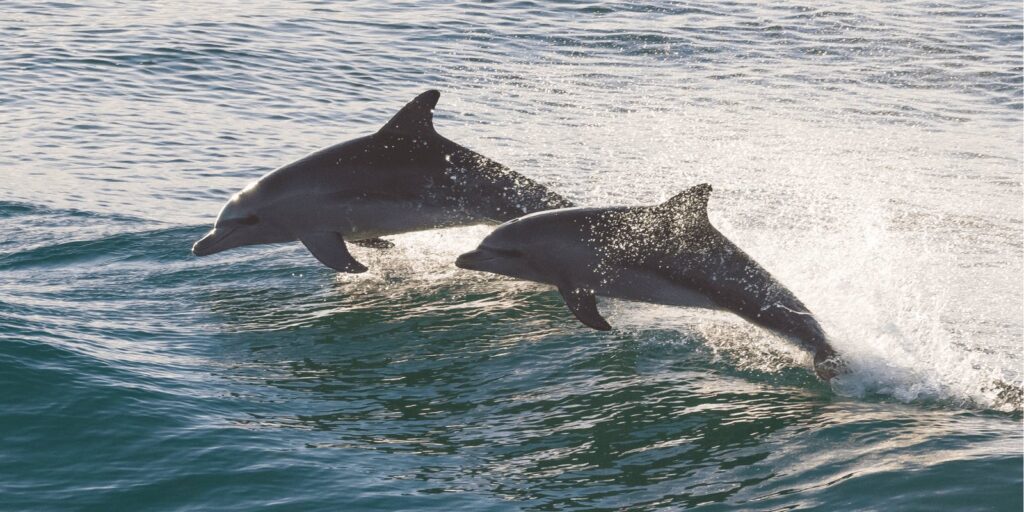
A Dolphin Tour usually begins shortly after sunrise. Boats set out quietly, scanning the water for signs of dolphins ripples, fins, or birds indicating movement below the surface.
Once dolphins are located, the approach should be slow and respectful. Good guides avoid chasing or surrounding the animals. Instead, they position the boat at a distance and allow dolphins to move naturally.
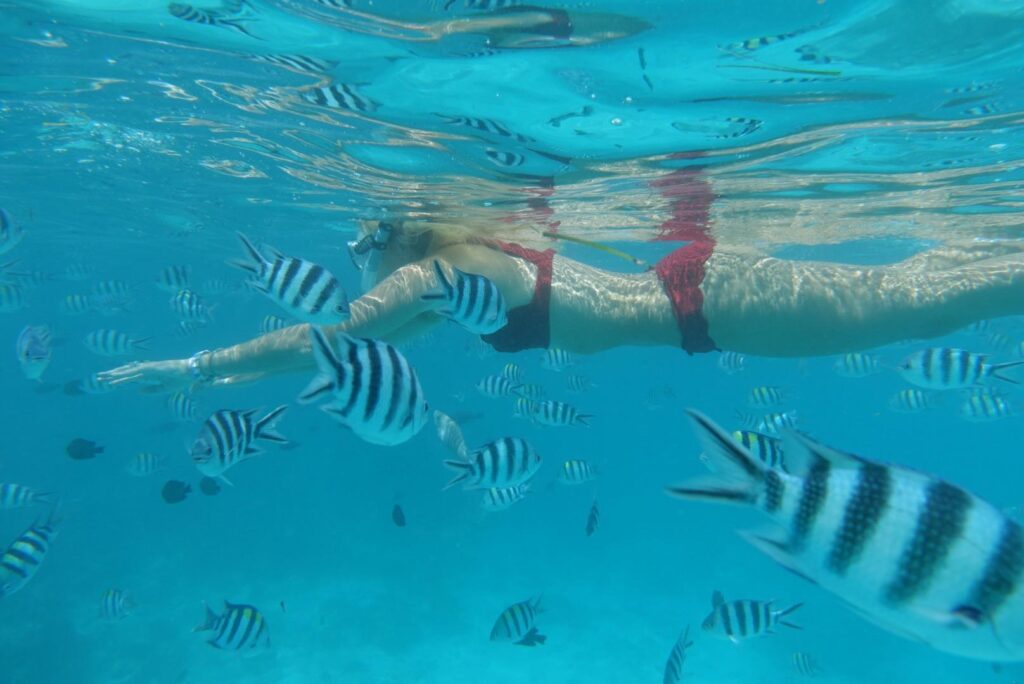
Swimming or snorkeling may be offered, but this depends entirely on conditions and dolphin behavior. Ethical guides allow dolphins to approach swimmers if they choose, rather than forcing encounters. There are days when swimming doesn’t happen at all and that’s okay.
After the time on the water, many tours return to shore for a short rest or breakfast, sometimes followed by snorkeling on a nearby reef if conditions allow. The entire experience usually lasts two to three hours, including boat time.
When Prison Island Is Best Visited
Prison Island can be visited year-round, but sea conditions matter. The dry seasons from June to October and January to February usually offer calmer waters and clearer visibility.
Morning visits are generally best. The light is softer, temperatures are cooler, and the island feels less busy. Afternoon trips work well too, especially for travelers combining the visit with Stone Town sightseeing.
Tides affect swimming and snorkeling quality. Guides often time visits to match favorable conditions, but flexibility helps.
Who Will Enjoy Prison Island Most
Prison Island suits a wide range of travelers. Couples enjoy the relaxed pace and scenic setting. Families appreciate the educational value of the tortoise sanctuary. Solo travelers find it peaceful and reflective.
The physical demands are minimal. Walking is easy, and activities are optional. Elderly travelers and those seeking low-impact experiences usually manage well.
Travelers expecting a full-day adventure or luxury amenities may find the island too quiet. Prison Island is about simplicity and atmosphere rather than constant activity.
What to Wear and Bring
Light clothing, swimwear, and comfortable sandals or water shoes are ideal. The coral-stone shoreline can be sharp, so footwear matters.
Bring sunscreen, a hat, and water. Snorkeling gear is useful if you want to explore underwater, though some tours provide basic equipment. A dry bag helps protect electronics during the boat ride.
What’s Usually Included and What Isn’t
Most Prison Island tours include boat transport and entrance fees. Some include a guide, while others allow free exploration.
Snorkeling equipment, food, and drinks are often extra unless specified. Tips for boat crews or guides are appreciated but optional.
Safety, Ethics, and Responsible Visiting
Follow guidelines when interacting with tortoises. Touching should be gentle and supervised. Feeding them is usually restricted to protect their health.
Swimming is generally safe, but currents and tides should be respected. Listen to local advice and avoid venturing too far from shore.
Prison Island’s small size makes it vulnerable to environmental damage. Avoid littering, respect wildlife, and tread carefully around coral and historic structures.
Things Many Visitors Don’t Expect
Some travelers are surprised by how quiet the island feels. There’s no constant commentary or organized schedule. That openness is intentional.
The tortoises move slowly, and observing them requires patience. Rushing through defeats the purpose. Allow yourself time to simply sit and watch.
Photography is best in the morning, when light is softer and shadows add texture to ruins and trees.
How a Prison Island Visit Fits into a Zanzibar Itinerary
Prison Island works well as a half-day experience. It pairs naturally with a Stone Town Tour, balancing urban intensity with coastal calm. Many travelers visit Stone Town in the morning and head to Prison Island afterward for a slower afternoon.
During a beach-focused itinerary, it offers a brief change of scenery without disrupting relaxation. It’s also a gentle introduction to Zanzibar for travelers arriving on a short stay.
Prison Island doesn’t overwhelm. It invites reflection, offers space to breathe, and reminds you that Zanzibar’s story is not only told in busy streets or grand histories, but also in quiet places shaped by time, sea, and patience.