Mnemba Island Snorkeling
Tour Overview
Mnemba Island Snorkeling is often described as Zanzibar’s best marine experience and unlike many popular claims, this one holds up when approached with the right expectations. Just off the island’s northeast coast, Mnemba Atoll offers clear water, healthy coral, and the kind of marine life that reminds you why the Indian Ocean is so admired by snorkelers.
This is not an island-hopping adventure or a beach day in the usual sense. Mnemba Island itself is privately owned and largely inaccessible. The magic happens in the water that surrounds it. Floating above coral gardens with sunlight flickering through the surface, you begin to understand why this area has been protected so carefully.
Mnemba snorkeling is about immersion rather than action. You drift, observe, and let the sea set the pace. For travelers who want to see Zanzibar beneath the surface without the complexity of diving this experience delivers something quietly special.
What Mnemba Island Snorkeling Is Really About
Mnemba Island Snorkeling is about clarity in water, in movement, and in mindset. The reefs here are part of a marine conservation area, and that protection shows. Corals are more vibrant, fish are less skittish, and the underwater landscape feels balanced rather than stressed.
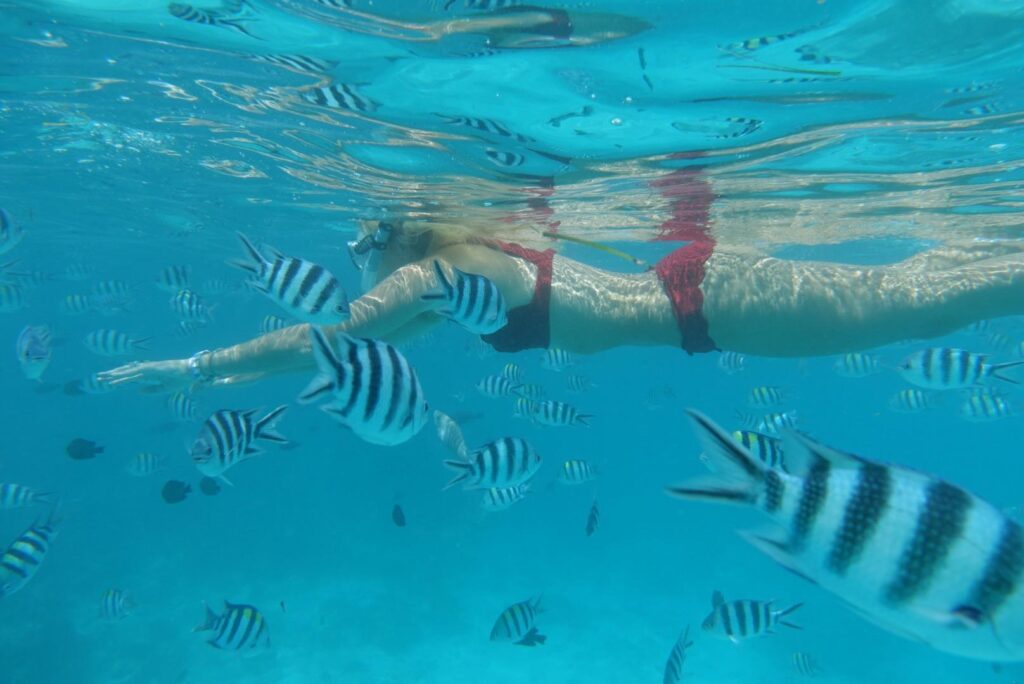
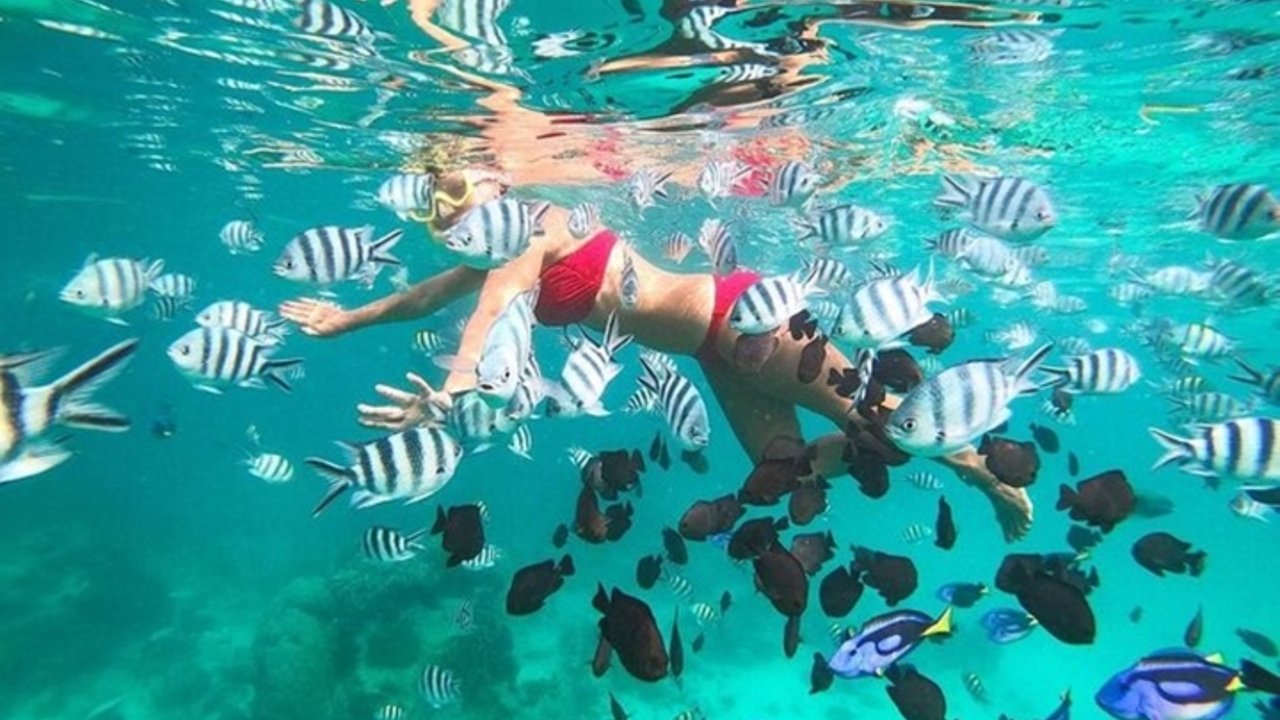
This experience isn’t about covering distance or chasing marine life. It’s about floating above coral bommies, watching schools of fish move in unison, and noticing small details patterns on parrotfish, the way light changes with depth, the sudden flash of color from a passing reef fish.
What makes Mnemba unique in Zanzibar is consistency. Visibility is often excellent, and marine life sightings are frequent enough that even first-time snorkelers feel rewarded. Compared to casual reef snorkeling along some beaches, Mnemba feels intentional and protected.
Where Mnemba Island Is Located
Mnemba Island sits just off the northeast coast of Unguja Island, near the beach areas of Matemwe and Nungwi. The island itself is small and ringed by a coral atoll that creates calm snorkeling conditions in many areas.
From the shore, Mnemba appears close, but access is strictly regulated. Boats anchor at designated points around the atoll, ensuring both safety and reef protection. The surrounding waters shift between pale turquoise and deep blue, signaling changes in depth and habitat.
From Stone Town, reaching the snorkeling departure points usually takes about 90 minutes by car. From northeast beach resorts, travel time is much shorter often 15 to 30 minutes. This proximity makes Mnemba a convenient highlight for travelers staying in that part of the island.
The Marine Environment Around Mnemba
Mnemba Atoll supports one of Zanzibar’s healthiest reef systems. Hard and soft corals form layered structures that shelter a wide range of marine species. Snorkelers commonly see angelfish, butterflyfish, parrotfish, moray eels, and schools of snapper moving through the reef.
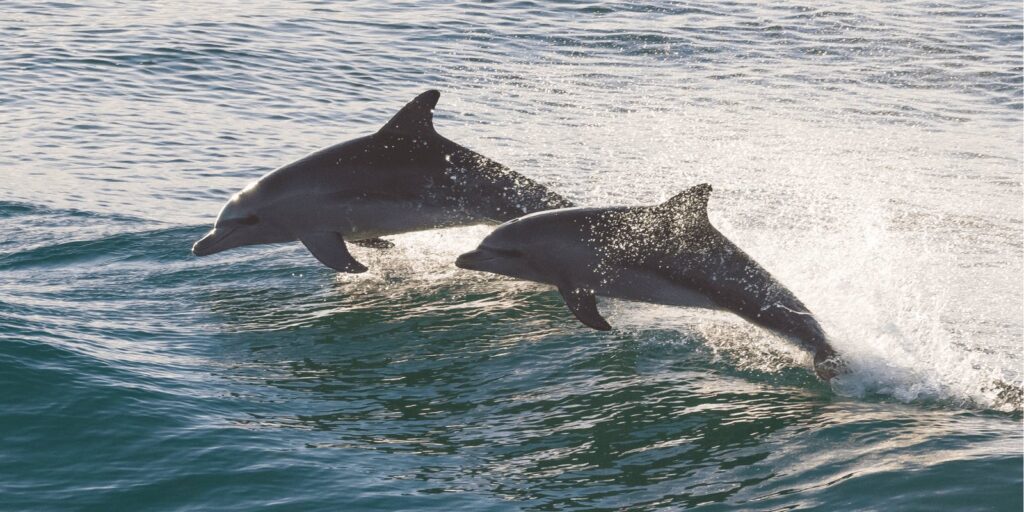
Green turtles are occasional visitors, especially in quieter conditions. Dolphins are sometimes seen during boat transfers, though sightings are never guaranteed. Sea stars and reef invertebrates add texture to the shallower areas.
The reef’s health is the result of long-term protection. Anchoring is restricted, fishing is limited, and snorkeling areas are carefully managed. Visiting Mnemba comes with an unspoken responsibility: to enjoy without disturbing.
Getting to Mnemba Island Snorkeling Areas
Traveling from Stone Town
Most tours include early morning transfers from Stone Town to the northeast coast. The drive takes time, but the changing scenery from urban streets to open coastline adds context to the journey.
Coming from Northeast Beach Resorts
If you’re staying in Matemwe, Nungwi, or nearby areas, access is easy. Pick-up times are relaxed, and the journey to the boat is short.
The Boat Ride Out
Boats used for Mnemba snorkeling are typically small to medium-sized, designed for short open-water crossings. The ride takes about 10 to 20 minutes. Conditions are usually calm, though wind can affect surface movement.
What Happens During a Mnemba Snorkeling Trip
A typical Mnemba Island Snorkeling trip lasts half a day. After reaching the boat, guides provide a safety briefing and basic snorkeling instructions. Equipment is distributed, and the group heads toward the atoll.
Snorkeling is usually done in multiple spots, chosen based on currents, visibility, and group ability. Guides remain in the water, pointing out marine life and ensuring everyone stays within safe zones.
Breaks are taken on the boat, where you can rest, drink water, and enjoy the scenery. Some tours include fruit or light snacks. Time in the water is generous, allowing you to settle into a relaxed rhythm rather than rushing between sites.
When Mnemba Island Snorkeling Is Best
Mnemba can be snorkeled year-round, but conditions are best during the dry seasons from June to October and January to February. Visibility is high, and sea conditions are generally calm.
During the rainy season from March to May, water clarity can fluctuate, and surface conditions may be less predictable. Tours still operate, but flexibility is important.
Morning trips are ideal. Light is better for underwater visibility, winds are lighter, and the sea feels calmer. Afternoon trips are possible but less consistent.
Who a Dolphin Tour Is Best For
This experience suits a wide range of travelers. First-time snorkelers appreciate the clear water and supportive guides. Experienced snorkelers enjoy the reef health and variety of species.
Families with older children often find Mnemba engaging and safe, provided children are comfortable in the water. Non-swimmers can sometimes participate using flotation aids, though this should be discussed in advance.
Travelers expecting beach access on Mnemba Island itself may be disappointed. The focus is entirely on the water, not the land.
What to Wear and Bring
Wear swimwear under light clothing for easy transitions. Bring reef-safe sunscreen, a towel, and a hat. Sunglasses help during boat rides.
Snorkeling equipment is usually provided, but bringing your own mask ensures a good fit. A dry bag is useful for protecting electronics.
Avoid heavy jewelry and unnecessary valuables. The experience is active but relaxed, and simplicity makes it more enjoyable.
What’s Usually Included and What Isn’t
Most Mnemba Island Snorkeling tours include boat transport, snorkeling equipment, and a local guide. Transfers from hotels may or may not be included, depending on location.
Food beyond light snacks is usually not included unless specified. Tips for guides and boat crews are optional but appreciated.
Private tours offer more flexibility and fewer people in the water, while shared tours are more affordable and social.
Safety, Ethics, and Reef Responsibility
Snorkeling safety is straightforward but important. Always follow your guide’s instructions, stay within designated areas, and avoid strong currents.
Touching coral, standing on the reef, or chasing marine life causes damage. Maintain distance and let animals move naturally.
Using reef-safe sunscreen helps protect delicate ecosystems. Responsible behavior ensures Mnemba remains vibrant for future visitors.
Things Many Snorkelers Don’t Expect
Some days are better than others. Visibility, currents, and marine life activity vary. Patience improves the experience.
Floating calmly often reveals more than constant movement. Fish are more likely to approach when you slow down.
The island itself remains distant. Mnemba’s beauty lies beneath the surface, not on its shore.
How Mnemba Island Snorkeling Fits into a Zanzibar Itinerary
Mnemba Island Snorkeling fits perfectly into a beach-focused itinerary, especially for travelers staying in the northeast. It’s a half-day experience that leaves the afternoon free for relaxation.
For those staying elsewhere, it works best as a planned highlight rather than a spontaneous add-on due to travel time.
Mnemba offers a glimpse of Zanzibar’s underwater world at its healthiest. It doesn’t overwhelm or perform. It invites you to float, observe, and appreciate a fragile ecosystem doing what it has done quietly for generations.