Datoga Culture in Tanzania
A Proud Pastoral Heritage Rooted in Land and Tradition
The Datoga people of Tanzania are one of the country’s most distinctive and resilient pastoralist communities. Known for their deep connection to cattle, strong social identity, and highly skilled metalwork, the Datoga represent a culture shaped by movement, adaptation, and survival in challenging environments. For travelers interested in cultural tours in Tanzania that go beyond surface encounters, learning about the Datoga offers valuable insight into a way of life defined by independence, tradition, and respect for land.
Datoga culture is not designed for display. It is lived daily through work, family life, and community responsibility. Understanding this context is essential for travelers seeking meaningful and ethical cultural experiences.
Who the Datoga are and where they live?
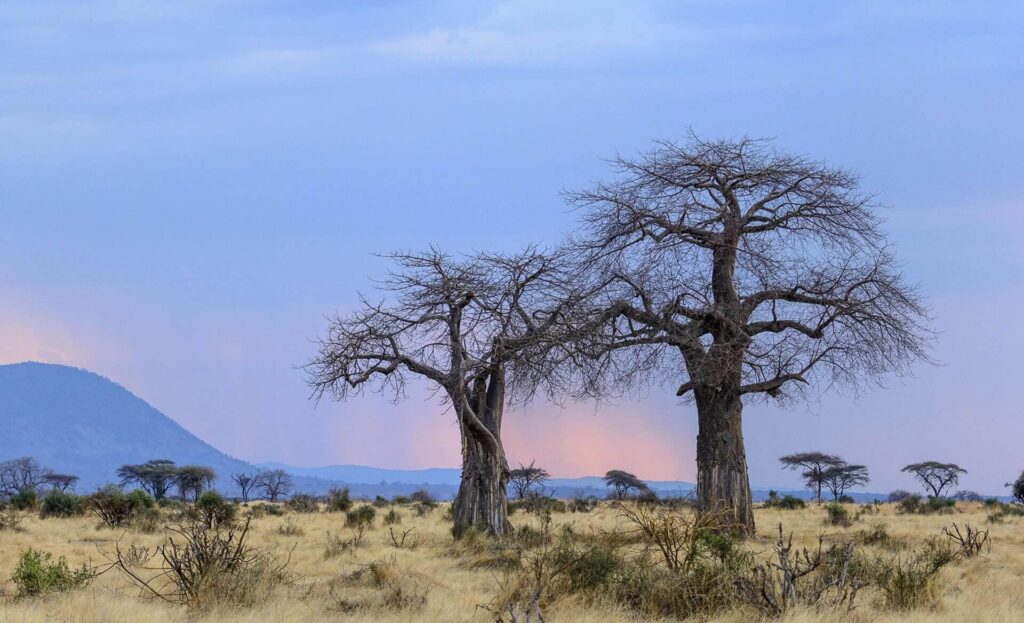
The Datoga are a Nilotic-speaking pastoralist community primarily found in northern and central Tanzania. Their largest populations live around Lake Eyasi, the Mbulu Highlands, parts of Manyara, Singida, and Arusha regions. These landscapes often semi-arid and rugged are well suited to livestock herding, which remains central to Datoga life.
Traditionally semi-nomadic, the Datoga move seasonally in search of grazing land and water for their cattle. Their settlements reflect this mobility, emphasizing practicality and adaptation rather than permanence. The land they inhabit is not only a resource, but a foundation of cultural identity.
History and Origins of the Datoga People
Datoga history is preserved through oral tradition, passed down through generations of elders. Historically, the Datoga migrated into Tanzania centuries ago, establishing themselves as skilled herders and metalworkers. Over time, they developed strong territorial identities linked to grazing lands and water sources.
Colonial land policies, conservation boundaries, and competition over resources significantly affected Datoga livelihoods. Despite these pressures, the Datoga have maintained a strong cultural identity rooted in language, pastoral knowledge, and social cohesion. Their history reflects endurance in the face of environmental and political change.
The Importance of Cattle in Datoga Culture
Cattle are central to Datoga culture, serving as the primary source of food, wealth, and social status. Livestock provide milk, meat, and materials, but their value extends beyond subsistence. Cattle symbolize family continuity, responsibility, and respect within the community.
Marriage arrangements, social obligations, and conflict resolution often involve livestock exchanges. Caring for cattle is both an economic activity and a cultural duty, requiring deep knowledge of grazing patterns, seasonal cycles, and animal health. For the Datoga, cattle are inseparable from identity and survival.
Social Structure, Age Sets, and Community Roles
Datoga society is organized around age groups and family units, with clearly defined roles that support community stability. Elders hold authority, guiding decision-making and preserving cultural knowledge. Their wisdom shapes social conduct, conflict resolution, and ceremonial life.
Men are traditionally responsible for herding and protecting livestock, while women manage household responsibilities, childcare, and food preparation. Women also play a key role in maintaining cultural traditions through dress, ornamentation, and oral knowledge. Although roles are evolving, the emphasis on collective responsibility remains strong.
Traditional Dress, Ornamentation, and Cultural Symbolism
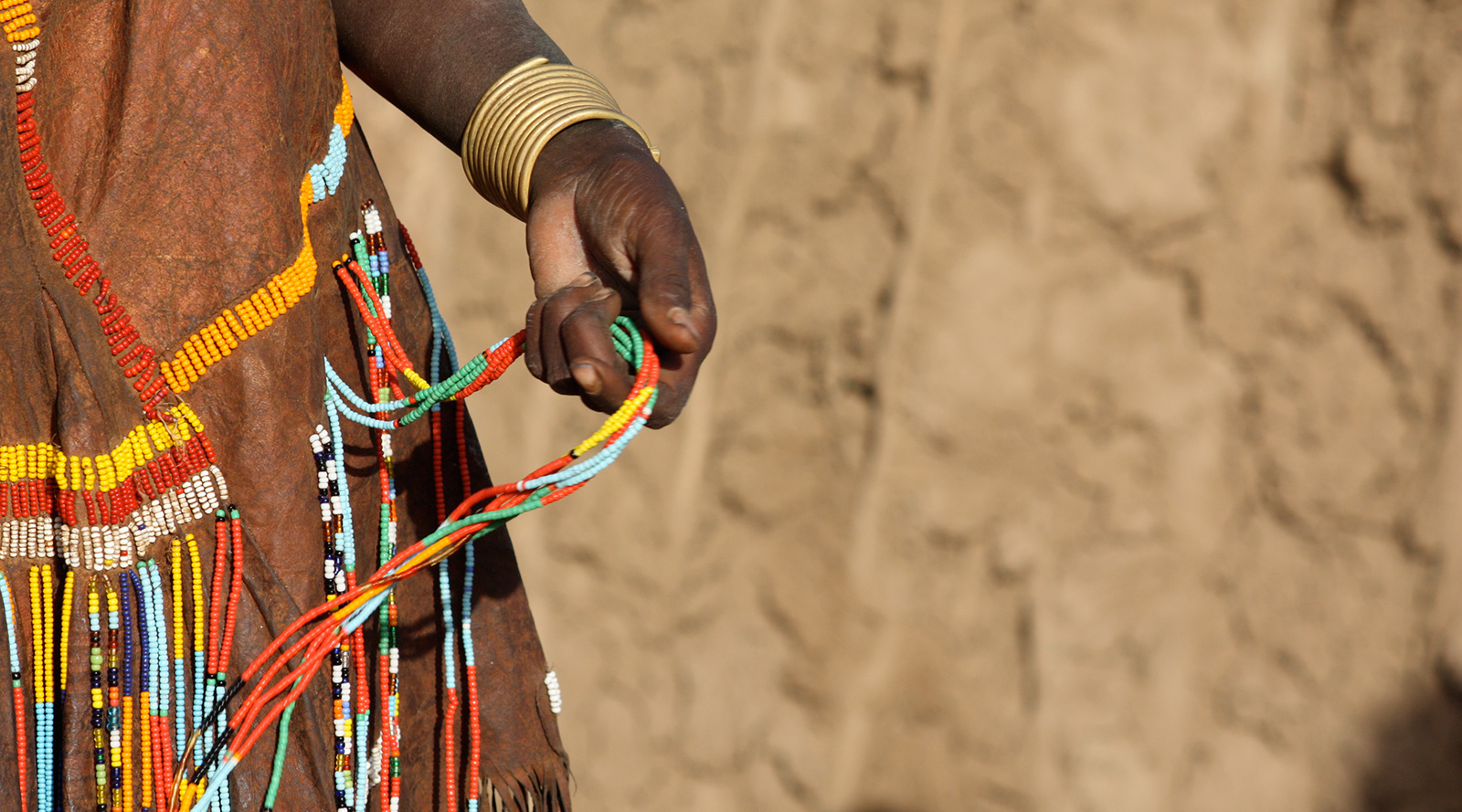
Datoga traditional dress is practical yet expressive. Clothing is often made from animal hides or cloth, adorned with metal jewelry, beads, and leatherwork. Women are especially known for wearing layered metal rings around the neck, arms, and legs symbols of identity, beauty, and resilience.
Blacksmithing is a defining Datoga skill. Datoga metalworkers craft tools, arrowheads, knives, and jewelry used by neighboring communities. This craftsmanship holds cultural importance, reflecting self-sufficiency and specialized knowledge passed down through generations.
Daily Life in a Datoga Village (Boma)
A Datoga boma consists of circular homesteads built from mud, sticks, and dung, designed for durability and protection. Villages are arranged to safeguard livestock, which are kept close at night to prevent predation.
Daily life revolves around herding, household tasks, and community interaction. Mornings often begin with livestock care, while afternoons are spent on domestic work, repairs, or social visits. Evenings bring families together for meals and conversation. Life follows natural rhythms rather than fixed schedules, shaped by seasons and animal needs.
Ceremonies, Rituals, and Rites of Passage
Ceremonies mark important life stages within Datoga culture, including initiation, marriage, and elderhood. These events reinforce social bonds and cultural continuity, often involving symbolic acts, storytelling, and livestock exchange.
Rituals are not staged for outsiders and may be private in nature. When shared through guided cultural visits, they are presented with care and respect. Understanding that not all traditions are open to observation is essential for ethical engagement.
The Datoga Relationship with Land, Wildlife, and Nature
The Datoga worldview is closely tied to land stewardship. Grazing practices are traditionally managed to prevent overuse, relying on seasonal movement and collective knowledge of the environment. Wildlife is viewed as part of the broader ecosystem rather than an opposing force.
This relationship reflects a long-standing understanding of balance between people, livestock, and nature. Despite modern challenges, traditional Datoga ecological knowledge remains relevant to discussions around sustainable land use and conservation.
How Datoga Culture Adapts to the Modern World
Datoga communities today face changing realities, including land pressure, education access, and economic shifts. Some Datoga engage in trade, small-scale agriculture, or tourism-related activities while continuing pastoral traditions.
Adaptation occurs on Datoga terms. Cultural identity remains strong even as individuals navigate modern systems such as schooling and healthcare. Recognizing this balance helps travelers understand the Datoga as a dynamic culture rather than a static one.
Responsible and Ethical Ways to Visit Datoga Communities
Visiting Datoga communities requires sensitivity, respect, and ethical awareness. Responsible cultural tours are community-approved, guided by local interpreters, and designed to ensure fair benefits for hosts.
Travelers should approach visits as learning opportunities rather than entertainment. Asking permission before taking photographs, listening attentively, and respecting boundaries are essential practices. Ethical tourism supports cultural preservation while maintaining dignity and autonomy.
Why Datoga Cultural Experiences Matter in Tanzania
Learning about Datoga culture adds depth to travel in Tanzania by revealing pastoral traditions that have shaped the region for centuries. These experiences connect travelers to human stories often overlooked in wildlife-focused itineraries.
Understanding Datoga life encourages reflection on sustainability, resilience, and the diverse ways communities relate to land and livelihood. When approached respectfully, Datoga cultural experiences become powerful moments of shared understanding.
Other Cultural Tours
Mikumi National Park

Nyerere National Park