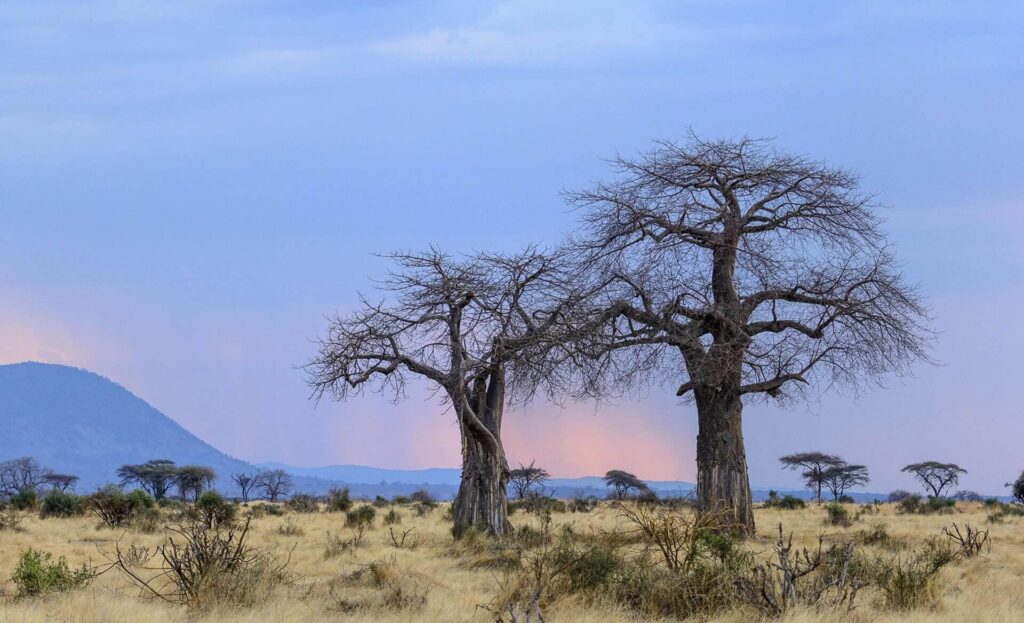
Kitulo National Park
Overview
Kitulo National Park is one of Tanzania’s most unique and scientifically significant protected areas, renowned not for large mammals, but for its extraordinary botanical diversity and alpine landscapes. Often referred to as the “Garden of God,” Kitulo is a high-altitude plateau that transforms into one of Africa’s most spectacular wildflower displays during the rainy seasons.
Unlike classic savannah safari parks, Kitulo is a destination for nature lovers, botanists, hikers, photographers, and travelers seeking a different perspective on Tanzania’s natural heritage. The park protects rare montane grasslands that are found nowhere else in the country and are among the most important floral ecosystems in Africa.
For guests traveling with Jas Safari, Kitulo National Park offers a refined, peaceful, and intellectually rewarding experience focused on landscapes, plants, and ecological discovery rather than traditional game viewing.
Location and Size of the Park
Kitulo National Park is located in southern Tanzania, within the southern highlands region. The park lies between the Kipengere, Poroto, and Livingstone mountain ranges, overlooking the Great Rift Valley and Lake Nyasa basin.
The park sits at high elevation, with expansive plateaus, rolling grasslands, and surrounding forested slopes. Its altitude creates a cool climate and supports plant communities that are rare or absent elsewhere in East Africa.
Although relatively compact compared to Tanzania’s large savannah parks, Kitulo’s ecological value is immense due to the concentration of endemic and threatened plant species within a limited area.
Historical and Conservation Importance
Kitulo National Park was established primarily for plant conservation, making it one of the few national parks in Africa created to protect flora rather than large mammals. The plateau had long been used for seasonal grazing, which threatened delicate grassland ecosystems and rare plant species.
The park now protects one of the most important montane grassland ecosystems in Africa, safeguarding hundreds of plant species, including a remarkable diversity of orchids, lilies, aloes, and daisies. Many of these plants are endemic to the southern highlands and found nowhere else on Earth.
Kitulo also plays a vital role in watershed protection, supporting river systems that feed surrounding agricultural regions and ecosystems downstream.
Attractions Found in Kitulo National Park
Wildflower Displays and Botanical Diversity
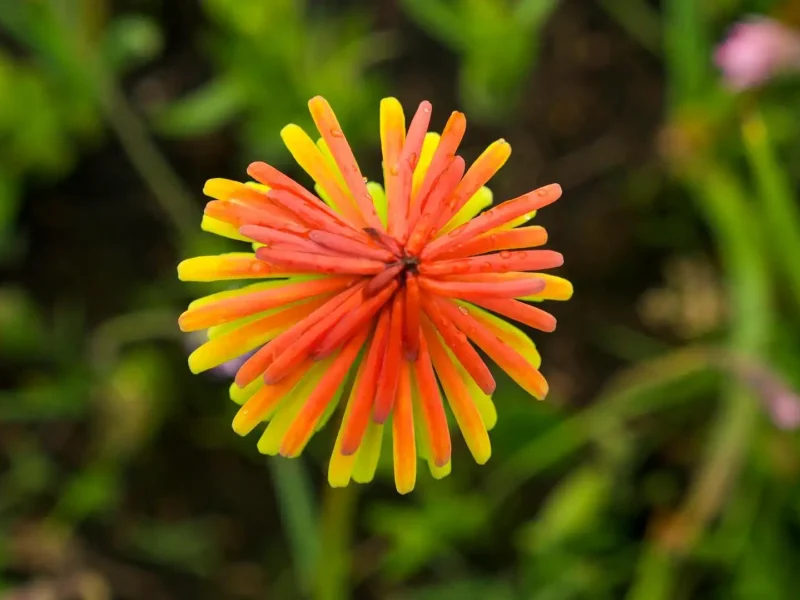
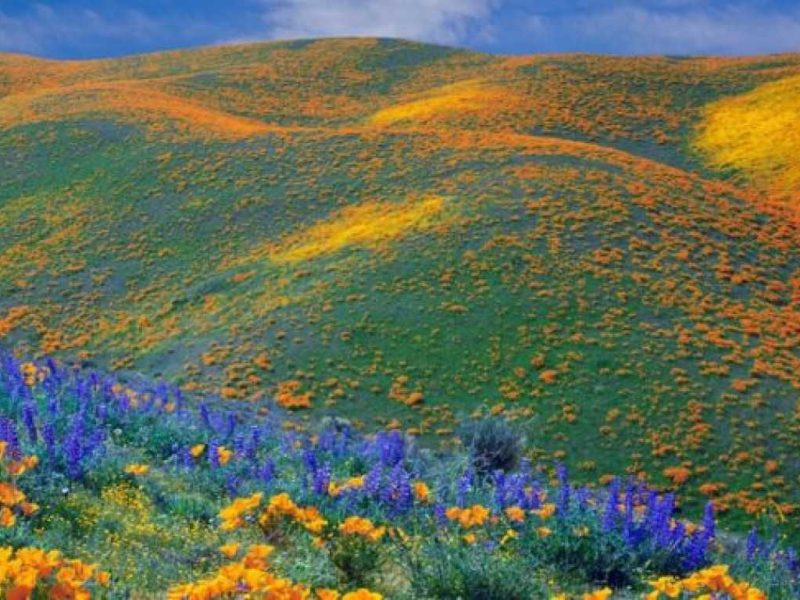
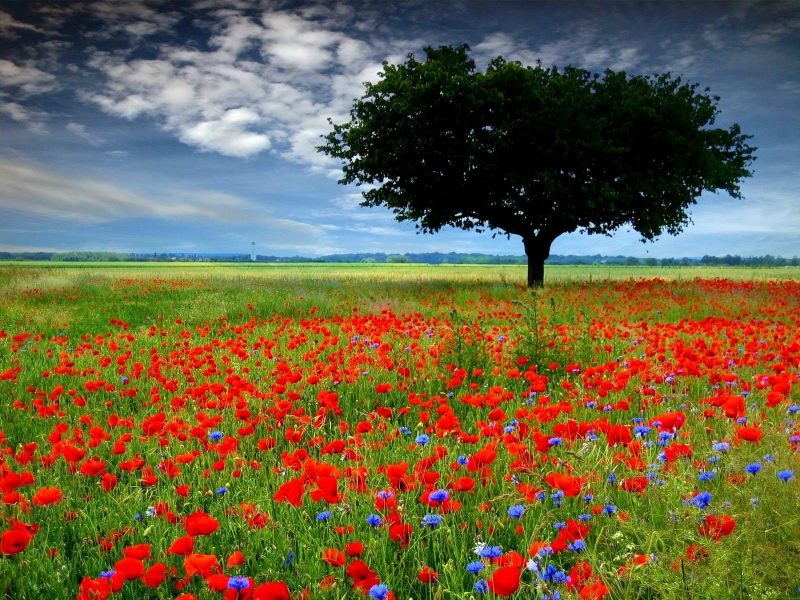
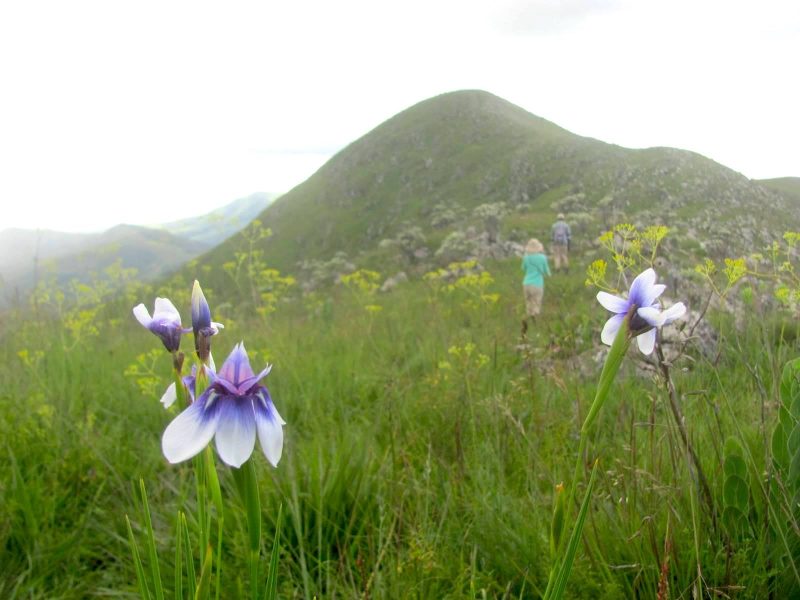
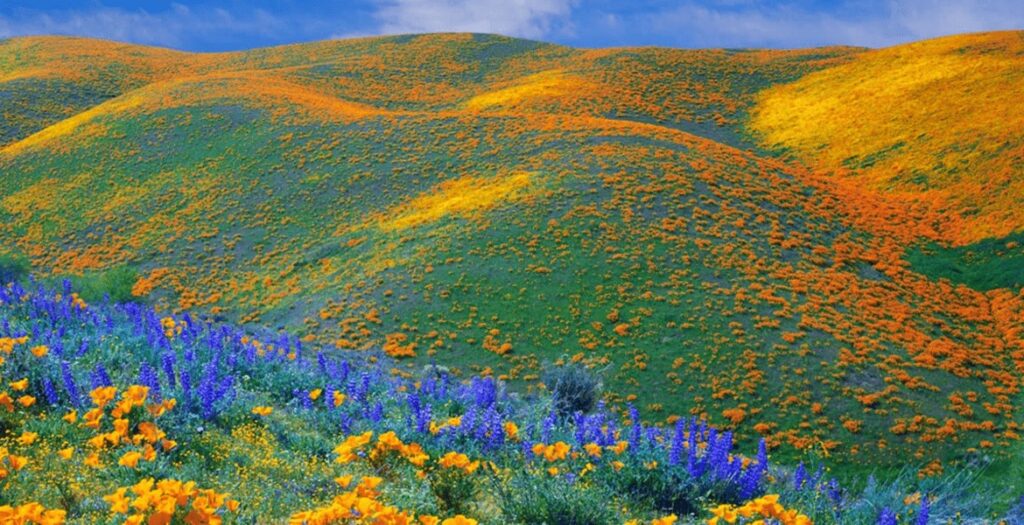
Kitulo is internationally recognized for its wildflower blooms, which occur during the rainy seasons when the plateau becomes carpeted with color. Orchids are particularly abundant, with dozens of species flowering simultaneously alongside lilies, irises, and other alpine plants.
For botanists, photographers, and conservation enthusiasts, Kitulo offers one of the most concentrated and accessible floral spectacles in Africa.
Scenic Highlands and Open Landscapes
The park’s rolling grasslands, rocky outcrops, and distant mountain views create a dramatic and serene landscape. Misty mornings, wide skies, and sweeping plateaus define the visual character of Kitulo, offering a sense of space and tranquility rarely found in more crowded parks.
Birdlife and Montane Species
While large mammals are limited, Kitulo supports a variety of bird species adapted to highland grasslands and forest edges. Several species are endemic to the southern highlands, making the park a rewarding destination for birdwatchers.
Small mammals, reptiles, and insects also play important ecological roles within the grassland system.
Best Time and Seasons to Visit Kitulo National Park
Flowering Seasons
The best time to visit Kitulo National Park coincides with the rainy periods, when wildflowers are in full bloom. During these months, the plateau transforms into a vibrant mosaic of colors, attracting botanists and photographers from around the world.
Flowering intensity varies depending on rainfall patterns, but peak blooms generally occur shortly after consistent rains begin.
Drier Periods
During drier months, the grasslands remain scenic but with fewer flowers.
These periods are suitable for hiking, landscape photography, and travelers who prefer cooler temperatures and firmer walking conditions.
Each season offers a different perspective on Kitulo’s ecology, from explosive growth to quiet alpine beauty.
Activities in Kitulo National Park
Walking is the primary way to explore Kitulo National Park. Guided walks focus on plant identification, grassland ecology, geology, and the delicate balance between climate and vegetation.
Trails range from gentle plateau walks to more challenging hikes along escarpments and forest edges.
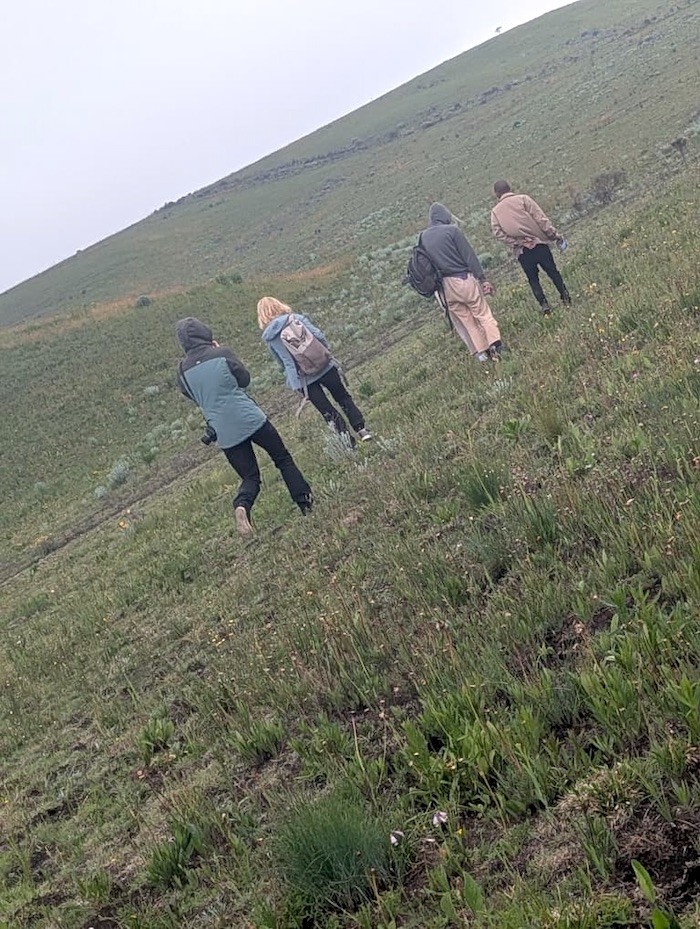
Kitulo is ideal for educational travel. Guides provide in-depth interpretation of plant species, flowering cycles, and conservation challenges facing montane ecosystems.
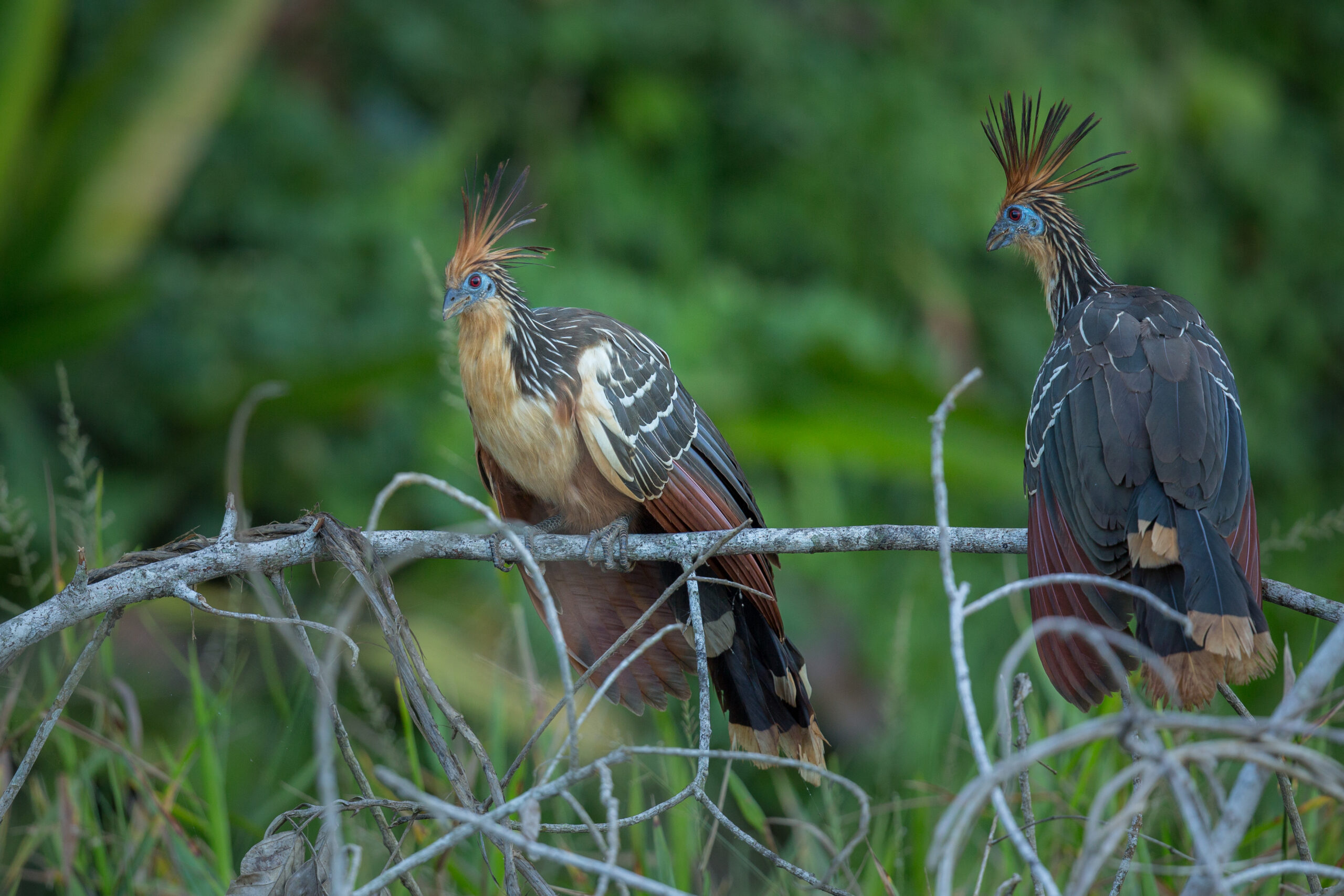
Open grasslands and forest fringes support a range of montane bird species. Slow-paced walks allow ample time for observation and photography.
Accommodation Near Kitulo National Park
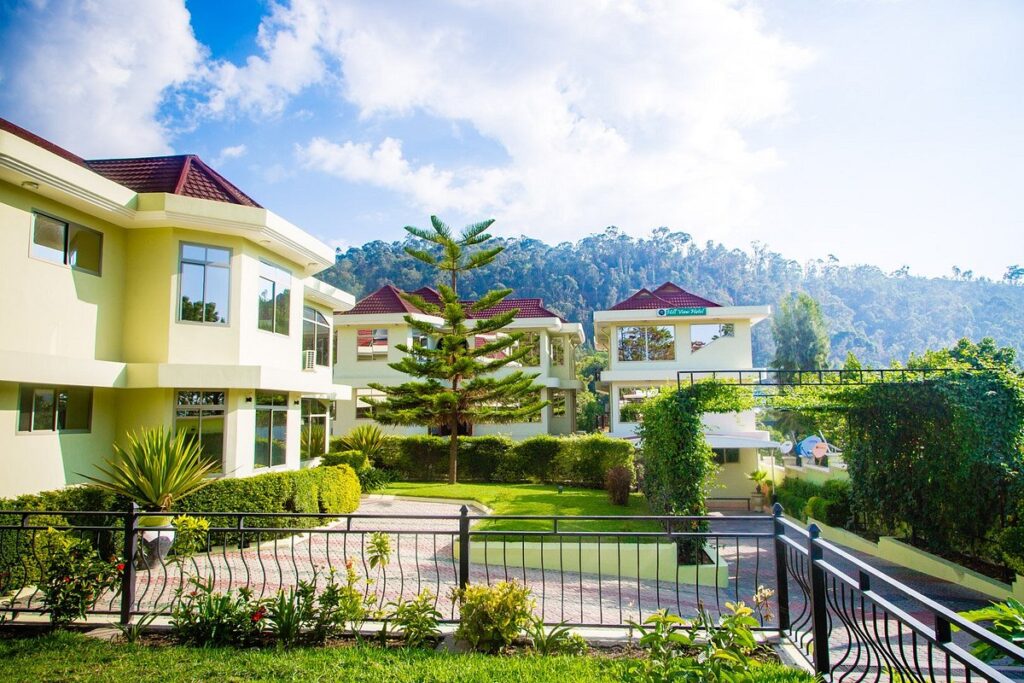
Accommodation options near Kitulo National Park are simple and practical, reflecting the park’s focus on conservation and nature-based tourism rather than luxury development.
Mid-Range and Eco-Lodges
Mountain Lodges and Guesthouses (Mbeya Area)
Several lodges and guesthouses in the Mbeya and southern highlands region provide comfortable bases for visiting Kitulo. These properties offer warm hospitality, scenic surroundings, and convenient access to the park.
Budget Accommodation
Public Campsites and Community Guesthouses
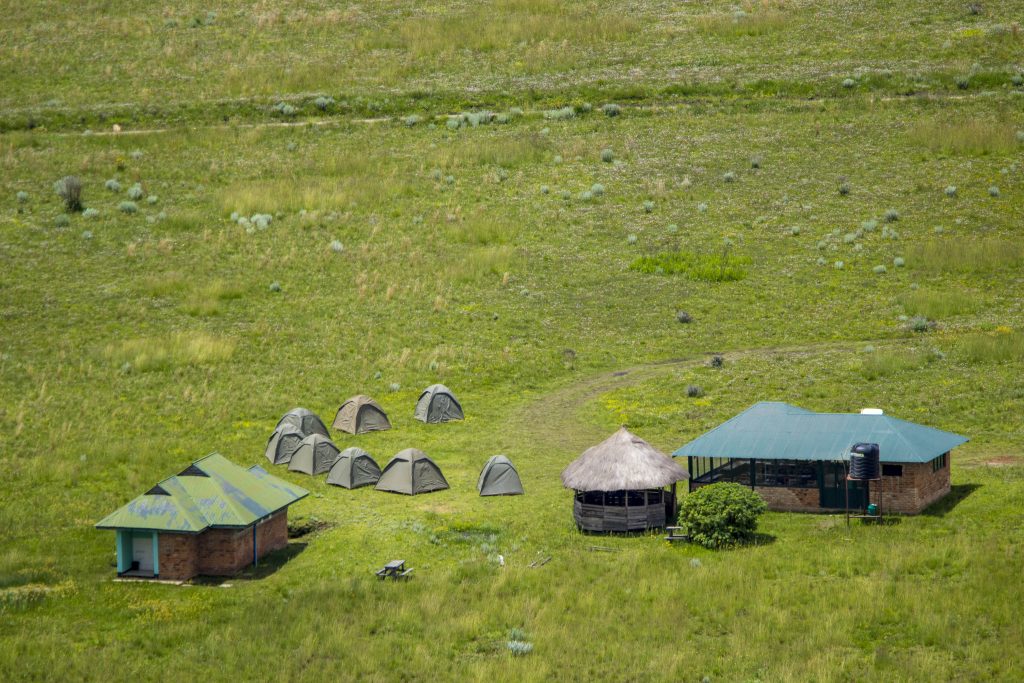
Basic campsites and guesthouses are available near the park, catering to researchers, hikers, and budget travelers. These options emphasize simplicity and proximity to nature.
Why Choose Jas Safari for Kitulo National Park
Jas Safari understands that Kitulo National Park appeals to a different kind of traveler—one who values landscapes, learning, and conservation over traditional game viewing.
We design carefully paced itineraries that align with flowering seasons, weather conditions, and individual interests. Our guides are knowledgeable in ecology, botany, and highland environments, ensuring a meaningful and educational experience.
Whether Kitulo is visited as a stand-alone destination or combined with southern Tanzania parks, Jas Safari provides thoughtful planning, reliable logistics, and responsible tourism practices.
Packing List for Kitulo National Park
Packing for Kitulo should focus on comfort and weather adaptability. Sturdy walking shoes, warm layers for cool mornings, lightweight breathable clothing, rain protection, and sun protection are essential.
Binoculars, cameras, reusable water bottles, personal medications, and a small daypack are recommended for daily walks.
Weather and Climate
Kitulo National Park experiences a cool, montane climate due to its high elevation. Temperatures are generally mild during the day and cooler at night, especially during the dry season.
Rainfall drives plant growth and flowering cycles, making weather patterns a key consideration for trip planning. Conditions can change quickly, with mist and rain common in the highlands.
Kitulo National Park Experience Summary
Kitulo National Park offers a rare and refined wilderness experience focused on beauty, science, and serenity. Its vast grasslands, rare flowers, and cool mountain air create a destination unlike any other in Tanzania.
This is a park for travelers who seek understanding rather than spectacle, and connection rather than crowds.
With Jas Safari, Kitulo becomes a carefully guided journey into one of Africa’s most important botanical landscapes peaceful, inspiring, and deeply memorable.
Plan Your Kitulo National Park Safari with Jas Safari
A safari in Kitulo National Park reveals a rare high-altitude wilderness defined by sweeping montane grasslands and extraordinary seasonal blooms. Perched on the Kitulo Plateau in southern Tanzania, the park is famed for its rich botanical diversity, hosting hundreds of plant species, including rare orchids and vibrant wildflowers that carpet the plains during the rainy season. With cool mountain air, open horizons, and remarkable birdlife, Kitulo offers a tranquil and distinctive nature experience far removed from the traditional savannah safari.
Other Southern Related Destinations
Mikumi National Park
Nyerere National Park