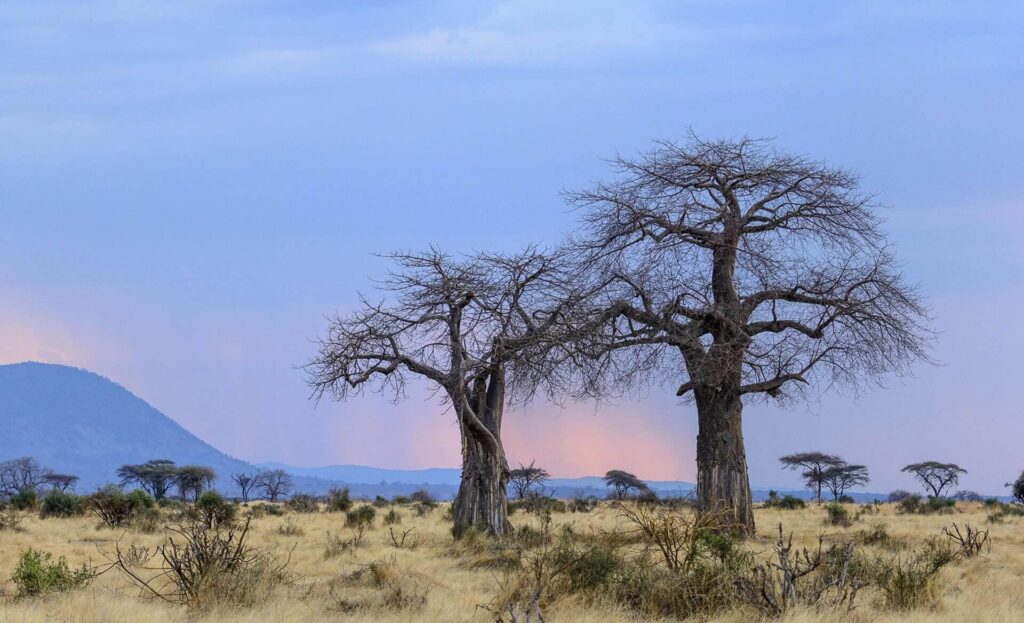
Mikumi National Park
Overview
Mikumi National Park is one of Tanzania’s most accessible and ecologically rewarding safari destinations, offering expansive savannah landscapes, strong wildlife concentrations, and a classic African safari atmosphere without the heavy traffic found in more famous parks. As part of Tanzania’s southern safari circuit, Mikumi plays a vital role in the country’s tourism and conservation landscape, acting as both a gateway park and a serious wildlife destination in its own right.
What sets Mikumi apart is its combination of ease of access and authentic wilderness experience. Wildlife moves freely across open plains, predators hunt in broad daylight, and visitors are able to observe natural behavior in an environment that remains largely uncommercialized. For travelers seeking a genuine Tanzania safari with depth, space, and strong wildlife encounters, Mikumi National Park delivers consistently.
For Jas Safari guests, Mikumi represents an ideal balance between comfort, wildlife density, and meaningful exploration, particularly for travelers with limited time or those combining coastal and inland experiences.
Location and Size of the Park
Mikumi National Park is located in southern Tanzania, positioned between the Uluguru Mountains to the northeast and the Lumango range to the southwest. The park forms part of a much larger ecological system that connects with the vast wilderness of Nyerere National Park, allowing wildlife to move across seasonal grazing and breeding grounds.
The park covers a large expanse of open plains, woodland habitats, seasonal rivers, and wetlands. Its geography supports high visibility for wildlife viewing and creates ideal conditions for predator–prey interaction. Mikumi’s strategic location along a major transport corridor makes it one of the most reachable national parks in Tanzania, yet its interior remains wild, protected, and ecologically intact.
Historical and Conservation Importance
Mikumi National Park was established to protect a critical wildlife corridor within southern Tanzania and to preserve the integrity of open savannah ecosystems that were increasingly under pressure from human expansion. Since its gazettement, the park has played a key role in safeguarding grazing lands, predator territories, and seasonal water catchments essential for wildlife survival.
The park’s conservation importance lies in its connectivity. By forming part of a wider ecosystem, Mikumi allows animals such as elephants, buffalo, and predators to follow natural movement patterns rather than being confined to isolated reserves. Conservation management focuses on habitat protection, anti-poaching measures, and sustainable tourism practices that support long-term ecological health.
Mikumi also serves as a valuable area for ecological research, particularly in understanding savannah dynamics, predator behavior, and seasonal wildlife movement in open landscapes.
Attractions Found in Mikumi National Park
Abundant Wildlife Populations:
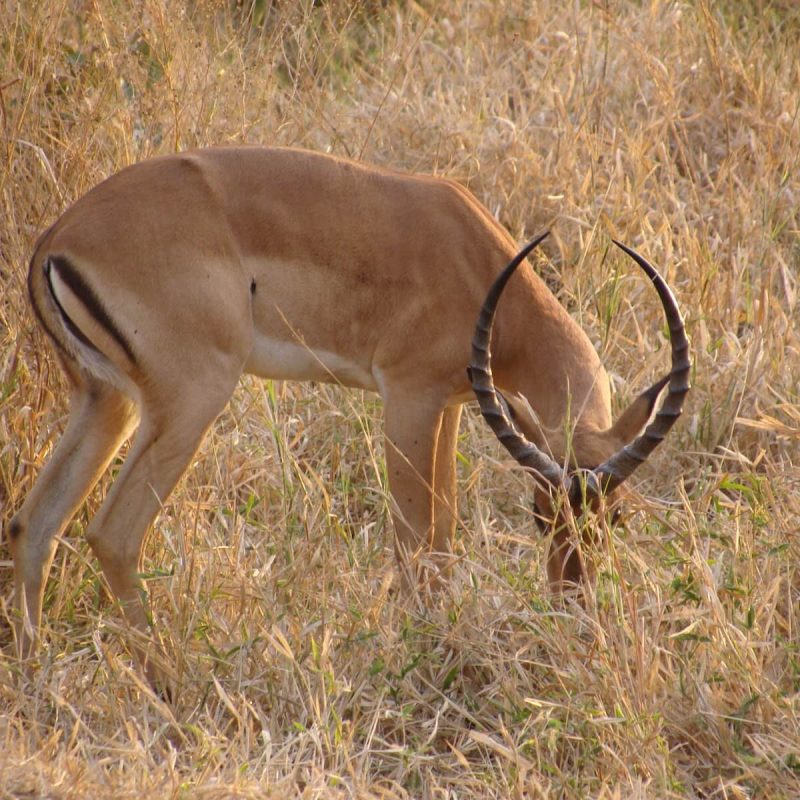
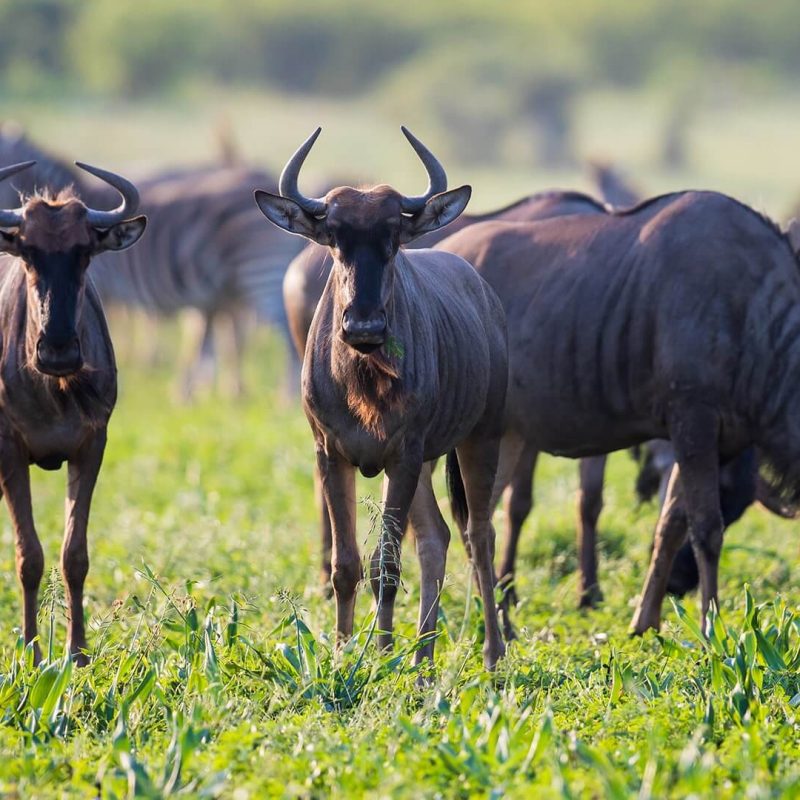
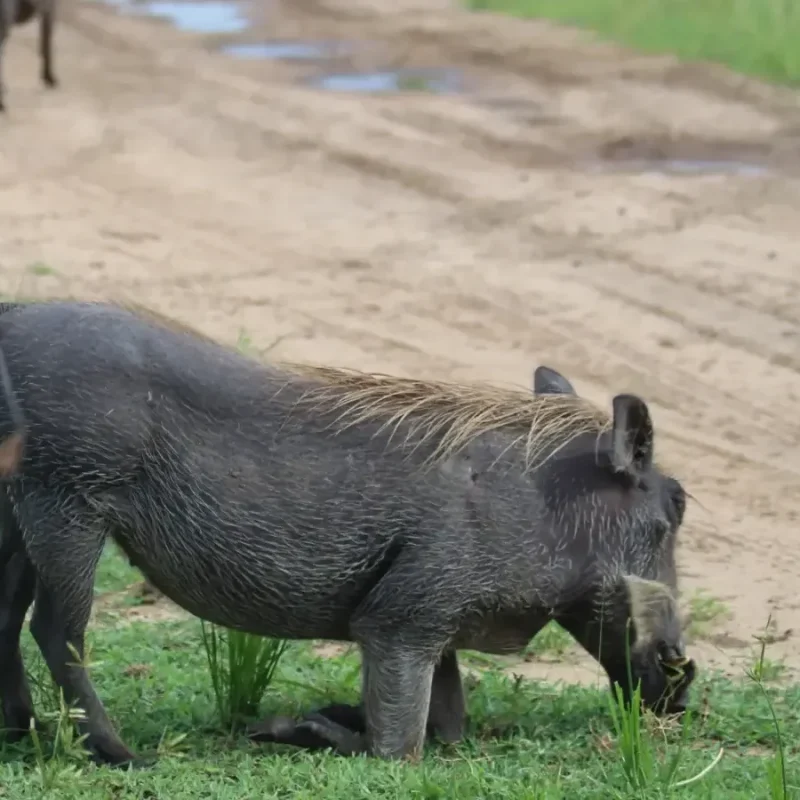
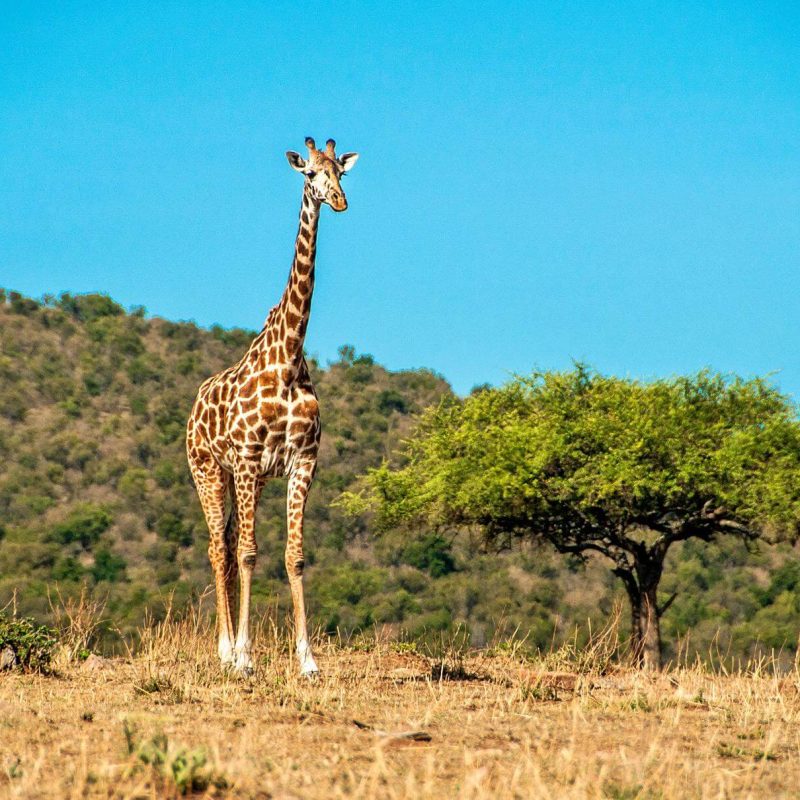
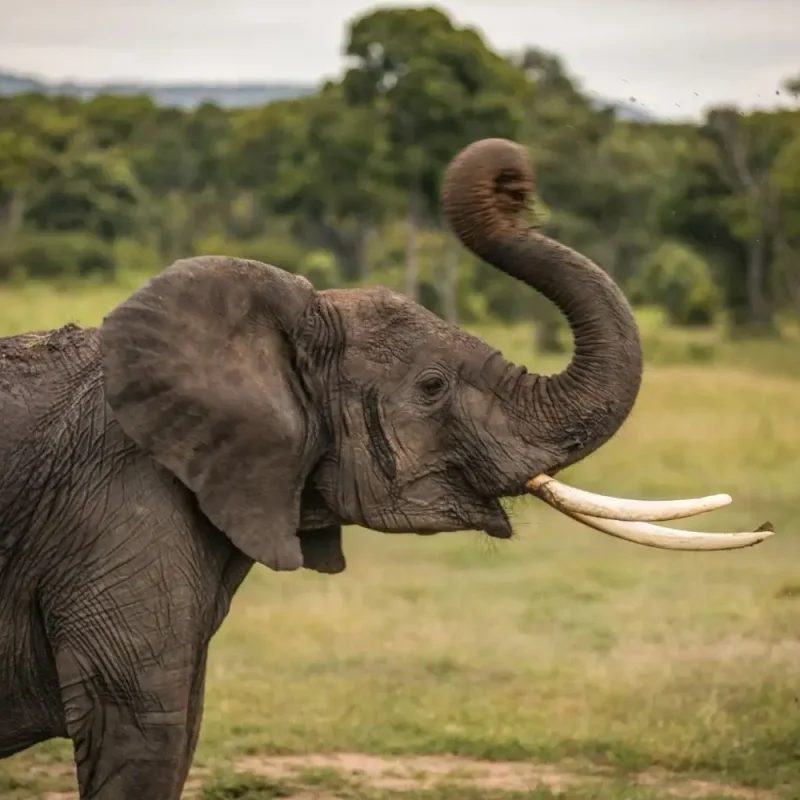
Mikumi supports a wide variety of wildlife species that thrive within its open plains and woodland environments. Large herbivores dominate the landscape, including elephants, giraffes, buffalo, zebra, wildebeest, eland, impala, and waterbuck. These species form large grazing assemblies, particularly during drier periods when water sources become focal points.
The openness of Mikumi’s terrain allows for prolonged observation of wildlife behavior, making encounters feel natural and unforced.
Predator Density and Behavior:
Predators are a defining feature of Mikumi National Park. Lions are frequently encountered and are known for their visibility, often resting in open grasslands or near shaded termite mounds. Spotted hyenas are common and active throughout the day, while leopards inhabit wooded and riverine areas where dense cover supports their hunting style.
Occasional sightings of African wild dogs add a rare and exciting dimension to Mikumi safaris, particularly for experienced safari travelers.
Best Time and Seasons to Visit Mikumi National Park
Dry Season Experience:
During the dry months, vegetation thins and animals concentrate around remaining water sources. This season offers excellent visibility, increased predator activity, and comfortable conditions for extended game drives. Wildlife sightings are consistent, and road conditions allow access to most areas of the park.
Green Season Experience:
The green season transforms Mikumi into a lush and vibrant landscape. Fresh grasses attract grazing animals, and breeding activity among herbivores increases. Birdlife becomes particularly diverse, and dramatic skies enhance the scenic quality of the park.
Although vegetation is denser, wildlife remains abundant, and the park is quieter, making this season appealing for photographers and travelers seeking a more tranquil safari.
Safari Activities in Mikumi National Park
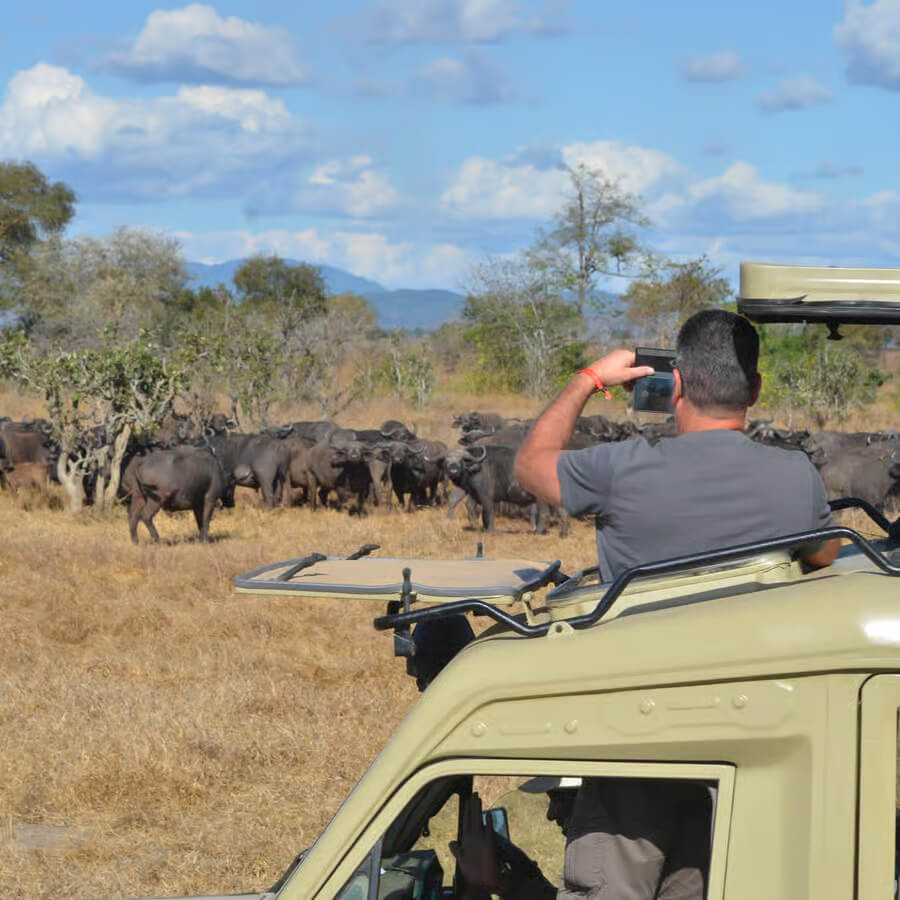
Game drives form the core of the Mikumi safari experience. Morning drives focus on predators returning from nocturnal activity, while afternoon drives highlight grazing herds and interactions near water sources. Full-day game drives allow for deeper exploration of floodplains, woodland edges, and river systems.
Experienced guides interpret tracks, animal behavior, and ecological relationships, providing context that transforms sightings into meaningful encounters.
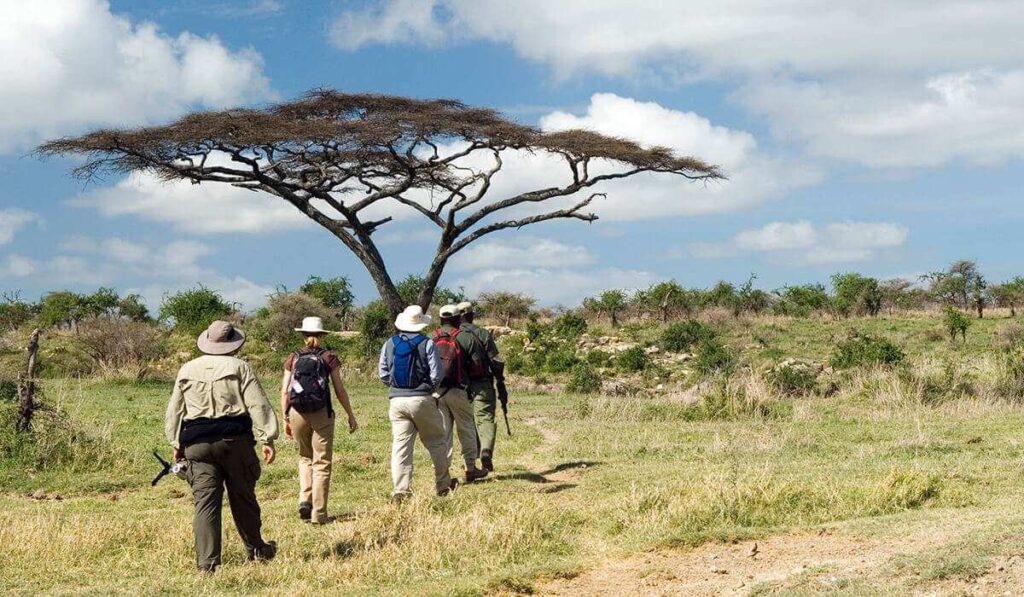
Guided walking safaris are offered in selected areas outside the core wildlife zones. Accompanied by armed rangers, guests explore the bush on foot, learning about animal tracks, plants, insects, and the finer details of the ecosystem that are often missed from a vehicle.
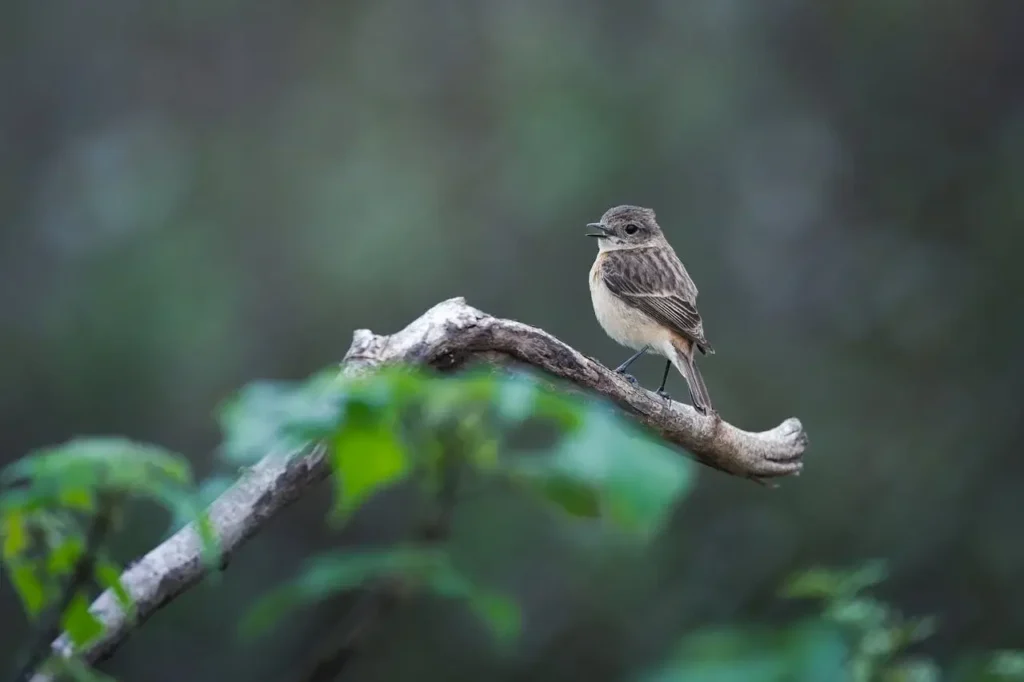
Mikumi is an excellent birding destination, supporting grassland species, woodland birds, and wetland specialists.
Seasonal movements bring additional diversity, and birdwatching can be rewarding throughout much of the year, particularly around riverine habitats.
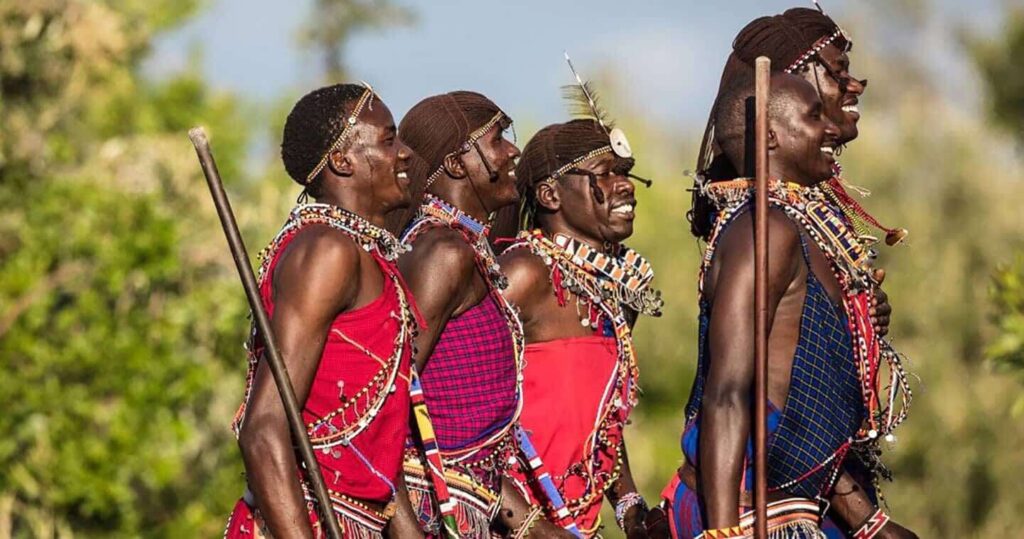
Cultural visits can be arranged in communities surrounding Mikumi National Park. These experiences provide insight into local traditions, rural livelihoods, and the relationship between people and the surrounding environment.
Interactions are conducted respectfully and support community development initiatives.
Accommodation in Mikumi National Park
Luxury Accommodation
Stanley’s Kopje Camp
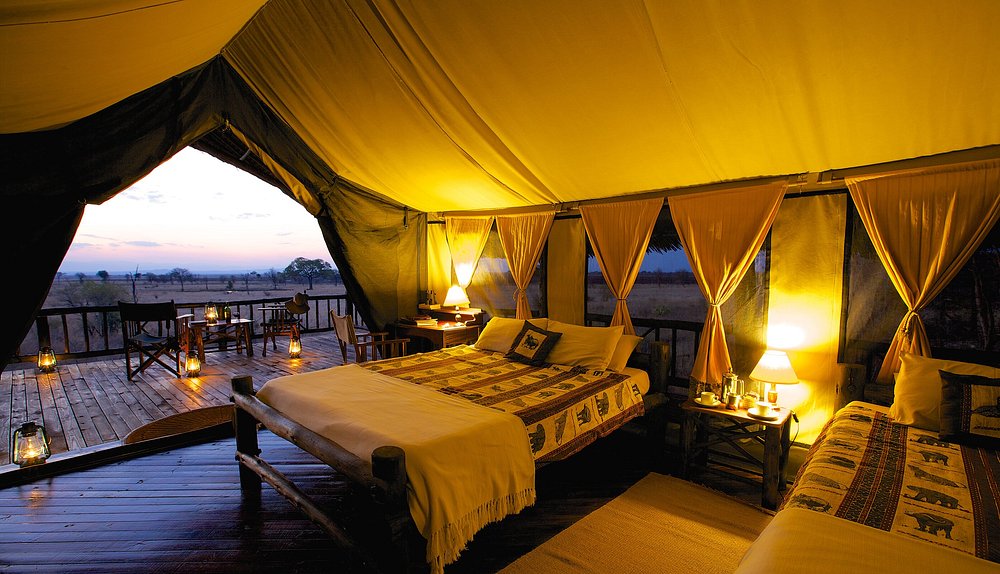
Stanley’s Kopje Camp is one of the most distinctive luxury safari properties associated with Mikumi National Park. Set atop ancient granite outcrops, the camp overlooks expansive plains where wildlife frequently moves throughout the day. The elevated location provides sweeping views and cooling breezes, creating a peaceful and secluded atmosphere. Accommodation is offered in spacious safari tents thoughtfully positioned for privacy, with attentive service, quality dining, and a strong sense of immersion in the surrounding landscape.
Stanley’s Kopje Lodge
Stanley’s Kopje Lodge offers lodge-style accommodation within the same scenic environment as the camp. Solid structures provide additional comfort while maintaining a classic safari aesthetic. Rooms are positioned to capture views across the plains, and communal areas offer relaxed spaces for dining and reflection between game drives.
Mikumi Wildlife Camp
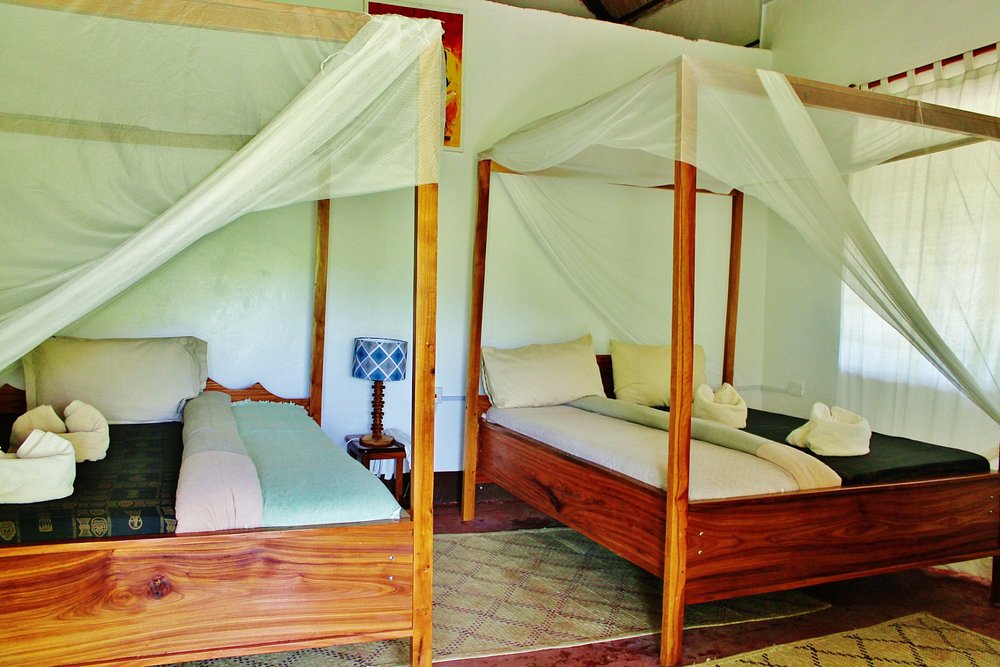
Located inside Mikumi National Park, Mikumi Wildlife Camp benefits from direct access to prime game viewing areas. The camp overlooks a water source that regularly attracts wildlife, allowing guests to observe animals from the comfort of the camp. Accommodation is provided in well-spaced bandas and tents with private facilities, offering a balance of comfort and authenticity within the park.
Foxes Safari Camp Mikumi
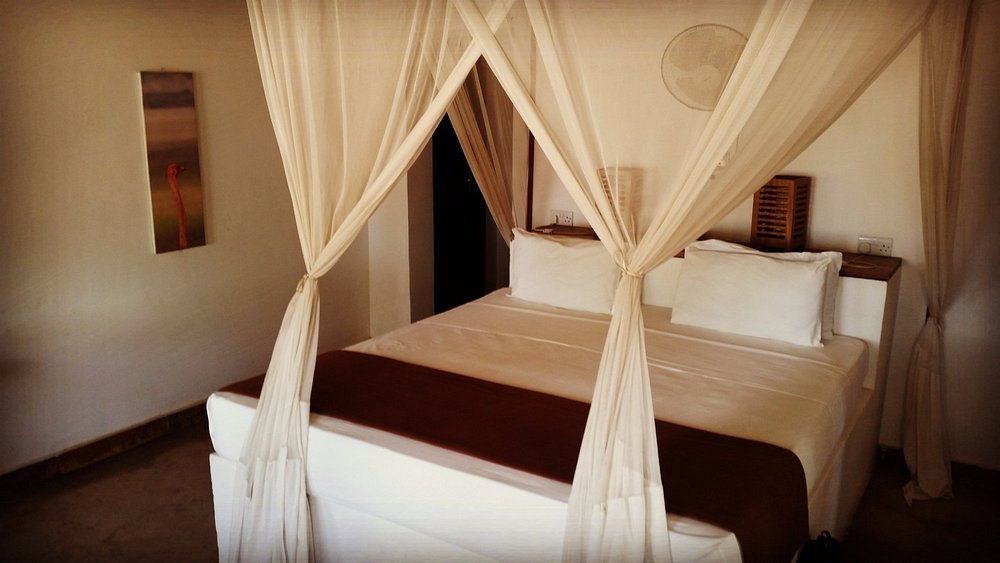
Foxes Safari Camp offers an intimate tented safari experience focused on privacy, personalized service, and a close connection to nature. The camp’s layout and design emphasize simplicity and comfort, making it ideal for travelers seeking a quiet and immersive stay near the park.
Mid-Range and Safari Camps
Camp Bastian Mikumi
Camp Bastian is one of the most popular mid-range lodges near Mikumi National Park. It offers comfortable en-suite rooms, a swimming pool, and open spaces for relaxation. Its proximity to the park entrance makes it a practical and well-balanced choice for many safari itineraries.
Tan-Swiss Lodge
Tan-Swiss Lodge is set in natural bushland close to the park and often attracts wildlife into its surroundings. The lodge features chalet-style accommodation with private facilities and a relaxed, welcoming atmosphere, making it suitable for couples, families, and small groups.
Palmira Wild Camp
Palmira Wild Camp offers tented accommodation that combines comfort with affordability. The camp maintains a traditional safari feel while providing essential amenities and easy access to Mikumi’s wildlife areas.
Why Choose Jas Safari for Mikumi National Park
Jas Safari brings in-depth local knowledge and professional expertise to every Mikumi National Park safari. Our guides understand the park’s wildlife behavior, seasonal changes, and optimal viewing areas, ensuring that each safari is both productive and thoughtfully paced.
Safari Packing List for Mikumi National Park
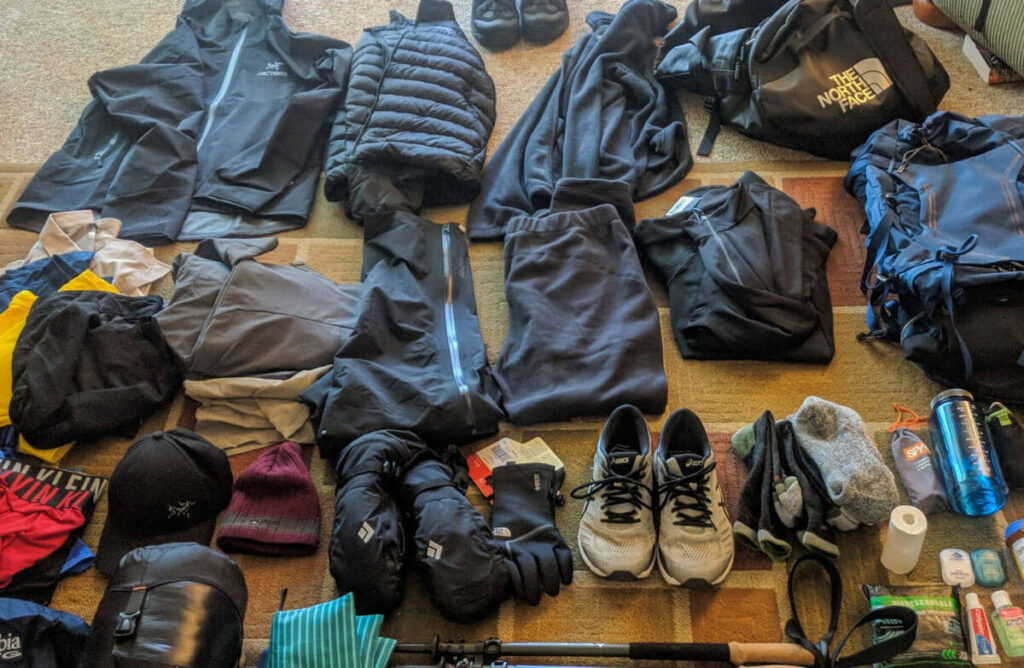
Packing for Mikumi National Park should emphasize comfort, practicality, and adaptability to changing conditions. Lightweight clothing in neutral tones is recommended to blend with the environment and remain comfortable during warm days. Long-sleeved shirts and light jackets are useful for early morning game drives and cooler evenings.
Essential items include sun protection, insect repellent, personal medications, binoculars for wildlife viewing, cameras with sufficient storage, and a small daypack for game drives. All travel documents, including passports and travel insurance, should be easily accessible throughout the journey.
Weather and Climate
Mikumi National Park experiences a warm climate throughout the year, with daytime conditions suitable for wildlife viewing and outdoor activities. Early mornings and evenings are cooler, providing comfortable conditions for game drives.
Rainfall shapes the park’s seasonal character, influencing vegetation growth and wildlife movement. Dry periods favor visibility and predator activity, while greener months bring lush landscapes, active breeding behavior, and rich birdlife. Each season offers distinct advantages, allowing travelers to choose based on personal preferences.
Mikumi National Park Zones and Habitats
Mikumi National Park is defined by open floodplains, acacia-dotted savannah, woodland areas, and seasonal waterholes.
The park can be broadly divided into the Mkata Floodplain, surrounding grasslands, miombo woodland, and rocky outcrops near the mountain foothills. Each habitat contributes to Mikumi’s accessible yet diverse ecosystem.
The Mkata Floodplain forms the ecological heart of the park, attracting large numbers of buffaloes, zebras, wildebeest, and elephants. Its open terrain allows excellent wildlife visibility throughout much of the year.
Mikumi National Park Safari Experience
Mikumi National Park offers a safari experience defined by openness, balance, and authenticity. The park’s landscapes allow wildlife behavior to unfold naturally, free from heavy congestion or artificial pacing.
With Jas Safari, Mikumi becomes a carefully guided exploration of southern Tanzania’s wilderness, combining accessibility, strong wildlife encounters, and thoughtful safari planning into a rewarding and memorable journey.
Plan Your Mikumi National Park Safari with Jas Safari
A safari in Mikumi National Park offers an accessible yet rewarding wildlife experience set across open floodplains and acacia-dotted savannah. Known for its clear game-viewing opportunities, diverse herbivore populations, and strong predator presence, Mikumi provides a classic southern Tanzania safari in a relaxed and well-balanced setting.
Other Southern Related Destinations
Mikumi National Park
Nyerere National Park