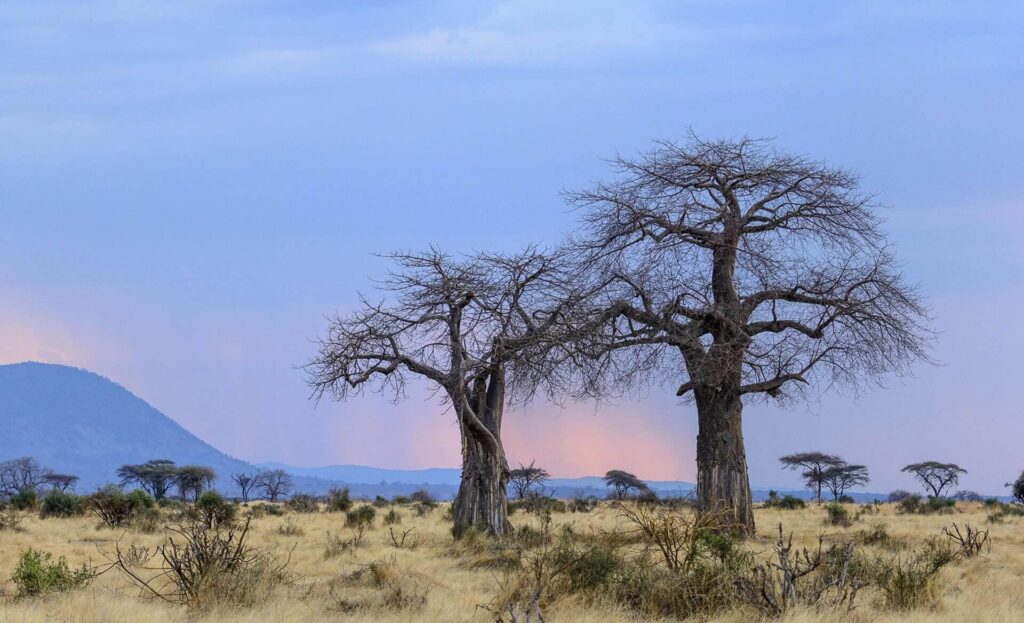
Nyerere National Park
Overview
Nyerere National Park is one of Africa’s largest and most ecologically significant protected wilderness areas, offering a safari experience defined by scale, remoteness, and extraordinary biodiversity. Located in southern Tanzania, the park represents the core of the former Selous ecosystem and stands as one of the continent’s last great untouched landscapes.
Unlike traditional savannah-focused parks, Nyerere is shaped by a powerful river system, vast floodplains, woodlands, lakes, and palm-fringed channels. This diversity creates a safari experience unlike any other in Tanzania, combining classic game drives with boat safaris and walking experiences that reveal wildlife from multiple perspectives.
For travelers seeking depth, exclusivity, and immersion in true wilderness, Nyerere National Park offers a safari that feels raw, expansive, and profoundly authentic. With Jas Safari, guests explore this immense landscape with experienced guides who understand its complexity and rhythm.
Location and Size of the Park
Nyerere National Park is located in southern Tanzania, stretching across a vast area south of the Rufiji River basin. It forms the heart of the greater Selous ecosystem, one of the largest protected wilderness regions in Africa.
The park covers an immense area of varied terrain, including river systems, lakes, open floodplains, miombo woodlands, and palm-lined channels. This enormous size allows wildlife to roam freely, maintaining natural population dynamics and reducing pressure from human activity.
Its remoteness is a defining feature, ensuring that safari experiences remain uncrowded and deeply connected to the natural environment.
Historical and Conservation Importance
Nyerere National Park holds exceptional conservation value due to its size, biodiversity, and historical role in protecting one of Africa’s most important ecosystems. Formerly part of the Selous Game Reserve, the area was reclassified to strengthen protection and conservation management.
The park plays a critical role in safeguarding habitats for elephants, African wild dogs, large predator populations, and countless bird species. Conservation efforts focus on anti-poaching initiatives, habitat protection, and sustainable tourism practices that support long-term ecological health.
Nyerere National Park also serves as an important research area for studying river-based ecosystems, wildlife movement across vast landscapes, and predator-prey dynamics in less fragmented environments.
Attractions Found in Nyerere National Park
Exceptional Wildlife Diversity:
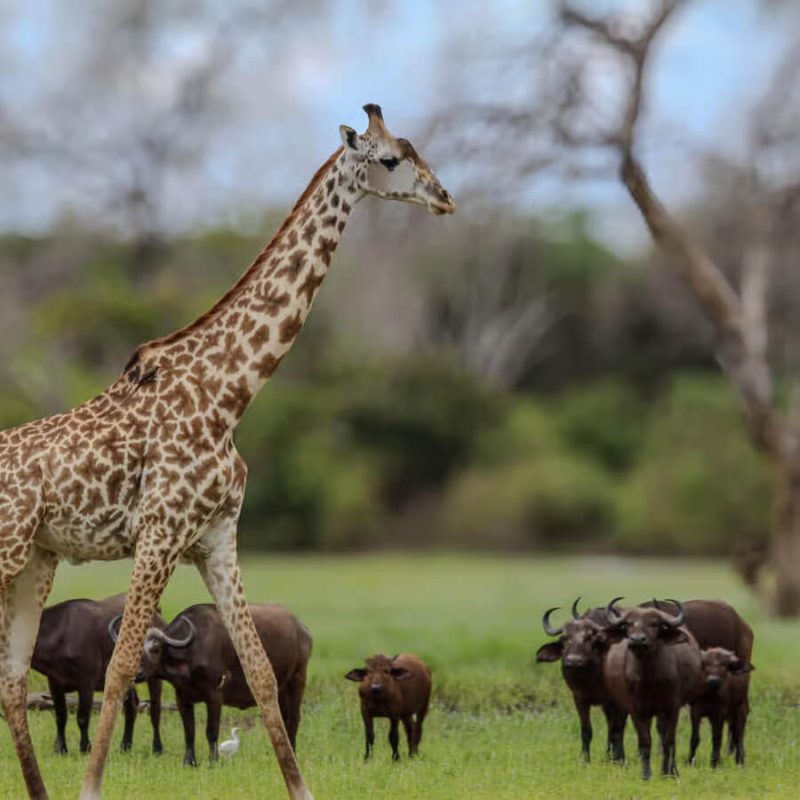
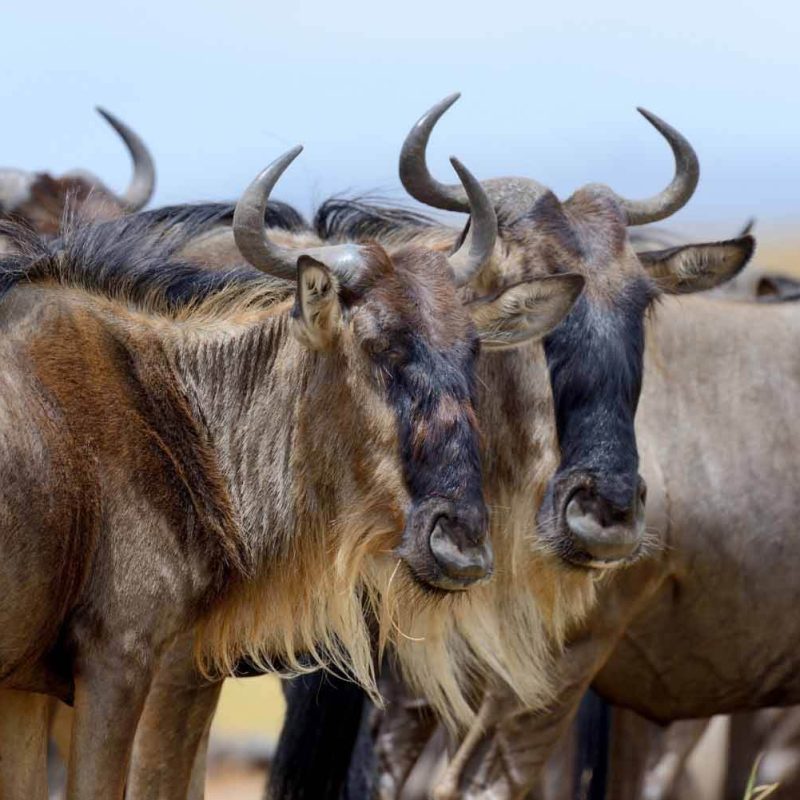
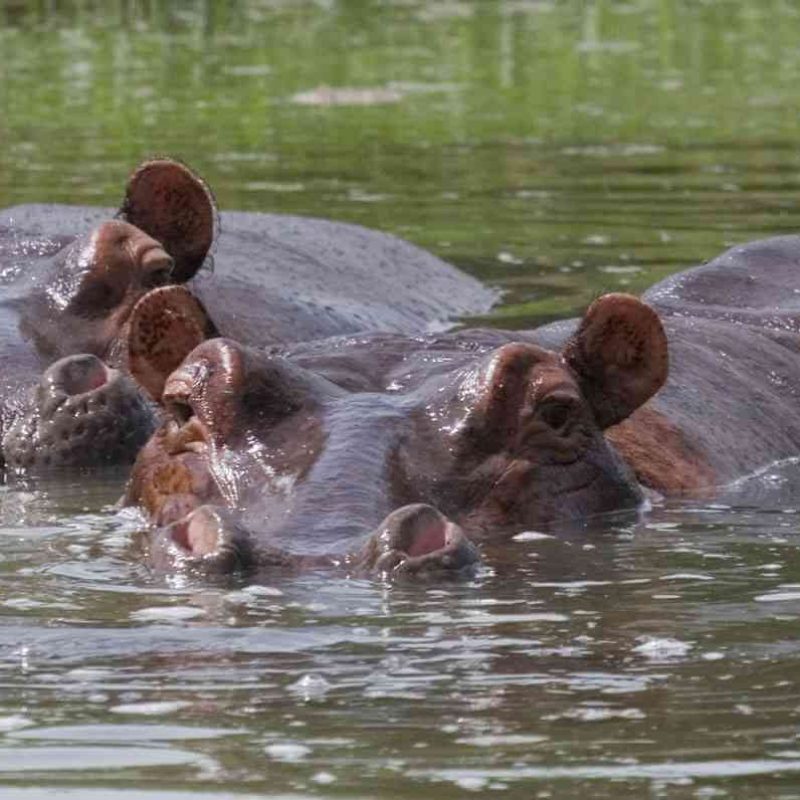
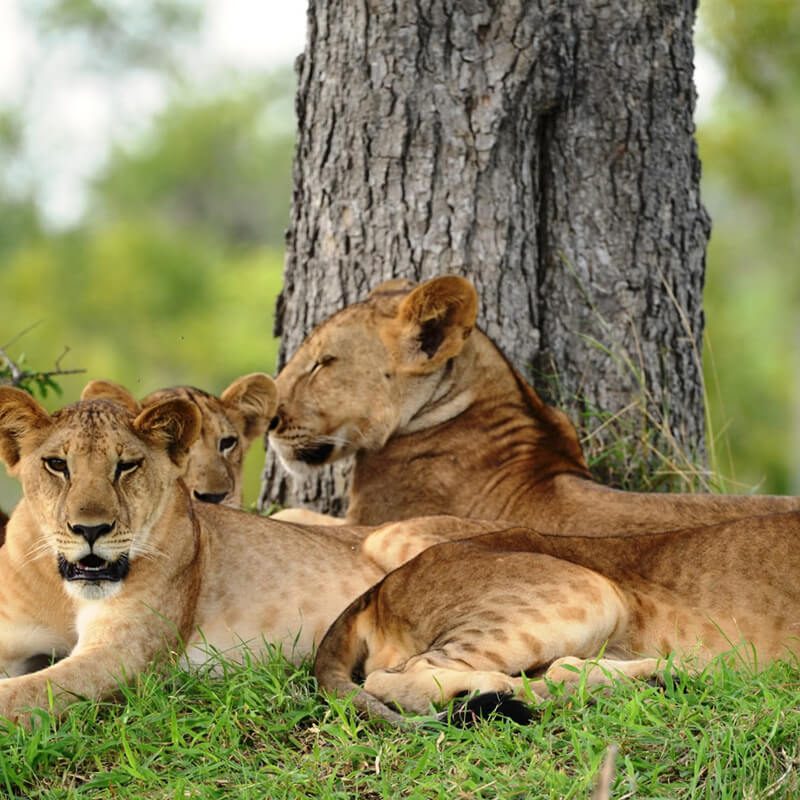
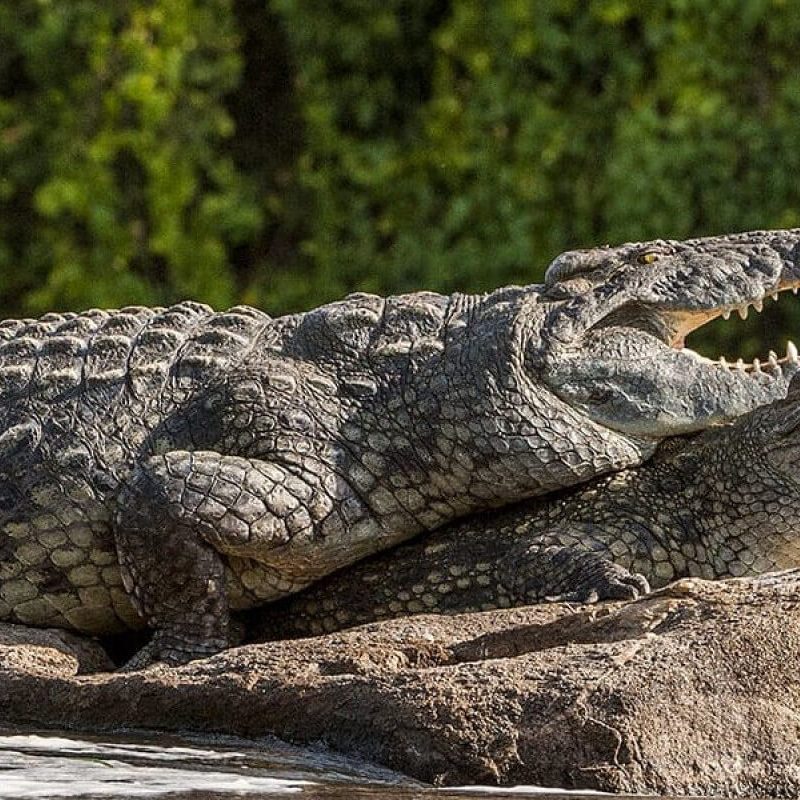
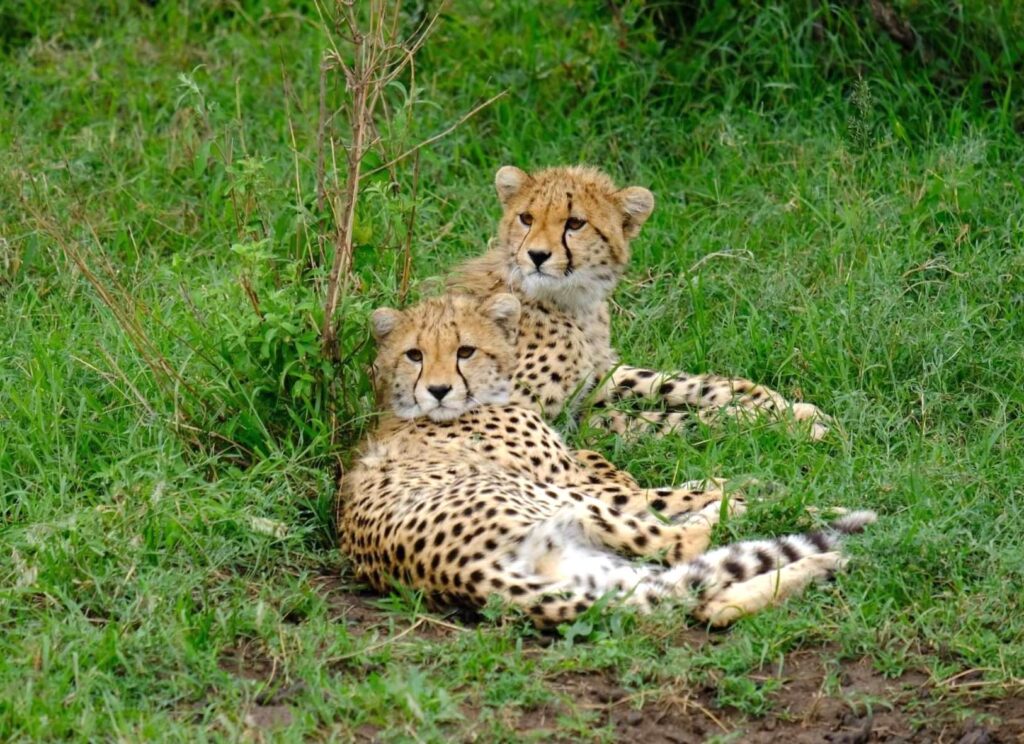
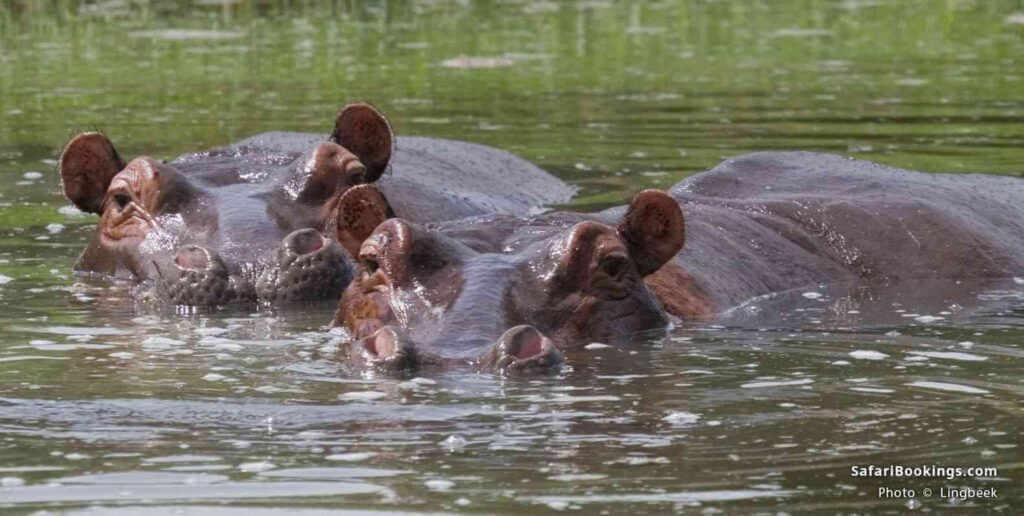
Nyerere supports an impressive range of wildlife species adapted to its varied habitats. Large populations of elephants move through woodlands and along riverbanks, while buffalo form extensive herds across floodplains. Giraffes, zebra, wildebeest, hippos, and crocodiles are commonly encountered throughout the park.
The park is particularly known for its strong populations of African wild dogs, one of the continent’s most endangered predators, as well as lions and leopards that thrive in the park’s vast hunting territories.
River Systems and Aquatic Landscapes:
The Rufiji River and its network of channels, lakes, and lagoons define much of Nyerere’s character. These waterways support dense concentrations of wildlife and create unique safari opportunities unavailable in most other national parks.
Riverbanks attract animals throughout the day, making sightings frequent and prolonged, especially during drier periods.
Best Time and Seasons to Visit Nyerere National Park
Dry Season Experience:
During drier months, wildlife concentrates around permanent water sources, particularly rivers and lakes. Game drives become highly productive, and boat safaris offer exceptional close-range wildlife viewing.
Road conditions improve, allowing access to wider areas of the park, while cooler mornings provide comfortable conditions for extended activities.
Green Season Experience:
The green season brings fresh vegetation, abundant water, and dramatic scenery. Wildlife disperses more widely, but the park becomes rich in birdlife and breeding activity.
This season is ideal for travelers seeking lush landscapes, fewer visitors, and immersive photographic opportunities.
Safari Activities in Nyerere National Park
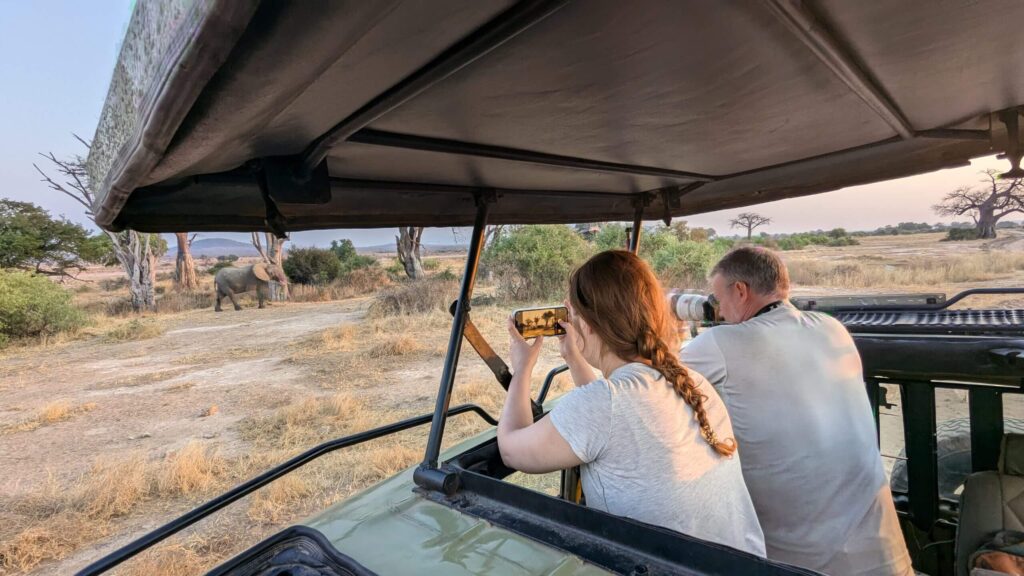
Game drives in Nyerere explore vast territories where wildlife encounters feel natural and unpressured. Drives often focus on riverbanks, floodplains, and woodland edges where animal activity is highest.
The sheer size of the park ensures a sense of exclusivity, with vehicles often traveling long distances without encountering others.
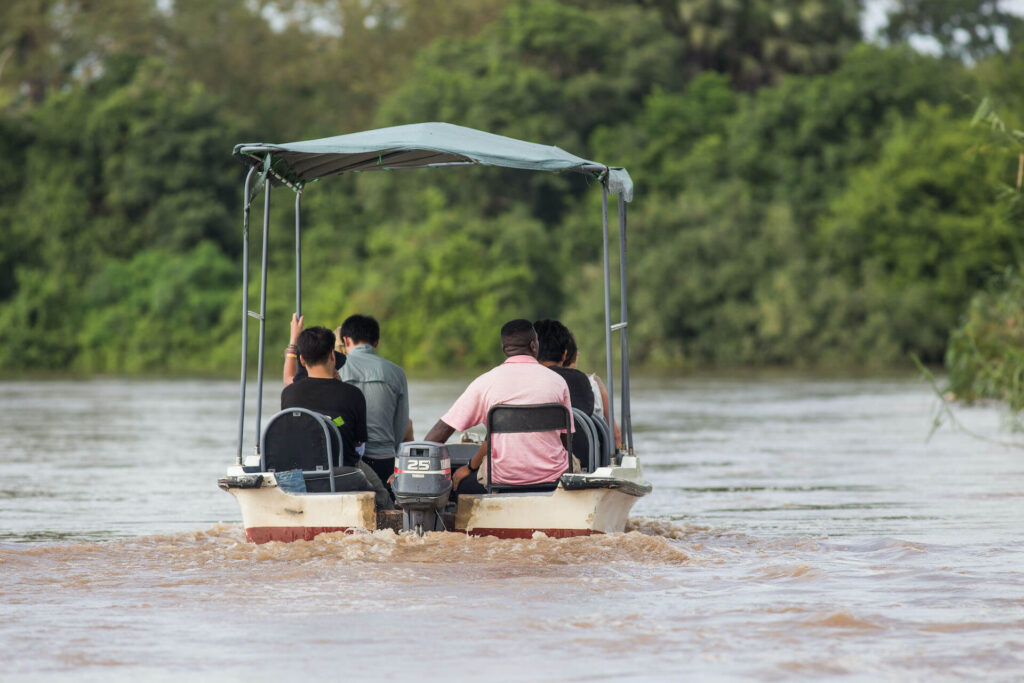
Boat safaris are a defining feature of Nyerere National Park. Conducted along rivers and lakes, these excursions offer a unique perspective on wildlife, including hippos, crocodiles, elephants, and birdlife.
Boat safaris provide exceptional photographic opportunities and allow close observation of animal behavior without disturbance.
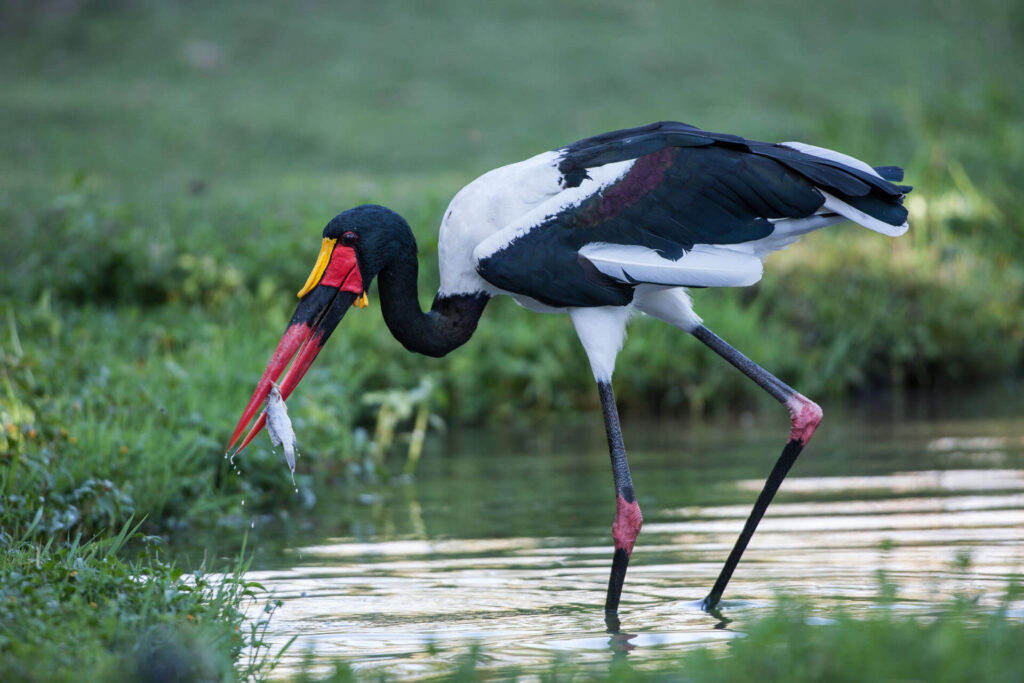
Nyerere is one of Tanzania’s premier birding destinations, with habitats that support waterbirds, woodland species, and migratory birds. The diversity of environments makes birdwatching rewarding throughout much of the year.
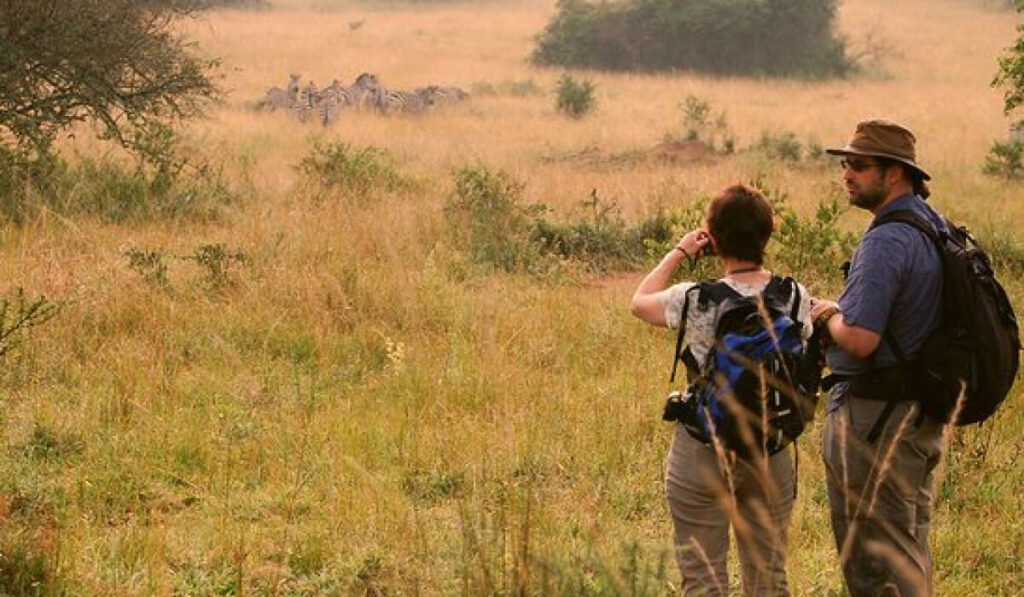
Guided walking safaris allow guests to explore the bush on foot, accompanied by armed rangers and expert guides.
These walks focus on tracks, plants, insects, and ecological interpretation, offering an intimate understanding of the environment.
Accommodation in Nyerere National Park
Luxury Accommodation
Serena Mivumo River Lodge
Serena Mivumo River Lodge is set along a dramatic bend of the Rufiji River, offering elevated views across water channels where hippos, crocodiles, and elephants are frequently seen. The lodge features elegant chalets designed to blend with the environment, combining comfort, privacy, and strong wildlife presence. Boat safaris depart directly from the lodge, making it ideal for river-focused exploration.
Siwandu Camp
Siwandu Camp is a refined tented safari camp positioned near lakes and waterways within the park. The camp offers spacious tents with en-suite facilities, attentive service, and a tranquil atmosphere. Its location provides excellent access to boat safaris, game drives, and walking experiences, creating a well-rounded safari base.
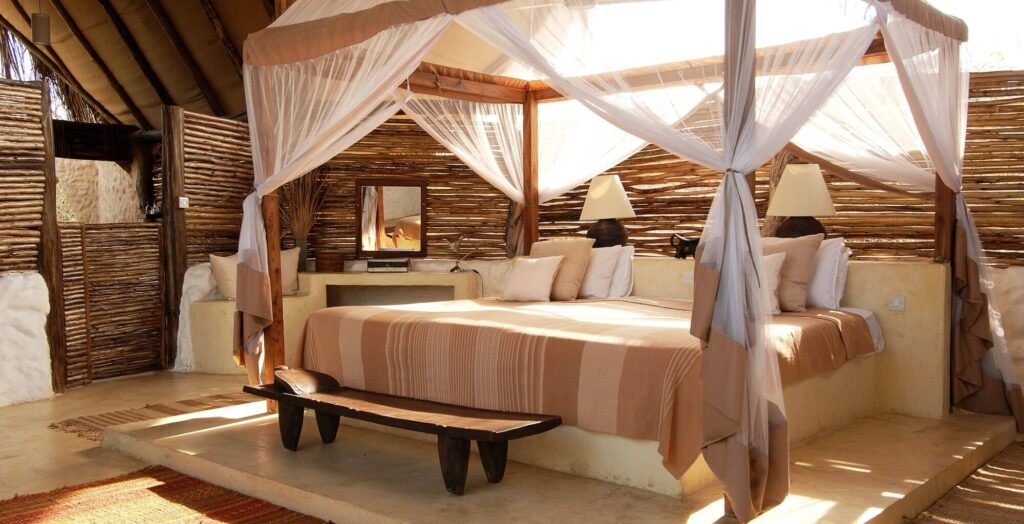
Serena Safari Camp (Nyerere Area)
This camp delivers a traditional safari feel supported by professional service standards. Positioned to access prime wildlife areas, it offers comfortable tented accommodation and communal spaces designed for relaxation between activities.
Kiba Point
Kiba Point is an exclusive-use luxury camp designed for privacy and personalization. With only a small number of rooms, the camp offers tailored activities, private guides, and a highly intimate safari experience. It is particularly suited to families or small groups seeking exclusivity.
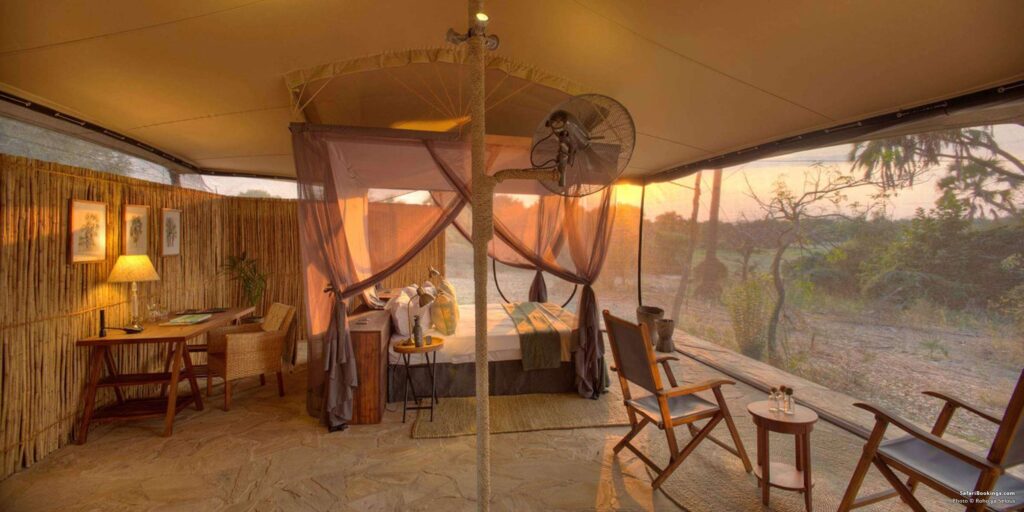
Mid-Range and Safari Camps
Lake Manze Camp
Lake Manze Camp is a classic tented safari camp known for its authentic atmosphere and excellent wildlife location. Set near a lake that attracts animals throughout the day, the camp offers simple but comfortable tents and a strong connection to the surrounding wilderness.
Nyerere Tented Camp
This camp provides comfortable tented accommodation with good value, combining access to game drives, boat safaris, and walking experiences. It is suitable for travelers seeking a balance between comfort and cost while remaining within wildlife-rich areas.
Rufiji River Camp
Located along the Rufiji River, this camp offers both land and water-based safari activities. The relaxed, traditional safari atmosphere and riverfront setting make it a favorite for travelers who enjoy varied daily experiences.
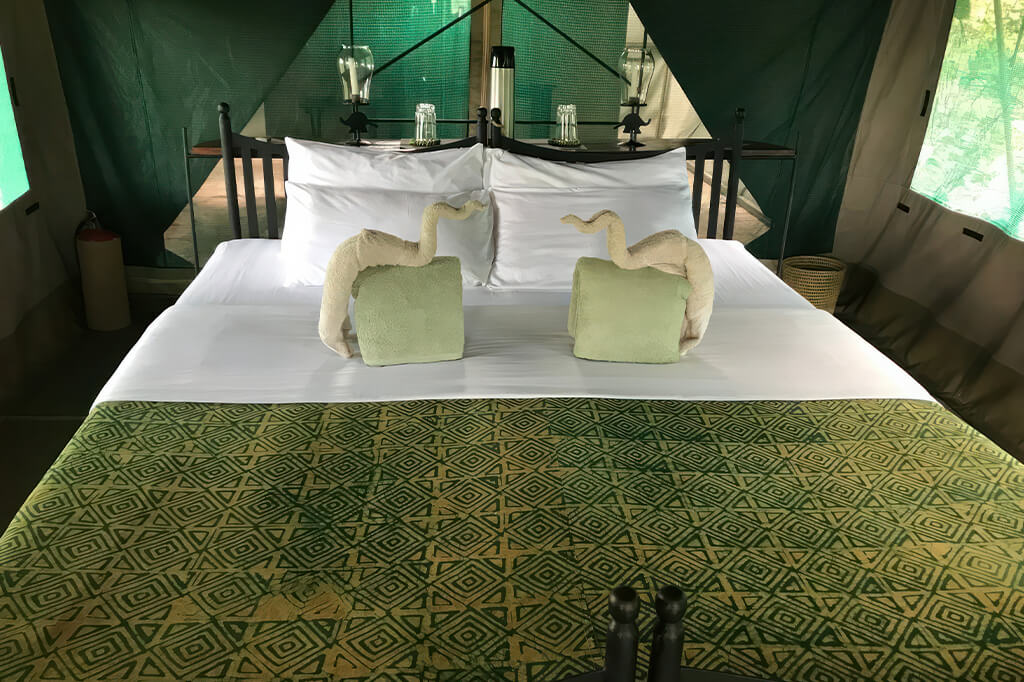
Budget Accommodation in Nyerere National Park
Budget accommodation in Nyerere National Park is designed for travelers who prioritize wildlife access and guiding quality over luxury amenities. These camps focus on simplicity, safety, and immersion in the natural environment.
Africa Safari Selous
Africa Safari Selous offers permanent tented accommodation with basic en-suite facilities and comfortable beds. The camp provides a relaxed safari atmosphere and access to game drives and river activities, making it a strong budget option without sacrificing experience.
Selous Kinga Lodge
Selous Kinga Lodge provides simple lodge-style rooms in a natural setting near the park. The emphasis is on functionality, friendly service, and convenient safari logistics.
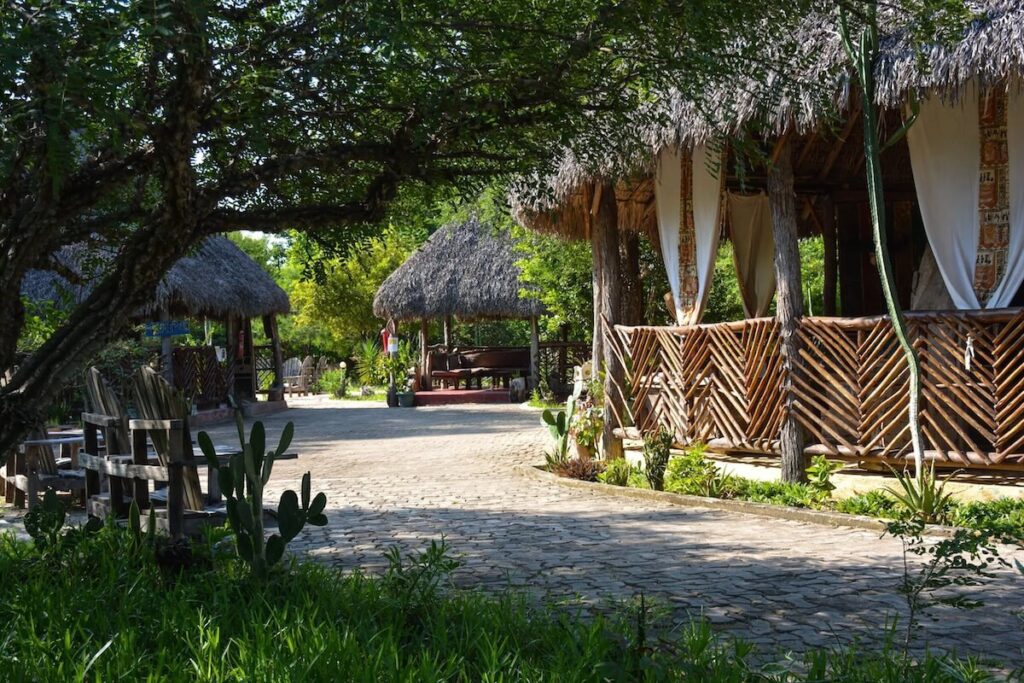
Mloka Safari Camp
Located near the traditional gateway to the park, Mloka Safari Camp offers basic tented accommodation and communal dining. It is well suited to adventurous travelers seeking an authentic and affordable safari stay.
Nyerere Safari Camp (Budget Category)
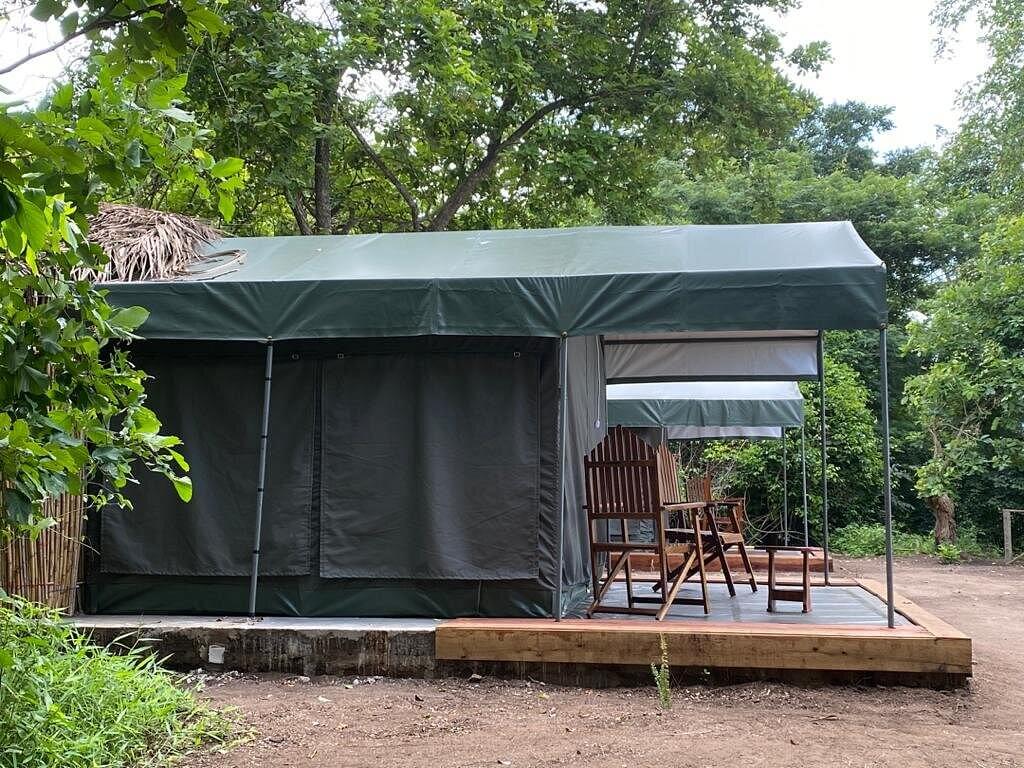
This camp offers straightforward tented accommodation in a bush setting, focusing on proximity to wildlife areas and guided safari activities.
Public Campsites (Guided Use)
For experienced travelers, guided stays at designated public campsites offer a raw and immersive wilderness experience. These are fully supported by safari staff and are ideal for those seeking maximum connection with nature.
Why Choose Jas Safari for Nyerere National Park
Jas Safari brings extensive experience and local knowledge to Nyerere National Park safaris. Our guides understand the park’s river systems, seasonal changes, and wildlife movement patterns, allowing them to plan activities at the right time and in the right locations.
Safari Packing List for Nyerere National Park
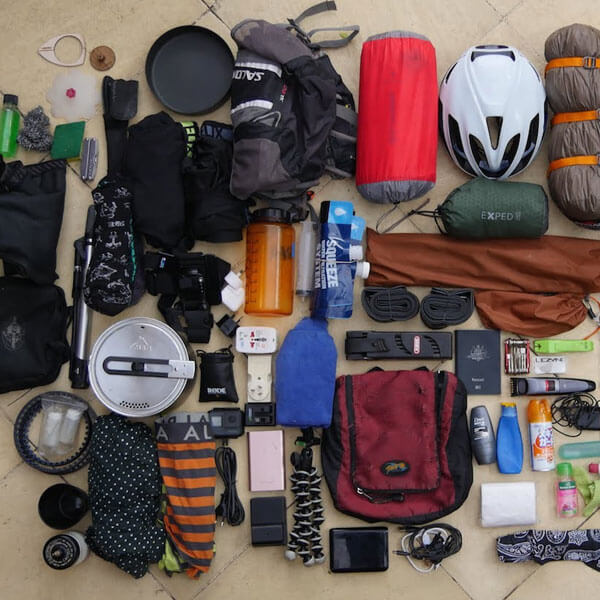
Packing for Nyerere National Park should emphasize versatility and comfort. Lightweight neutral-colored clothing is recommended for warm days, while long sleeves and light jackets are useful for cooler mornings and evenings. Sturdy walking shoes are essential for walking safaris, and a small daypack is helpful for boat excursions.
Other essentials include sun protection, insect repellent, binoculars, cameras with adequate storage, personal medications, and all travel documents.
Weather and Climate
Nyerere National Park experiences warm conditions throughout the year, with seasonal rainfall shaping the landscape and wildlife distribution. Dry periods bring concentrated wildlife activity along rivers and lakes, while greener months offer lush scenery and abundant birdlife.
Water levels in the Rufiji River system influence safari activities, particularly boat safaris, making seasonal planning an important part of itinerary design.
Nyerere National Park Zones and Habitats
Nyerere National Park is defined by vast river systems, open floodplains, woodland savannah, and seasonal wetlands. The park can be broadly divided into riverine corridors, oxbow lakes, open grasslands, and miombo woodlands. Each habitat supports distinct wildlife communities and contributes to the park’s ecological richness.
The Rufiji River forms the lifeline of the park, creating channels, lagoons, and sandbanks that attract hippos, crocodiles, elephants, and abundant birdlife throughout the year.
Nyerere National Park Safari Experience
Nyerere National Park offers one of Tanzania’s most immersive and varied safari experiences. Its immense scale, river-based ecosystems, and low visitor density create a sense of exploration rarely found elsewhere.
With Jas Safari, Nyerere becomes a carefully guided journey into one of Africa’s last great wilderness areas, shaped by expertise, patience, and deep respect for the land.
Plan Your Nyerere National Park Safari with Jas Safari
A safari in Nyerere National Park offers a vast and tranquil wilderness experience shaped by the mighty Rufiji River and expansive floodplains. Renowned for boat safaris, diverse ecosystems, and strong populations of elephants, hippos, and African wild dogs, Nyerere delivers an authentic and unhurried southern Tanzania journey.
Other Southern Related Destinations
Mikumi National Park
Nyerere National Park