Ruaha National Park
Overview
Ruaha National Park is Tanzania’s largest national park and one of East Africa’s most ecologically diverse and dramatic wilderness areas. Located in the heart of southern Tanzania, Ruaha offers a safari experience defined by vast scale, raw landscapes, and exceptional predator populations. Unlike more commercial safari destinations, Ruaha remains largely untouched, delivering an atmosphere of true exploration where wildlife encounters feel organic and unpressured.
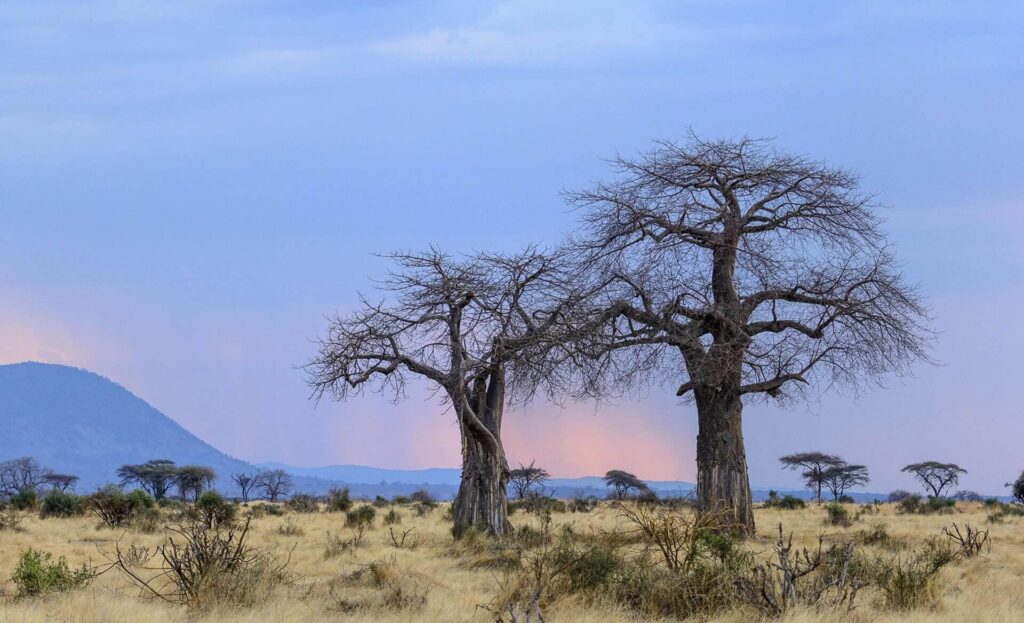
The park is renowned for its rugged scenery, ancient baobab trees, rocky escarpments, and the life-giving Great Ruaha River. These features combine to create a safari environment that is both visually striking and biologically rich. For travelers seeking a serious Tanzania safari with depth, authenticity, and low visitor density, Ruaha National Park stands among the country’s most rewarding destinations.
With Jas Safari, Ruaha is explored through carefully planned itineraries led by experienced guides who understand the park’s complexity, seasonal rhythms, and hidden wildlife corridors.
Location and Size of the Park
Ruaha National Park is situated in south-central Tanzania, forming the core of the greater Ruaha-Rungwa ecosystem. The park lies west of Iringa and extends across a vast expanse of savannah, woodland, river systems, and rocky outcrops.
Covering an immense area, Ruaha surpasses all other national parks in Tanzania in size. This scale allows wildlife to roam freely across natural habitats, supporting healthy populations of large mammals and predators while minimizing human pressure.
The park’s isolation is a defining feature, ensuring that safari experiences remain uncrowded and deeply connected to the natural environment.
Historical and Conservation Importance
Ruaha National Park plays a crucial role in the conservation of Tanzania’s southern ecosystems. Originally established to protect the Great Ruaha River catchment and surrounding habitats, the park has grown in importance as surrounding landscapes face increasing human activity. Ruaha is a key refuge for large elephant populations, predators, and rare species adapted to arid environments.
Its position within a larger protected ecosystem ensures genetic diversity and seasonal movement for wide-ranging species. Ongoing conservation efforts focus on habitat protection, anti-poaching initiatives, and sustainable tourism practices that support both wildlife and surrounding communities.
Attractions Found in Ruaha National Park
Exceptional Predator Populations:
Ruaha is widely regarded as one of Tanzania’s premier predator destinations. The park supports large and stable populations of lions, often forming impressive prides adapted to hunting in open and rugged terrain. Leopards are commonly encountered along river systems and rocky outcrops, while spotted hyenas are abundant and active throughout the day.
The park is also known for its healthy populations of African wild dogs, making it one of the best places in Tanzania to observe this rare predator.
Diverse Wildlife Species:
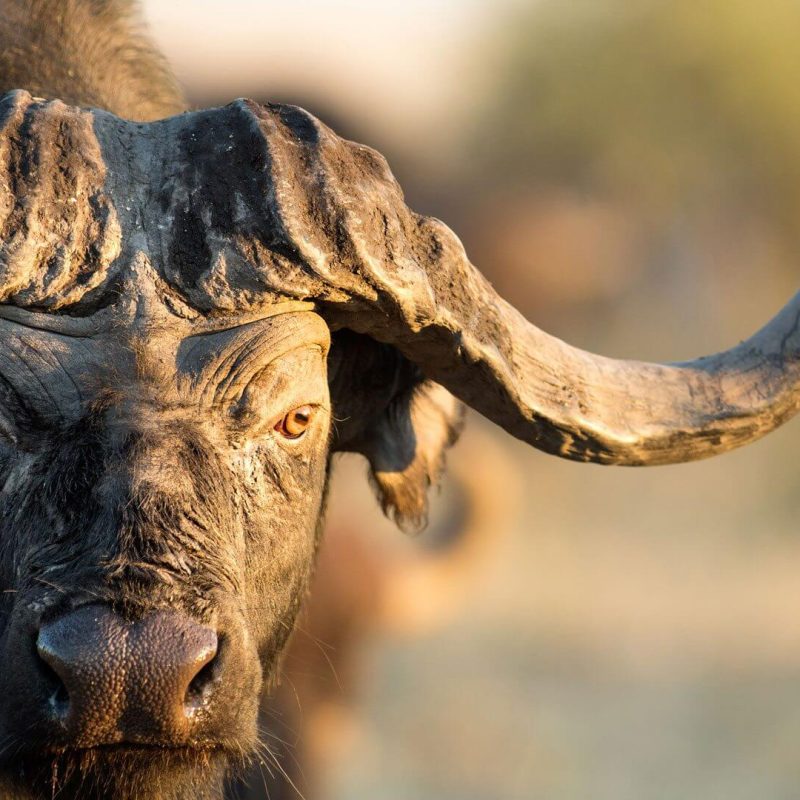
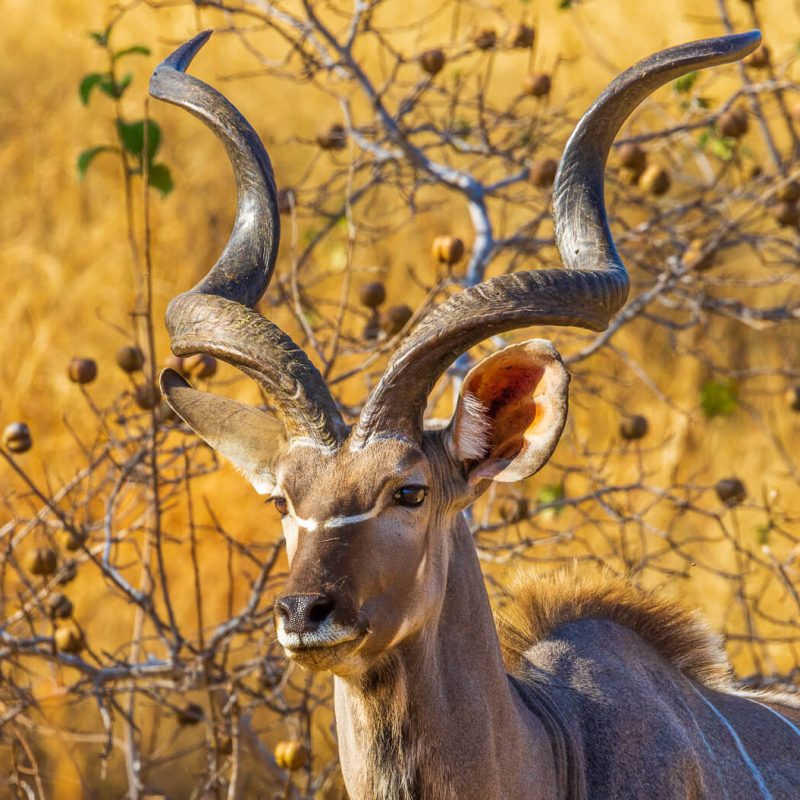
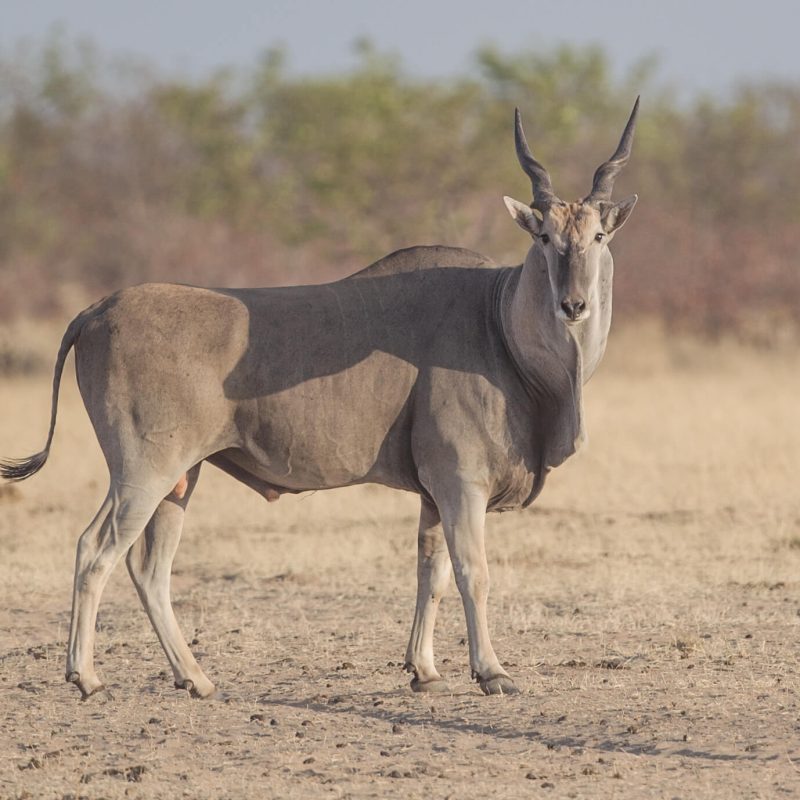
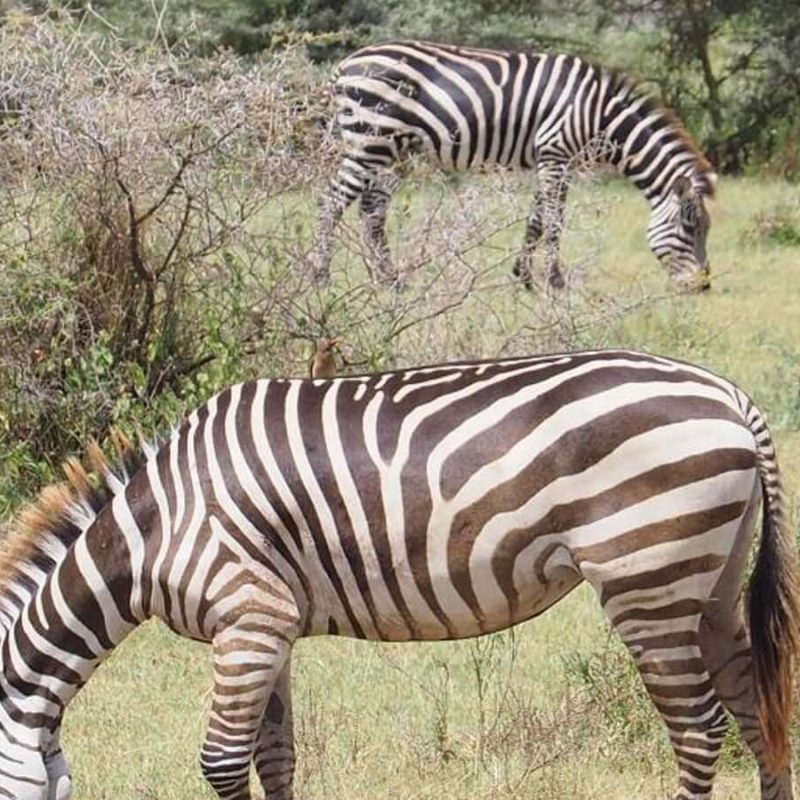
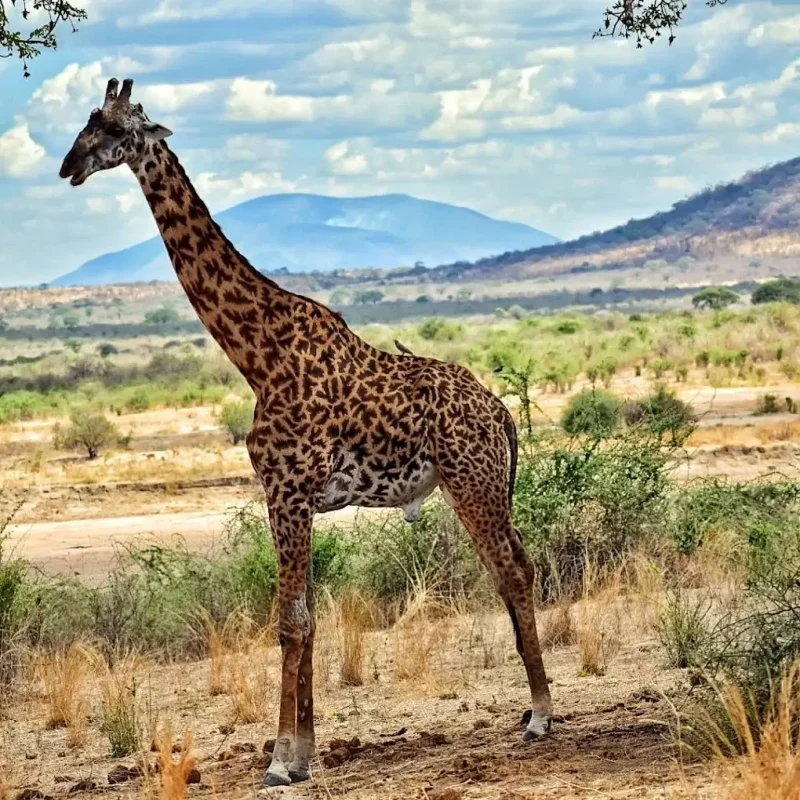
Ruaha hosts a remarkable mix of East African and southern African species, creating unique biodiversity. Elephants are numerous, with large herds frequently seen along riverbanks. Giraffes, buffalo, zebra, kudu, sable antelope, roan antelope, and impala are regularly encountered.
This blending of species from different ecological zones sets Ruaha apart from other parks in Tanzania.
Best Time and Seasons to Visit Ruaha National Park
Dry Season Experience:
During drier months, wildlife concentrates along the Great Ruaha River and remaining water sources. This period offers outstanding game viewing, particularly for predators, as animals are easier to locate and observe.
Road conditions improve, allowing access to remote areas, while cooler mornings provide comfortable conditions for extended game drives.
Green Season Experience:
The green season brings new life to Ruaha’s landscapes, with fresh vegetation, dramatic skies, and active breeding behavior among herbivores. Birdlife flourishes, and the park takes on a quieter, more intimate atmosphere.
While wildlife disperses more widely, sightings remain rewarding, particularly along river systems.
Safari Activities in Ruaha National Park
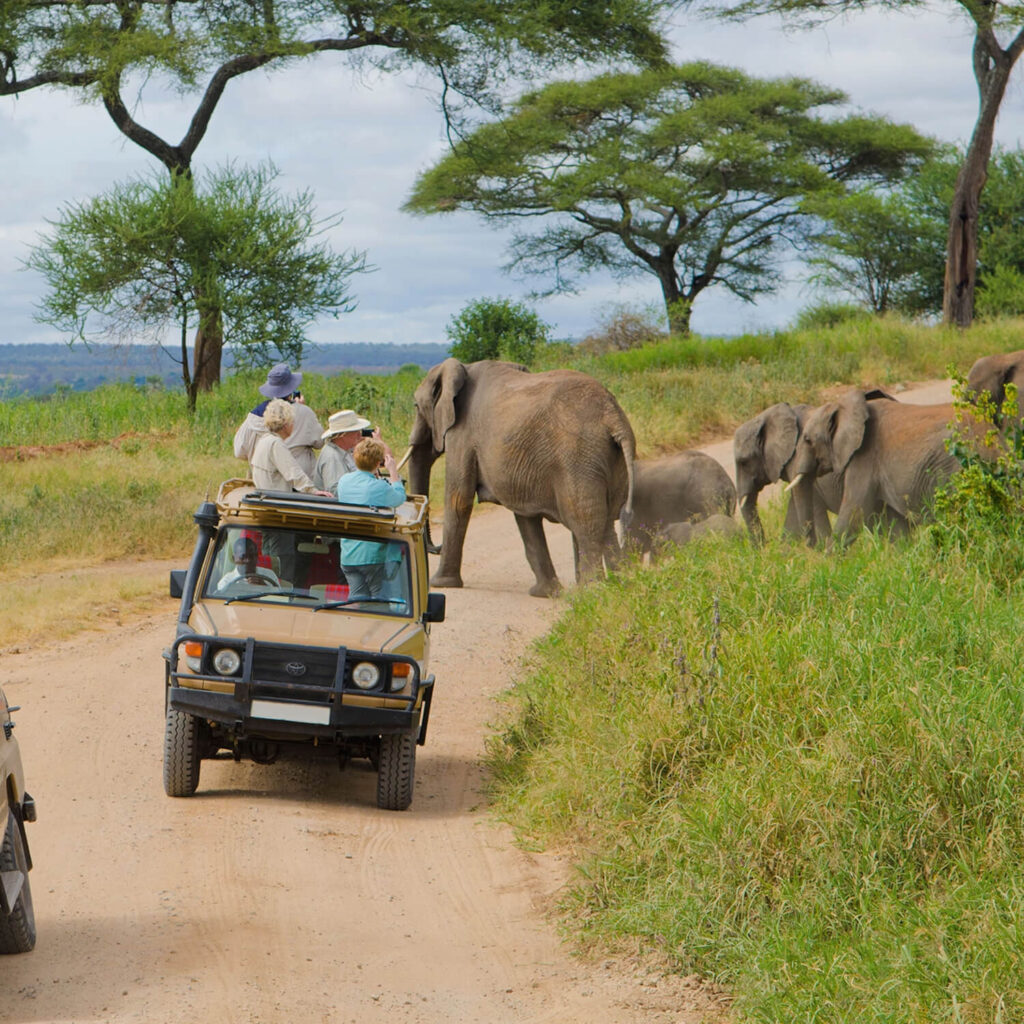
Game drives in Ruaha are immersive and exploratory, often covering long distances through varied terrain. Drives focus on riverbanks, plains, and woodland edges where wildlife activity is highest.
The park’s low visitor density allows guides to track wildlife without interference, creating meaningful and uninterrupted encounters.
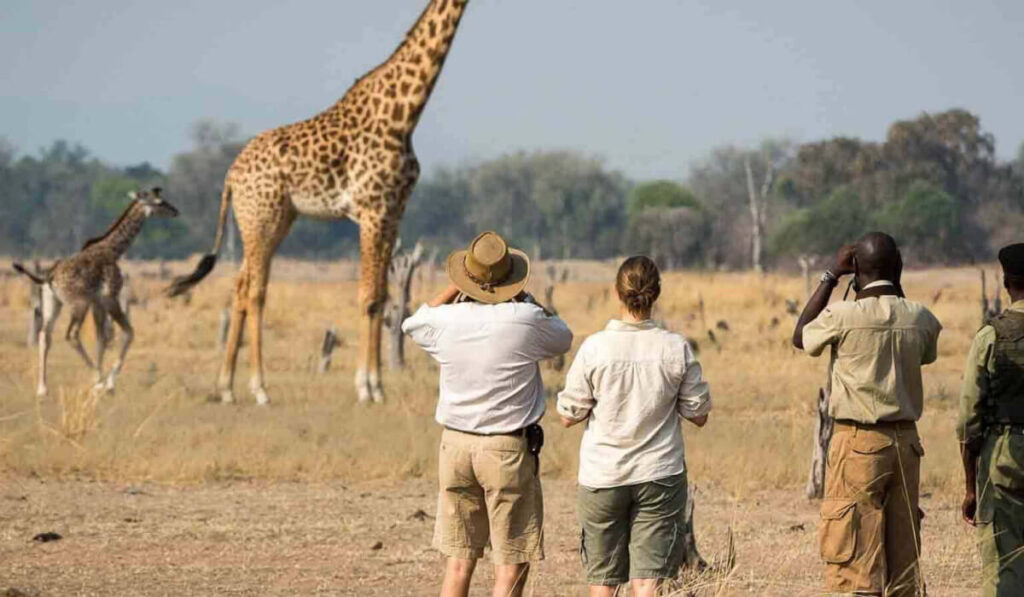
Ruaha is one of Tanzania’s premier destinations for walking safaris. Accompanied by armed rangers and expert guides, guests explore the bush on foot, learning about tracks, plants, insects, and animal behavior.
Walking safaris offer a deeper connection to the landscape and are particularly rewarding in Ruaha’s diverse habitats.
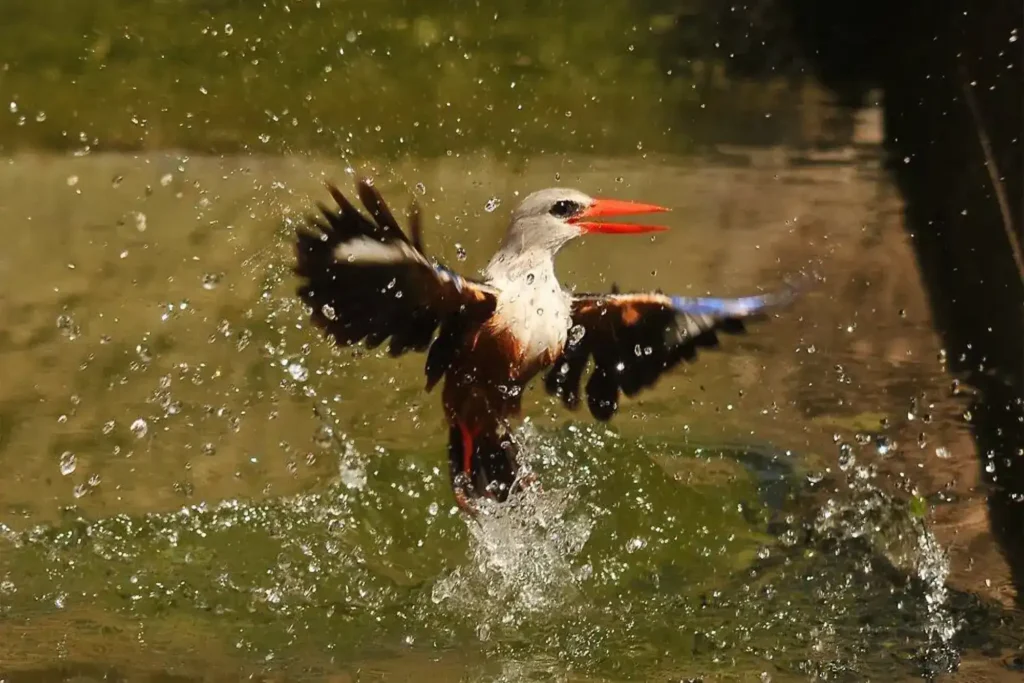
Ruaha is an exceptional birding destination, supporting a wide range of resident and migratory species. The combination of riverine forests, open plains, and woodland habitats attracts a diverse bird population throughout the year.
Accommodation in Ruaha National Park
Luxury Accommodation
Jongomero Camp
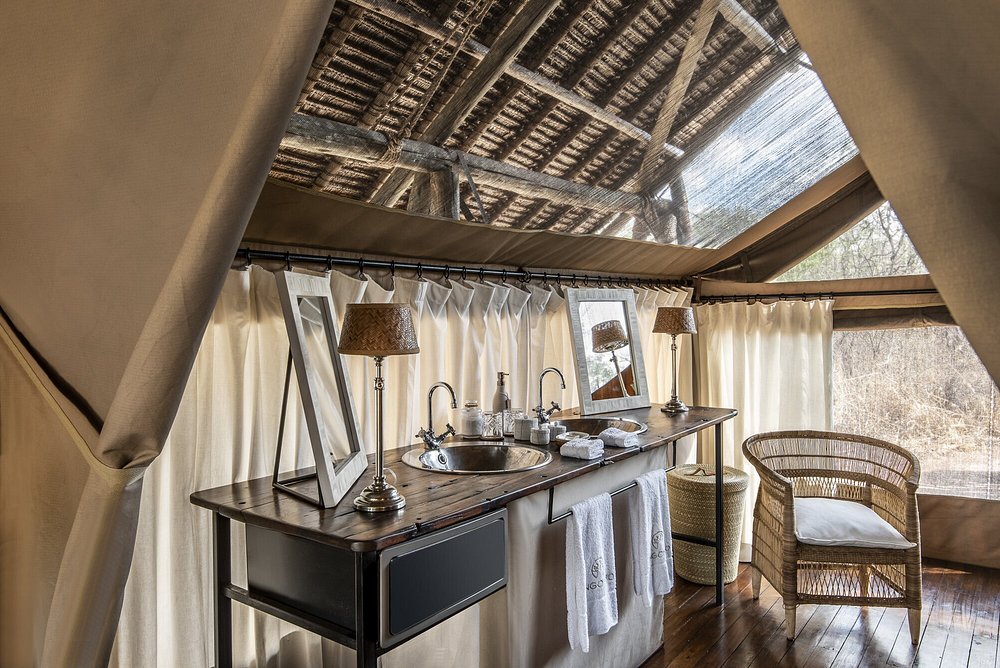
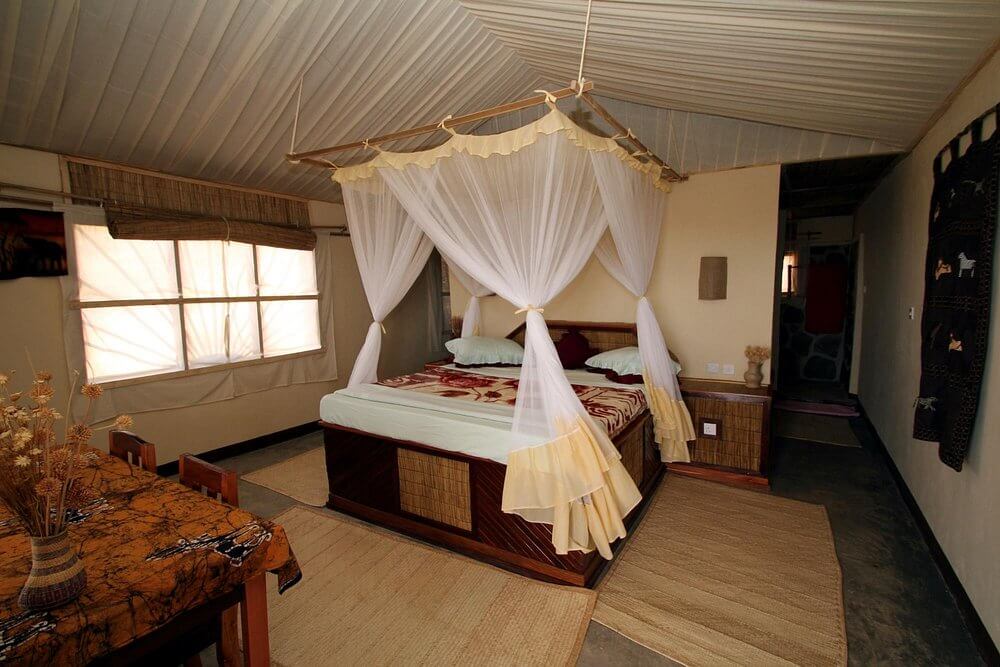
Jongomero Camp is set in a remote and rarely visited area of Ruaha National Park, offering an exceptional sense of isolation and wilderness. The camp features spacious luxury tents with en-suite facilities, positioned to blend seamlessly into the surrounding landscape. Personalized service, attentive guiding, and minimal visitor traffic create a refined yet deeply authentic safari experience ideal for travelers seeking exclusivity.
Kwihala Camp
Kwihala Camp offers a minimalist luxury safari experience that emphasizes design, privacy, and exceptional guiding. Set within open woodland, the camp’s tented accommodation combines clean architectural lines with natural materials, creating a modern safari aesthetic. Kwihala is particularly well known for walking safaris and predator tracking, making it ideal for experienced safari enthusiasts.
Kigelia Ruaha
Kigelia Ruaha is an elegant tented camp located along a seasonal river, where wildlife frequently passes through. The camp provides a warm and intimate atmosphere, with well-designed tents, attentive service, and a strong focus on quality guiding. Its location offers excellent access to both riverine and open plains wildlife.
Mid-Range and Safari Camps
Ruaha River Lodge
Ruaha River Lodge is one of the park’s most established properties, situated along the Great Ruaha River. Accommodation ranges from stone cottages to bandas overlooking the river, where elephants and other wildlife are regularly seen. The lodge offers a classic safari atmosphere with reliable comfort and strong wildlife access.
Mdonya Old River Camp
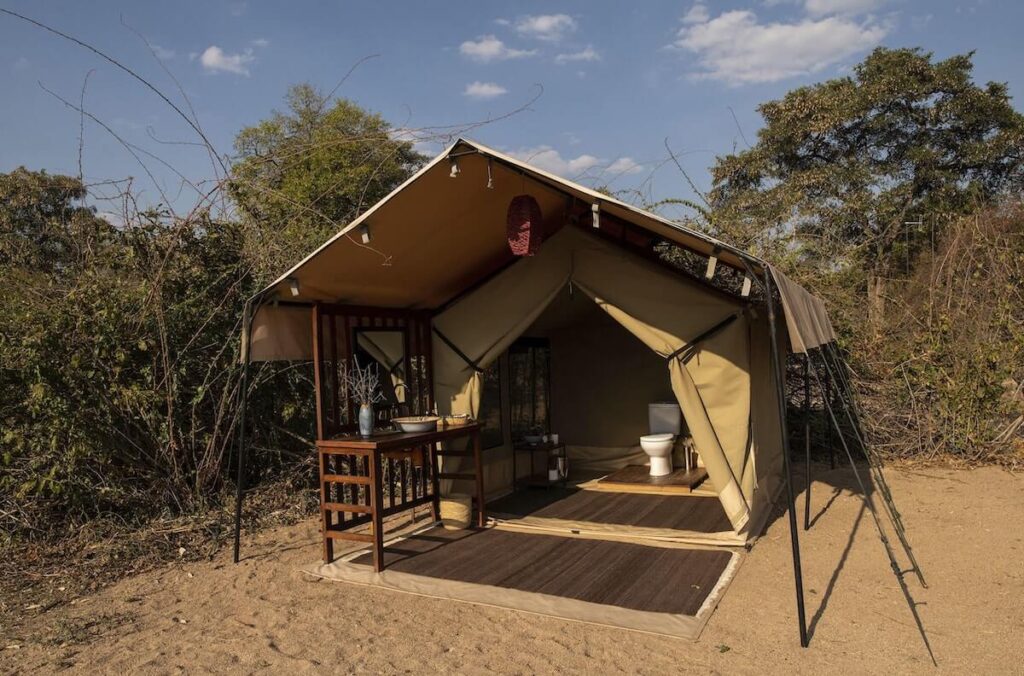
Mdonya Old River Camp is a traditional tented safari camp set in a remote area near a dry river system. The camp focuses on authenticity and immersion, offering simple yet comfortable tents and an emphasis on wildlife experience rather than luxury. It is particularly suited to travelers who value guiding quality and a genuine bush atmosphere.
Budget Accommodation in Ruaha National Park
Ruaha Hilltop Lodge
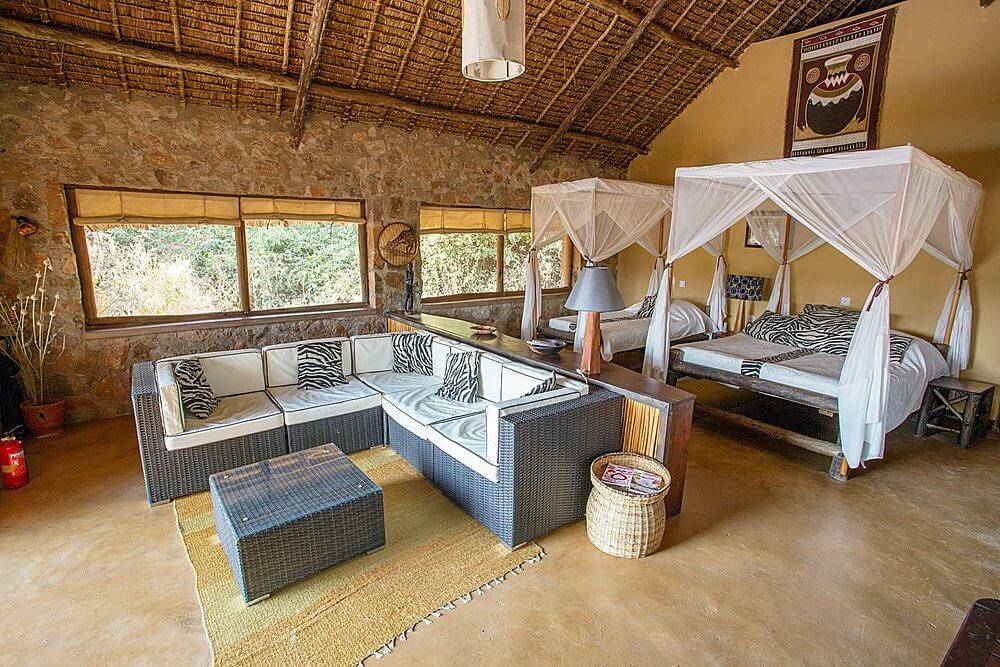
Ruaha Hilltop Lodge provides budget-friendly accommodation located outside the park boundary, offering practical comfort and easy access to safari activities. The lodge features simple rooms, open communal areas, and scenic views, making it suitable for travelers seeking affordability without sacrificing proximity to Ruaha.
Tandala Camp
Tandala Camp offers basic tented accommodation designed for adventurous travelers. The camp provides an immersive bush experience with essential facilities and guided safari activities, appealing to those who prioritize time in the wilderness over luxury amenities.
Why Choose Jas Safari for Ruaha National Park
Jas Safari brings deep regional knowledge and proven expertise to Ruaha National Park safaris. Our guides are highly skilled in tracking predators, interpreting animal behavior, and navigating Ruaha’s complex landscapes across different seasons.
We design personalized itineraries that balance exploration, comfort, and safety, allowing guests to experience Ruaha at the right pace. Responsible tourism, conservation awareness, and respect for wildlife are central to every safari we operate.
Safari Packing List for Ruaha National Park
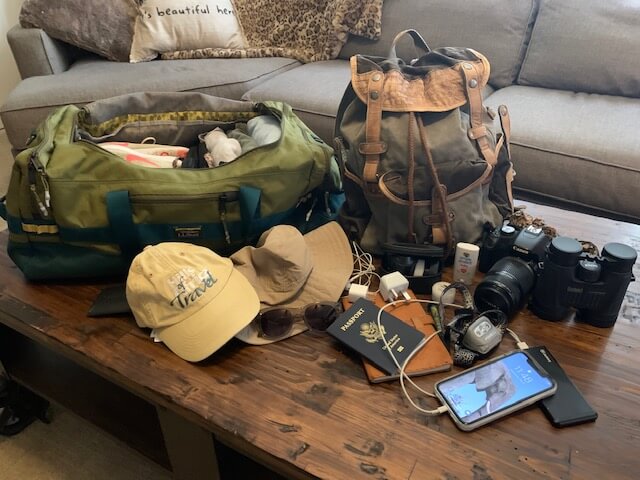
Packing for Ruaha National Park should focus on durability, comfort, and adaptability. Lightweight clothing in neutral colors is recommended for daytime game drives, while long sleeves and light jackets are useful for early mornings and evenings.
Sturdy walking shoes are essential for walking safaris, and a small daypack is useful for carrying water, cameras, and personal items. Binoculars, cameras with sufficient storage, sun protection, insect repellent, and personal medications should be included. All travel documents should be kept easily accessible.
Weather and Climate
Ruaha National Park experiences warm temperatures throughout the year, with noticeable variation between dry and green seasons. Rainfall influences vegetation growth and wildlife distribution, particularly around the Great Ruaha River and seasonal water sources.
Dry periods offer concentrated wildlife viewing and improved road access, while greener months bring lush scenery, active breeding behavior, and abundant birdlife. Each season presents distinct advantages depending on travel interests.
Ruaha National Park Zones and Habitats
Ruaha National Park is defined by a mosaic of dry river systems, ancient baobab-dotted plains, and expansive woodlands. The park can be broadly divided into riverine corridors, open savannah, miombo woodland, and rocky escarpments. Each habitat plays a vital role in sustaining Ruaha’s remarkable biodiversity.
The Great Ruaha River forms the ecological backbone of the park, attracting large concentrations of elephants, buffaloes, and predators during the dry season.
The open plains and baobab landscapes provide grazing grounds for antelope species and create ideal hunting territory for lions and cheetahs.
Ruaha National Park Safari Experience
Ruaha National Park delivers one of Tanzania’s most powerful and authentic safari experiences. Its immense scale, strong predator presence, and dramatic landscapes create a safari that feels exploratory, immersive, and deeply connected to nature.
With Jas Safari, Ruaha becomes a carefully guided journey into one of Africa’s last great wilderness areas, shaped by expertise, patience, and genuine respect for the land.
Plan Your Ruaha Safari with Jas Safari
A safari in Ruaha National Park offers a remote and immersive wildlife experience shaped by vast landscapes and seasonal rhythms. Known for its large elephant herds, predator populations, and baobab-dotted plains, Ruaha delivers a raw and authentic southern Tanzania safari.
Other Southern Related Destinations
Mikumi National Park
Nyerere National Park